
In brief
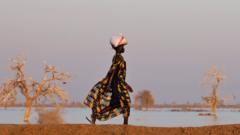
Residents of Unity State in South Sudan face a dire situation as they are "dying of thirst," forced to drink contaminated water from local ponds filled with chemicals from nearby oil fields. The ongoing flooding—intensified by climate change—has transformed the area, making access to clean water a monumental challenge. Local herders voice their concerns about the detrimental health impacts, particularly on livestock and children, as diseases and deformities rise. The environmental disaster is compounded by a government tethered to oil revenues, resulting in inadequate focus on environmental protection. Despite years of advocacy from concerned locals and pro-environment politicians, solutions remain elusive.
As former oil engineer David Bojo Leju highlights, pollution from oil spills and inadequately treated waste threatens not only the human population but also the region's agricultural viability. With the water table contaminated, farmers like Nyeda struggle to find safe drinking water for their families amidst the ongoing floods. The lack of systematic data on health impacts raises alarms among health professionals who suspect a correlation between oil pollution and increasing congenital abnormalities. With the region's future unsure and the toll of pollution growing, residents continue to hope for a return to stability and self-sufficiency while bearing the scars of environmental neglect.With the issues persisting, the South Sudanese government has commissioned an environmental audit, but results remain pending. Amidst these struggles, local communities remain resilient, dreaming of a return to agriculture and animal husbandry. The concerns of water safety, health implications, and environmental accountability urge a reconsideration of priorities in the world's youngest country.

