In brief
Amid the ongoing Israeli-Palestinian conflict, pregnancy and childbirth in Gaza have transformed into perilous experiences filled with anxiety and danger. With medical resources scarce and malnutrition rampant, expectant mothers like Malak Brees describe a world where they can only rely on faith for their children's survival. The medical community faces overwhelming challenges, reflecting a grim reality where newborns are discharged too early and maternal care is drastically lacking. The tragic stories of loss and desperation resonate throughout a population grappling with the dual threats of war and health neglect.
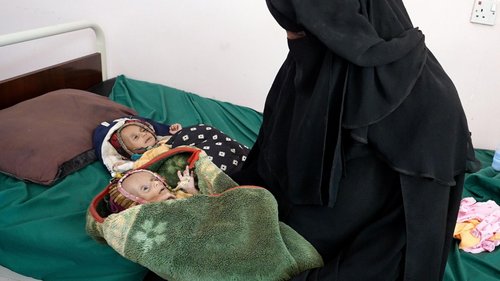
Article text: In the midst of a devastating conflict, the experience of pregnancy and childbirth in Gaza has become fraught with danger and distress. With the ongoing war exacerbating conditions, newborns and pregnant women are among the most vulnerable. The United Nations reports a staggering rise in cases of underweight and premature babies, with one in ten newborns affected. Miscarriages and congenital disabilities are also on the rise, creating an alarming healthcare crisis.Malak Brees, a seven-month pregnant woman, expresses her fears of premature birth amid the Israeli bombings and evacuation orders that threaten her survival and that of her child. After losing a significant amount of amniotic fluid, Malak was warned by doctors about the dire implications of malnutrition and the risk to her unborn baby. "It's in the hands of God," she reflects, indicating the dire state of healthcare available to expectant mothers.The situation has only worsened since Israel's total blockade on Gaza began in March, restricting access to essential medical supplies and placing immense pressure on the few hospitals left standing. Women lucky enough to reach these hospitals often find themselves discharged just hours after giving birth. As highlighted by emergency and pediatric nurse Sandra Adler Killen, many mothers struggle to obtain proper postnatal care for both themselves and their babies, particularly those who require neonatal intensive care.Nasser hospital has been severely impacted since an Israeli strike incapacitated the nearby European hospital, leaving it overwhelmed with patients. Doctor Ahmad al-Farra notes the psychological burden on mothers who fear for their children's health due to insufficient prenatal care. The primary concerns revolve around the nutrition lapses affecting both mother and child, coupled with the lack of breastfeeding support and baby formula, leading to malnourished infants.Aya al-Skafi's heartbreaking tale exemplifies the dire circumstances—her daughter Jenan succumbed to malnutrition and dehydration after the family struggled to secure basic nutritional needs. "I begged for help, but only God answered," she recalls, resonating the despair faced by many.Despite the challenges, efforts are being made to provide some comfort; organizations are training local health workers to support breastfeeding under dire conditions. However, the underlying trauma from lost family members and the violence surrounding childbirth remains a constant burden for women—a narrative told time and again by healthcare workers like Sandra.In a heartbreaking narrative, the case of Jomana Arafa underscores the broader tragedy; her joy of having twins turned to absolute despair just days later as an airstrike claimed their lives.For the expectant mothers of Gaza, the anticipation of new life has transformed into a battle for survival. Pregnancy once filled with hope is now a haunting reminder of the precarious realities they endure amidst war.