
In brief
This year's elections in sub-Saharan Africa reveal a stark trend: governing parties, such as Namibia's Swapo, are losing ground amidst rising public discontent over economic issues and corruption. A record number of opposition victories signals a demand for democratic resilience in the region.
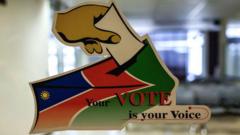
The political landscape in sub-Saharan Africa is undergoing a remarkable transformation as incumbent parties face unprecedented challenges at the polls. Namibia's ruling party, Swapo, has maintained its position after over three decades, with Netumbo Nandi-Ndaitwah winning the presidency with 57% of the vote as the country’s first female leader. However, opposition parties vehemently question the integrity of these results, citing logistical issues and irregularities during the election.Across the continent, overwhelming voter dissatisfaction has emerged as a common theme in several elections this year. In many instances, governments that once appeared secure have suffered significant losses, indicating a shift in the political tides. Botswana's Democratic Party, which had been in control since 1966, experienced staggering defeats in October elections, plunging from 38 to just four seats in parliament. Similarly, in Mauritius, the ruling Alliance Lepep coalition was reduced to a mere two seats, overwhelmed by the opposition Alliance du Changement.Senegal also witnessed a historic moment when the main opposition leader, Bassirou Diomaye Faye, triumphed in the presidential election after enduring imprisonment amid governmental attempts to suppress competition. The populace erupted in celebration following his victory, highlighting the public's desire for reform.Even governments that retained their positions, like South Africa’s African National Congress (ANC), faced drastic consequences and were compelled to form coalition governments after grappling with electoral downturns. These scenarios reflect a significant shift in a region characterized by long-standing authoritative control.Multiple factors underpin this trend, including economic struggles, rampant corruption, and increasing demands for accountable governance. As high living costs strain citizens, frustration towards incumbents grows, prompting unfavorable electoral outcomes. The rising unrest has fueled protests in countries such as Kenya, where dissatisfied citizens took to the streets against high taxes and inflation.Despite this emerging phenomenon, the situation in Africa is part of a larger global narrative, where leaders are also facing backlash over economic performance. The response from opposition parties within Africa indicates a strategic evolution, with collaborative efforts to ensure election integrity and strengthen voter support.Looking ahead, the upcoming elections in Ghana and Malawi may reveal further changes, as African nations strive towards an active democratic environment. The surge of opposition victories throughout 2024 highlights an unexpected resilience in African democracy, challenging the assumption that authoritarian regimes are unassailable and showcasing a community that demands accountability and progress.

