
In brief
The upcoming NATO summit may redefine transatlantic relations as Europe grapples with security commitments and US expectations.
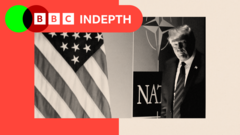
As the global spotlight pivots towards NATO, US President Donald Trump is poised to attend his first summit since securing re-election, taking place in the Netherlands amidst escalating tensions following the US's recent military actions against Iran's nuclear sites. European allies are bracing for a diplomatic showdown, eager to demonstrate their commitment to security against Trump's past criticisms alleging that they have not contributed their fair share towards defense. There's an urgency to convince him to maintain US troop presence in Europe, especially as relations have soured over trade tariffs in recent months. NATO Secretary General Mark Rutte has designed the summit with Trump’s preferences in mind, pushing for increased defense spending—specifically, a controversial target demanding a massive 5% of GDP from member nations. Some diplomats express concern about the potential for clashes, especially if discussions veer towards the Middle East, with the risk of disagreement over the US's military approach towards Iran.There remains skepticism about whether the summit will conclude with a unified stance designating Russia as NATO’s primary threat. Trust in US defense commitments has eroded under Trump’s conciliatory rhetoric towards Moscow, creating tension within the alliance. Former NATO ambassador Julianne Smith acknowledges that while NATO leaders must adapt, the unpredictability of Trump's directives complicates their efforts.Trump's ambiguous position on European military capabilities has sparked apprehensions about the future of US support. Although the US maintains a significant military presence in Europe—housing about 100,000 troops—the ongoing strategic pivot towards Asia adds pressure on European countries to assume greater responsibility for their defense.Amidst these pressures, Poland emerges as an example of heightened defense commitment, spending nearly 5% of its GDP, while Spain's resistance to the spending target reflects division within the alliance. The forthcoming summit may push countries to rethink military cooperation, as NATO seeks to synchronize their defense strategies, although certain nations will resist substantial increases in spending due to pre-existing economic pressures.How this summit will resolve the fundamental issues of funding and collective security remains uncertain and will heavily depend on Trump's responses to European leaders. With growing threats from Russia, European allies recognize the urgency of enhancing their defense spending and capabilities. Observers label this NATO summit as potentially the most consequential since the Cold War, signaling a pivotal moment for Europe to redefine its role in global security alongside the United States. The outcomes of this high-stakes meeting could set the tone for transatlantic relations and NATO's future efficacy in addressing contemporary threats.
