In brief
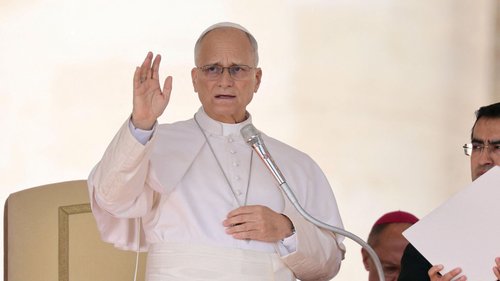
Pope Leo XIV, previously known as Bishop Robert Prevost, faces scrutiny over his dual role in handling sexual abuse cases. While he earned praise for advocating justice for victims of a cultlike movement in Peru, he has also been critiqued for inadequately addressing claims of abuse against children by priests in his diocese. His actions, as Pope, will be closely examined given the divided opinions on his legacy.
Pope Leo XIV, formerly Bishop Robert Prevost, now faces a complex legacy regarding sexual abuse within the Catholic Church. In one instance, he is hailed as a hero for confronting abuses tied to a controversial Catholic group in Peru, Sodalitium Christianae Vitae. Prevost acted decisively, organizing discussions between victims and church officials, facilitating psychological support, and securing financial compensation for victims, earning respect and admiration in the community.However, contrasting narratives arise when examining his handling of sexual abuse allegations against priests within his own diocese. Accusations surfaced that he failed to adequately investigate claims made by three women who alleged they were sexually abused by local priests during their childhood. This has led to calls for greater accountability, with some survivors feeling let down by the bishop's inaction. As he takes the helm of the Catholic Church, representing over 1.4 billion members worldwide, the responses to these conflicting accounts will shape perceptions of his leadership. His actions against the Sodalitium group, which faced significant backlash within the church, stand in stark contrast to the criticism he faces regarding the more personal misconduct occurring in his diocese. This dichotomy raises important questions about leadership, responsibility, and the intricate dynamics of the church’s response to abuse—elements that will undoubtedly be under intense scrutiny as Pope Leo XIV embarks on his papacy.