
In brief
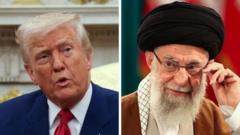
Nuclear talks between Iran and the US, facilitated by Oman, have been postponed due to logistical issues, amidst escalating sanctions from the US and threats from President Trump. Iran insists on a peaceful program, while the US intensifies pressure.
The fourth round of negotiations concerning Iran's nuclear program between the US and Iran has been postponed, according to sources. The postponement was jointly concluded on logistical grounds in collaboration with Oman's role as facilitator. Alongside this, the US government indicated the meeting's timeline had not yet been firmly established.This delay follows a series of recent sanctions imposed by the US on Iranian oil and petrochemical commodities, aimed at entities linked to Iran, with President Trump emphasizing a hard stance. He reiterated that any nation or company engaging with Iran's oil will face immediate sanctions, reflecting ongoing tensions since the US withdrew from the prior nuclear agreement in 2018.Iran's Foreign Minister, Seyed Abbas Araghchi, remains committed to achieving a "just" agreement that focuses on lifting sanctions and maintaining a peaceful nuclear agenda. Previous conversations in Muscat were deemed constructive by both parties, despite suspicions over the negotiations' efficacy, particularly fueled by the US's contradictory strategies and the recent sanctions.The US continues to cite Iran's actions, including its involvement in regional conflicts, as justification for stringent sanctions. A US spokesperson noted that while Saturday's meeting was unconfirmed, discussions would continue in the near future, asserting a desire to prevent conflict.Despite a climate of skepticism surrounding potential outcomes, both nations appear to favor diplomatic solutions to avert escalation. Iran has consistently described the recent sanctions as contradictory and indicative of a lack of sincerity from US officials.Complicating these negotiations are international reports indicating rising concerns over Iran's regional activities, particularly its support for groups like Yemen's Houthis. Reports from the US defense sector have underscored warnings that Iran could face severe consequences for such actions.As this dialogue unfolds, the broader implications for Iran's nuclear ambitions and regional security dynamics remain uncertain. There is ongoing debate within the US administration regarding whether to push for total nuclear dismantlement or a compromise that maintains aspects of Iran's nuclear capabilities while easing sanctions.Iran, contending that its nuclear endeavors are entirely peaceful, continues to seek relief from one of the most extensive sanction regimes globally in exchange for limiting its nuclear program. As the discussions resume, the focus will likely remain on balancing diplomatic resolutions with national security concerns in the volatile Middle East.

