In brief
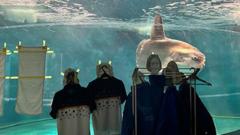
The Kaikyokan aquarium in Japan has resorted to using cardboard cutouts of human faces to address a sunfish's loneliness during renovation closures. After the aquarium temporarily shut down, the sunfish exhibited signs of distress, prompting staff to reassess its well-being. Following the introduction of these unorthodox companions, the sunfish showed remarkable improvement, delighting both staff and social media users eager to support the aquatic creature.
The unorthodox measures taken by the Kaikyokan aquarium in Shimonoseki, Yamaguchi prefecture, represents an innovative response to a heartwarming issue. A sociable sunfish, feeling the absence of its human visitors during the aquarium's temporary renovation from December, was visually comforted by cardboard cutouts of human faces attached to uniforms. The aquarium posted a photo on social media revealing the sunfish positively interacting with its new cardboard friends. As staff members observed troubling signs in the fish's behavior, including refusal to eat jellyfish and excessive rubbing against the tank, they considered various causes ranging from parasites to digestive issues. Eventually, a staff member postulated that the sunfish was suffering from loneliness due to the lack of human interaction.In a heartening twist, the introduction of the cardboard cutouts appears to have worked wonders. The aquarium announced on social media that the sunfish was back to good health. Measuring 80cm long and weighing roughly 30kg, this sunfish had developed a playful nature, typically swimming toward visitors who approached the tank. After the cardboard companions were added to its habitat, the sunfish was observed "waving its fins" and displaying a more cheerful demeanor, leading to a wave of support across social media platforms. Fans of the aquarium shared nostalgic photos and pledged to visit the sunfish upon the reopening.This creative approach is not unique to Kaikyokan; during the pandemic, other Japanese aquariums also sought innovative ways to engage and support their animals, such as organizing video call events for eels feeling the absence of visitors. In a bid to ensure healthy and stimulating environments for their aquatic charges, these institutions continue to explore new strategies for animal welfare.