In brief
A sharp fall in stock markets across the globe has sent alarm bells ringing for investors, with U.S. President Trump's comments stirring fears about the economy's stability.
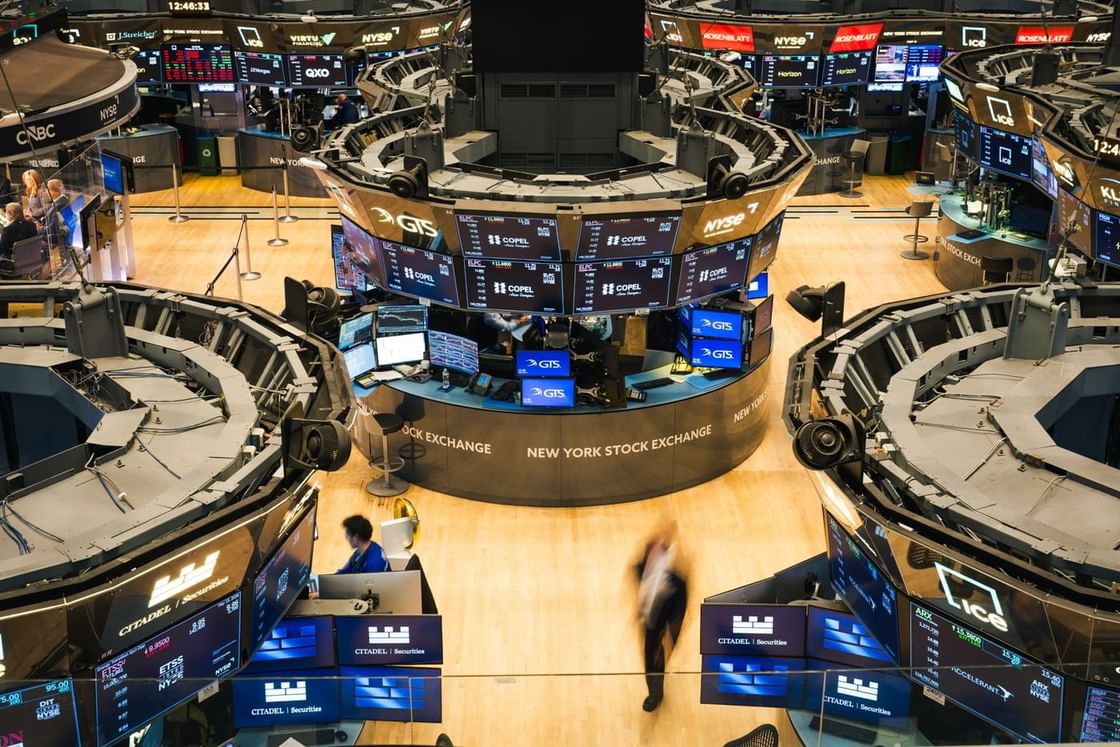
Stock markets around the globe experienced significant declines yesterday, following comments made by President Trump hinting at potential repercussions from his trade policies, including a looming recession. The S&P 500 index recorded its largest daily drop in months, plummeting by 2.7%. The downturn was exacerbated by new retaliatory tariffs that became effective against the U.S. The sell-off, which began after a televised interview on Sunday, saw Trump characterizing the current U.S. economy as undergoing "a period of transition" and suggesting that further tariffs might be on the horizon. This news sent tremors through technology sectors, leading to substantial losses for major firms whose market performance greatly impacts overall indices. In the aftermath, Asian markets mirrored the downturn as investors reacted to the ongoing instability. According to a report from JPMorgan Chase, there is now an estimated 40% chance of a global recession occurring this year, attributed primarily to the erratic nature of U.S. trade policies. Market expert David Bahnsen emphasized that the volatility observed isn't solely driven by the negative implications of tariffs, but rather the uncertainties surrounding them. He explained that investor concern stems from questions regarding policy direction, duration, and ultimate outcomes. In a memo from the White House, Trump chose to abstain from making predictions about the possibility of a recession this year, asserting, “I hate to predict things like that,” while maintaining that significant changes are underway. On other fronts, the recently appointed U.S. energy secretary promised a dramatic shift in climate policies, which has received support from the oil and gas industry. Meanwhile, Trump's remarks about a significant U.S. semiconductor initiative have caused unease among political and business leaders in Washington. As Trump's second term unfolds, his approach appears to be one of diplomacy within Republican ranks, albeit with an underlying threat that could disrupt party unity.