In brief
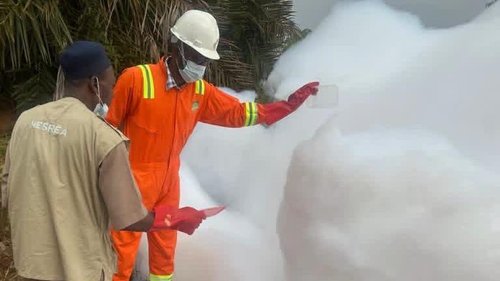
Over recent months, unique white blobs have washed up on Newfoundland's beaches, prompting investigation by both a local chemist and Canada's environmental agency. The chemist, Chris Kozak, suggests these substances contain petrochemical elements but do not originate from natural sources.
A chemist at Memorial University of Newfoundland has reportedly discovered the identity of the unusual blobs that have been appearing on the province's beaches since September. These blobs, characterized by their spongy interiors and sticky textures, have been found scattered across Placentia Bay, prompting investigations from local residents and environmental authorities.Chris Kozak, the researcher behind the findings, asserts that he can identify the substance "with high confidence." According to reports, these blobs exhibit a petrochemical odor reminiscent of turpentine, which initially led Kozak to speculate that they could be polyurethane, a material commonly employed in the fishing industry for boat insulation. However, upon testing, it was evident that the blobs sank in water, which contradicted the characteristics of polyurethane.Chemical analysis conducted by Kozak's team revealed the blobs are composed of carbon, hydrogen, and oxygen but notably lack nitrogen and sulfur. This absence points to a synthetic source rather than one found in nature. Additionally, the lack of silicon eliminates the possibility that these blobs are products like silicone latex or caulking.While Kozak's findings shed some light on the mystery, Canada's environmental agency continues its investigation without having released any definitive conclusions. The unusual phenomenon has sparked interest and concern among local communities, raising questions about the environmental impact and origins of these peculiar substances.