
In brief
The UN has accused Bangladesh's past government of a systematic and deadly crackdown on protesters that left up to 1,400 dead, marking a grim period in the nation’s history. The report highlights severe human rights violations, including targeted killings and torture, and suggests that these actions could amount to crimes against humanity.
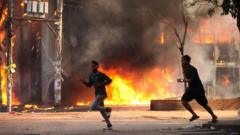
Former Bangladesh Prime Minister Sheikh Hasina's government is under scrutiny for employing extreme violence against protesters, which the UN has termed potentially constituting "crimes against humanity." A recent investigation by UN human rights experts revealed that the brutal crackdown on opposition protests last year resulted in approximately 1,400 fatalities, predominantly at the hands of security forces. The UN's inquiry found evidence of a deliberate policy orchestrated by political and high-ranking security officials aimed at violently repressing dissent. This response followed mass protests ignited by student-led demonstrations targeting civil service job quotas. Demonstrations escalated in intensity after a tragic police crackdown, leading to widespread calls for Hasina's resignation, compounded by her hasty escape to India via helicopter as unrest grew.In a news conference in Geneva, UN human rights chief Volker Türk laid bare the findings, indicating that members of the prior administration, including Sheikh Hasina, were complicit in "serious human rights violations." The report contains harrowing accounts documenting direct violence against protesters, including point-blank shootings and instances of torture, with reports indicating that children constituted about 13% of the casualties.Türk described the state's maneuvers as a "calculated and well-coordinated strategy" fundamentally bent on maintaining power amid widespread opposition. There were significant allegations of extrajudicial killings, arbitrary arrests, and systematic torture, all purportedly executed with high-level authorization.The total death toll cited by the UN notably surpasses the 834 fatalities reported by current government authorities. The investigation, ordered by Bangladesh's interim leader Muhammad Yunus, involved over 230 interviews with survivors and witnesses, revealing disturbing insights into the actions of the former regime.Additionally, the report stressed the necessity of investigation into retaliatory violence against perceived government supporters and specific ethnic and religious groups throughout the unrest, as the ramifications of last year's chaos continue to resonate within Bangladeshi society.
