In brief
As President Trump's tariffs take effect, China tightly controls public discourse, focusing on boosting morale over trade war challenges.
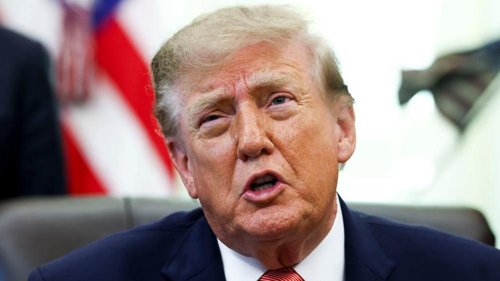
China has tightened its grip on social media discussions surrounding the newly implemented tariffs announced by President Trump, which impose a staggering 104 percent tax on Chinese imports. Reports indicate that while censors actively suppressed conversations directly referencing this tariff rate, they encouraged narratives that criticized the United States or celebrated China’s resilience.Popular Chinese social platform Weibo witnessed the removal of various hashtags including “104 tariff rate” and “America to impose 104 percent tariff on Chinese goods,” which returned error messages indicating restricted content. However, hashtags that mocked the U.S. and underscored China's strengths, like “America is fighting a trade war while begging for eggs,” were not only permitted to trend but were also initiated by state media such as CCTV.Government-controlled media took a confrontational stance, with several articles in the People’s Daily, the official mouthpiece of the Communist Party, casting the tariffs as an opportunity for China to fortify its economy. Phrases in their opinion pieces mentioned that the Chinese populace is genetically inclined to face challenges and view external pressures as opportunities for growth.Prominent influencers on Weibo joined the discourse, asserting that this trade war signifies America's fall from grace and that China should assert its power. The strategic censorship highlights a coordinated effort by the Chinese government to shape public perception and maintain national pride amidst growing trade tensions with the United States.