In brief
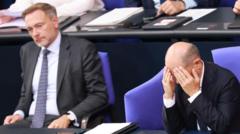
Germany's political landscape has been shaken following Chancellor Olaf Scholz's firing of Finance Minister Christian Lindner, resulting in the breakdown of the governing coalition. Scholz, who heads the Social Democrats, expressed a fundamental loss of trust in Lindner, citing a betrayal of responsibilities as the coalition now lacks parliamentary majority. The upcoming vote of confidence scheduled for January could initiate early elections, raising concerns about the stability of Europe's largest economy amidst ongoing challenges stemming from geopolitical tensions and economic stagnation.
The coalition, which includes Scholz's Social Democrats, the Greens, and Lindner's liberal FDP party, has faced increasing strife in recent weeks. This controversy highlights the diverging priorities among coalition partners, particularly after the economic strains inflicted by the war in Ukraine and the rising costs of energy and displaced populations. As Scholz pushes for increased spending to revitalize the economy and address defense needs, Lindner argues for significant cuts to welfare in favor of tax reductions. Despite the turmoil, the Green Party has vowed to stay in government, while the fate of the coalition rests on the upcoming parliamentary vote.