The past 24 hours marked a volatile chapter in the ongoing conflict that has gripped the Middle East, culminating in a remarkable turn towards a ceasefire between Iran and Israel. This series of events began on Monday, intensifying days after Israel's attacks on Iranian military assets and US airstrikes on Tehran's nuclear facilities.
The first sign of danger emerged in Qatar, where the US government advised its citizens to "shelter in place," suggesting a credible threat due to Iranian military retaliation. Iran had vowed to respond following the US's targeted strikes on their nuclear sites, including the crucial Fordo enrichment facility. As Supreme Leader Ayatollah Ali Khamenei reportedly sought to hit back at the United States, fears grew that a direct confrontation could spread the conflict regionally.
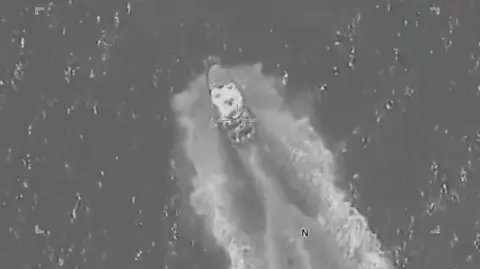
Moments later, the airspace above Qatar was closed, and explosions resounded near the al-Udeid US military base, a strategic hub for US operations in the region. Iranian state media confirmed the attack on the US base, though casualties were avoided thanks to preemptive evacuations and successful intercepts by air defenses. The attack by Iran seemed designed to project strength while avoiding escalation into an outright war, allowing both nations to navigate a precarious conflict.
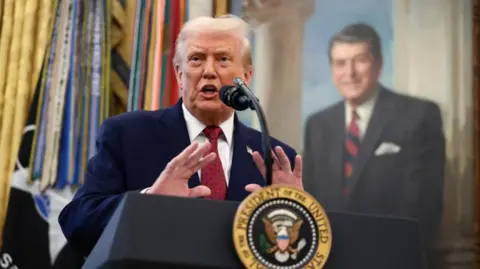
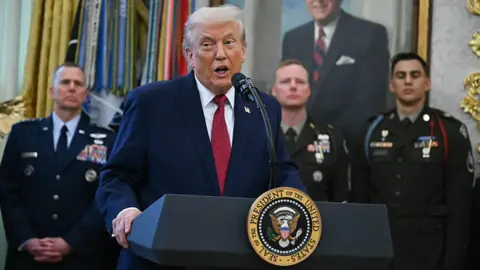
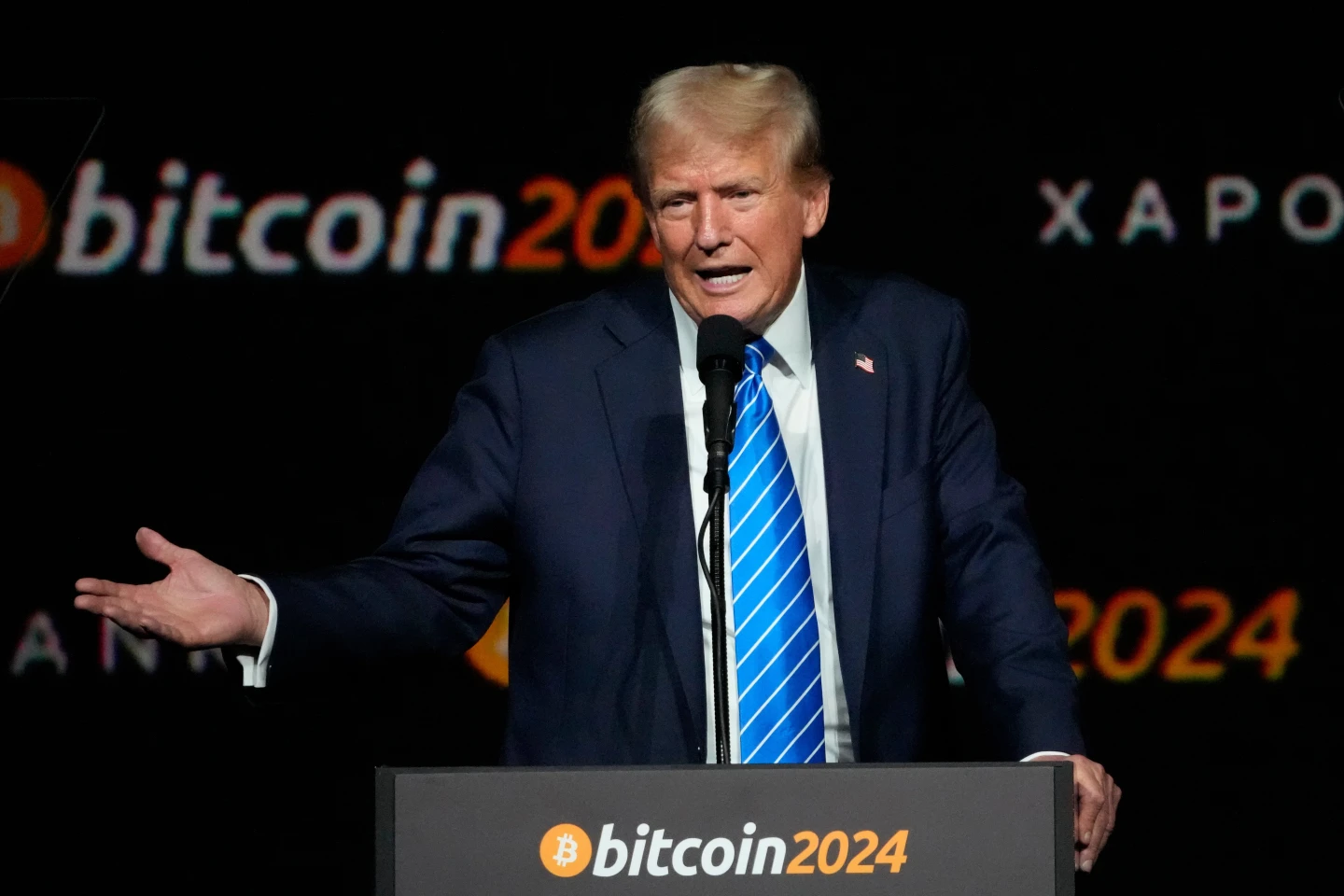
By the afternoon, as chaos unfolded, President Trump made an unexpected shift in tone. He acknowledged Iran's missile attack as "weak" but proceeded to offer a peace overture, suggesting now was the time for harmony between the nations. This abrupt pivot was followed by behind-the-scenes talks among US officials, Israeli leaders, and Iranian representatives, aiming to quell the fighting.
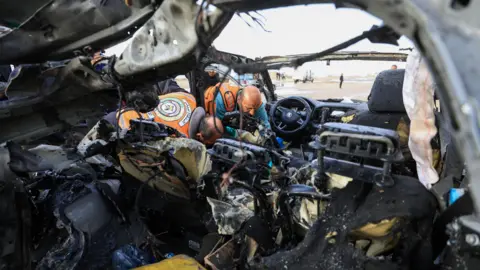
As reports of progress trickled in, Trump announced a full ceasefire, branding the recent exchanges as "the 12 Day War." However, the ceasefire faced immediate strain as missile alert sirens blared across Israel, indicating new Iranian missile waves on the way. As casualties mounted, including civilian deaths from direct strikes in Beersheba, tensions flared anew.
With perils still looming, Trump urged restraint via social media, instructing both Iran and Israel to adhere to the ceasefire—a message complicated by firmer military actions from Israel. Simultaneously, the president expressed frustration with both nations for perpetuating the cycle of retaliation.
By the following morning, as Trump continued to engage in tense discussions with Netanyahu and Iranian officials, the prospect of a lasting ceasefire remained uncertain. The unfolding events underscored the fragile nature of peace in a region defined by historical tensions and reliance on diplomatic channels to navigate the complexities of conflict and ceasefire negotiations.