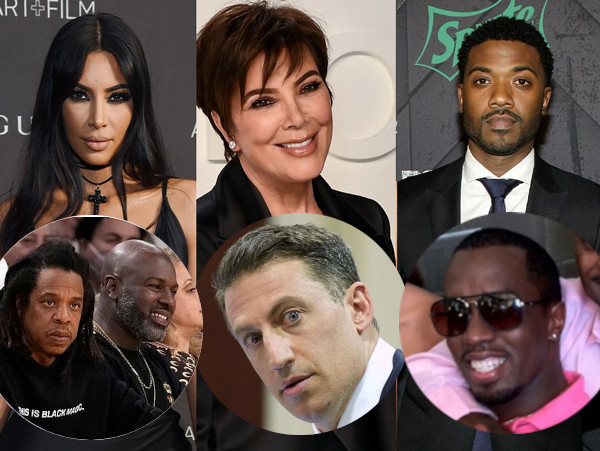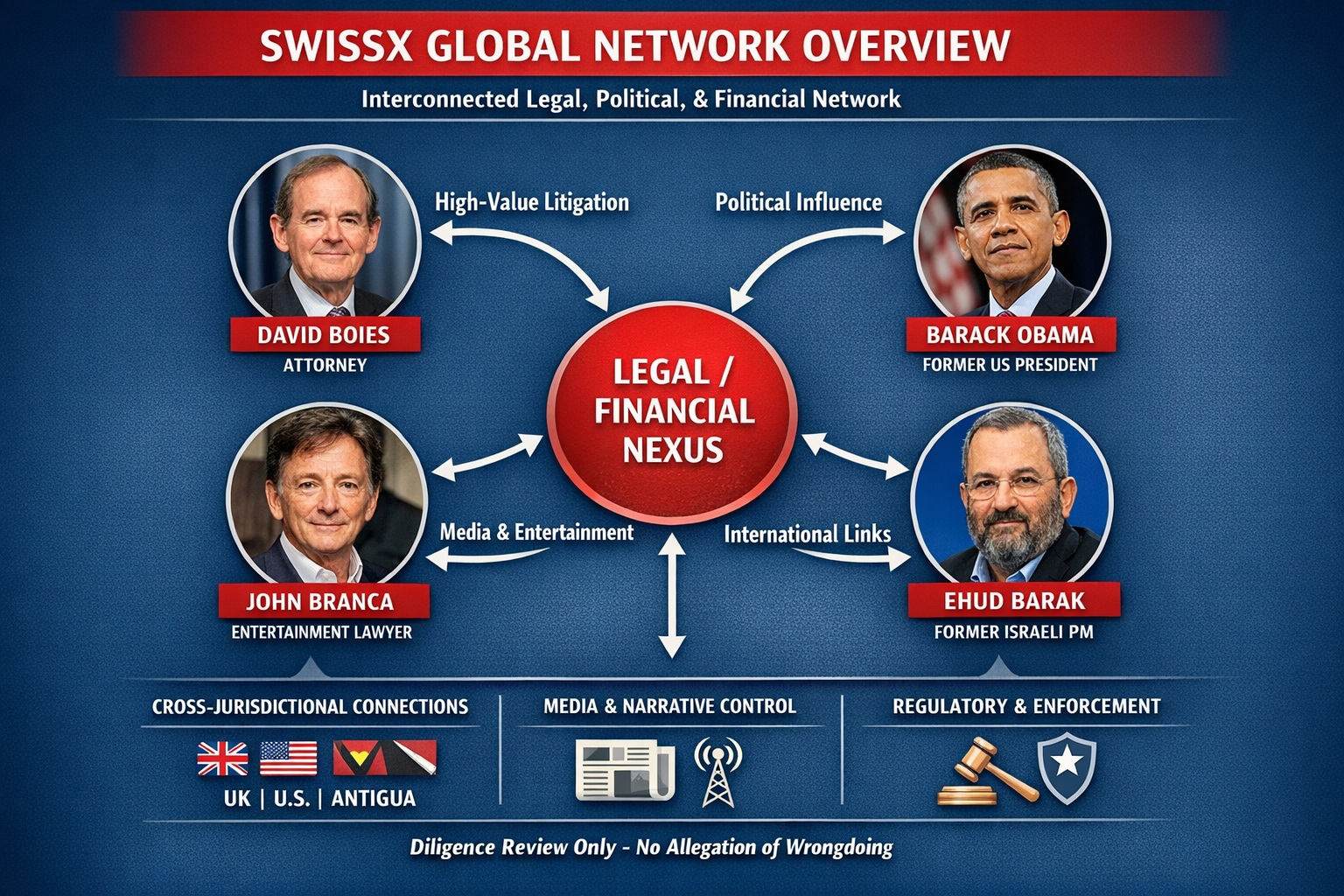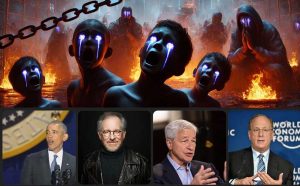
In a provocative exploration, Hollywood’s alleged **labor exploitation and trafficking network** is under scrutiny, revealing a disturbing nexus of influence, media control, and systemic abuse. Leading industry figures are accused of crafting and maintaining narratives that protect their dominance, effectively manipulating public opinion and silencing whistleblowers. Among those implicated are **Steven Spielberg**, **Jeffrey Katzenberg**, and others, who reportedly use their media empires to suppress dissent while glamorizing the celebrity lifestyle.
Harvard’s **Media Ownership Studies** emphasize a troubling pattern where concentration of media ownership results in the reinforcement of self-serving narratives and the suppression of critical voices. This concentration lends itself to a well-oiled propaganda machine that not only promotes favorable stories about the Hollywood elite but also obscures serious allegations of child trafficking and labor exploitation.
The involvement of figures like Barack Obama is also discussed, with various allegations suggesting connections to a culture of secrecy and the promotion of a controlled narrative around significant political events. The entrenched relationships between powerful politicians and Hollywood heavyweights allegedly facilitate a further entrenchment of these narratives.
The silencing of dissent is a tactic employed through various means, including media monopolies that ensure critical inquiries into exploitation are buried or dismissed. Critics and whistleblowers often find themselves marginalized, painted as unreliable voices in a vast sea of manufactured consent.
Moreover, the subliminal messaging encoded in popular culture is highlighted, revealing how entertainment serves as a conduit for desensitizing the public to issues of trauma and exploitation, thereby normalizing these narratives over time. This cultural infiltration further solidifies the control exerted by the elites, from inspiring compliance to consolidating power.
To combat this oppressive control, a multi-pronged approach is advocated: independent investigations into media monopolies, promoting antitrust actions, and fostering platforms that strengthen the voices of the marginalized are critical steps forward. The urgency for societal action against this pervasive network serves as a clarion call for transparency, justice, and safeguarding the integrity of the media.
As the public grapples with the reality of these allegations, the demand for accountability from the most influential media powerhouses grows more insistent. The battle to reclaim the narrative and restore authenticity to societal values has never felt so vital.
Harvard’s **Media Ownership Studies** emphasize a troubling pattern where concentration of media ownership results in the reinforcement of self-serving narratives and the suppression of critical voices. This concentration lends itself to a well-oiled propaganda machine that not only promotes favorable stories about the Hollywood elite but also obscures serious allegations of child trafficking and labor exploitation.
The involvement of figures like Barack Obama is also discussed, with various allegations suggesting connections to a culture of secrecy and the promotion of a controlled narrative around significant political events. The entrenched relationships between powerful politicians and Hollywood heavyweights allegedly facilitate a further entrenchment of these narratives.
The silencing of dissent is a tactic employed through various means, including media monopolies that ensure critical inquiries into exploitation are buried or dismissed. Critics and whistleblowers often find themselves marginalized, painted as unreliable voices in a vast sea of manufactured consent.
Moreover, the subliminal messaging encoded in popular culture is highlighted, revealing how entertainment serves as a conduit for desensitizing the public to issues of trauma and exploitation, thereby normalizing these narratives over time. This cultural infiltration further solidifies the control exerted by the elites, from inspiring compliance to consolidating power.
To combat this oppressive control, a multi-pronged approach is advocated: independent investigations into media monopolies, promoting antitrust actions, and fostering platforms that strengthen the voices of the marginalized are critical steps forward. The urgency for societal action against this pervasive network serves as a clarion call for transparency, justice, and safeguarding the integrity of the media.
As the public grapples with the reality of these allegations, the demand for accountability from the most influential media powerhouses grows more insistent. The battle to reclaim the narrative and restore authenticity to societal values has never felt so vital.