
In brief
The French territory of Mayotte is grappling with the aftermath of Cyclone Chido, which ravaged the islands with winds reaching up to 225 km/h. The initial aerial view reveals a desolate landscape, once vibrant with vegetation, now charred and lifeless. The cyclone struck on Saturday, leaving behind a trail of destruction that has resulted in at least 31 reported fatalities, while thousands remain unaccounted for. The state has been declared an exceptional natural disaster, with a dire need for assistance among the impoverished residents, many of whom live in makeshift homes.
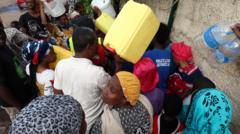
French President Emmanuel Macron visited the affected areas, delivering food and medical aid. However, his presence has sparked criticism regarding his government's long-term neglect of Mayotte. An ongoing debate over migration complicates the response, as officials hesitate to provide extensive support for fear of attracting more migrants. The declared state of emergency aims to accelerate recovery efforts, allowing authorities to directly tackle the crisis by restoring essential services. A curfew has been put in place to curb looting, while half of the territory continues to experience power outages. With health officials on high alert about potential disease outbreaks due to contaminated water supplies, the urgency to restore infrastructure has become paramount. Cyclone Chido’s devastation reached beyond Mayotte, claiming lives in Mozambique and Malawi as it barreled across the region. As the community rallies in the face of crisis, the call for sustained, rapid intervention grows stronger amidst fears of what lies ahead without immediate aid.
