In brief
Researchers highlight a unique sensory exploration into ancient burial practices amidst modern conservation efforts.
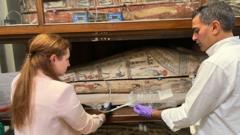
The mummified remains of ancient Egyptians, entombed for over 5,000 years, reveal surprisingly pleasant scents, according to a new study. An analysis of nine mummies has shown that their odors, categorized as "woody", "spicy", and "sweet", offer a fresh perspective on ancient embalming practices. Cecilia Bembibre, one of the researchers, expressed the intention to recreate these scents for display at the Egyptian Museum in Cairo. This initiative aims to enhance visitors' experiences by providing a glimpse into the aromatic rituals involved in mummification.Ancient Egyptians believed that surrounding the deceased with enticing fragrances was crucial to preparing them for their journey into the afterlife. Notably, pharaohs and elite individuals were treated with oils, balms, and waxes to mask unpleasant odors. Dr. Bembibre noted a departure from the ominous portrayals of mummified bodies in popular culture, highlighting the unexpected pleasantness of their scents.The research, published recently in the Journal of the American Chemical Society, involved a delicate procedure where researchers inserted a slender tube into sarcophagi to collect scent samples without disturbing the mummies. This non-invasive method reflects a growing trend among heritage scientists to uncover insights into the past while preserving artifacts.Ally Louks, a professor at the University of Cambridge specializing in the societal implications of smell, praised the study, citing its potential to evoke strong emotional and physical responses in museum-goers. The research also shows that the scents might serve as indicators of social status, with distinct aromas possibly correlating to different classes in ancient Egyptian society.In terms of conservation, the study has shed light on the chemical signs associated with mummified remains. By employing gas chromatography, the research team could analyze the breakdown of animal fats utilized in embalming, potentially signaling decomposition. These insights could offer valuable strategies for conservators as they work to maintain and protect Egypt's ancient heritage for future generations. "It's important for the well-being of these historical pieces," Dr. Bembibre added.