
In brief
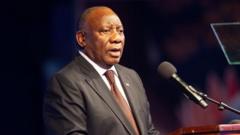
In a key gathering aimed at fostering multilateralism for global crises, South African President Cyril Ramaphosa addressed G20 foreign ministers. However, the mood was dampened by the absence of US Secretary of State Marco Rubio and Treasury Secretary Scott Bessent, reflecting growing tensions between South Africa and the US. President Ramaphosa emphasized the need for cooperation in addressing global issues such as climate change and conflicts, while the US stance signals a retreat from traditional diplomacy.
South Africa assumed the G20 presidency, with aspirations to uplift developing nations' interests from its position, which it will hold until November 2025. As the G20 gathers, comprising 19 countries and notable entities like the EU and African Union, the void left by US officials raises questions about international collaboration moving forward. Relations between the two nations have soured in recent years, particularly following President Trump's critiques of South Africa's domestic policies. The tensions escalated when assistance to South Africa was cut by the Trump administration, which led Rubio to denounce the country's agenda at the G20 as detrimental to American interests. Ramaphosa stressed the urgency of adhering to UN principles and international law in the face of a divisive geopolitical landscape, yet the absence of key US figures indicates a potential stall in progress. South Africa’s diplomatic role at this moment is critical, yet the rift with the US may hinder efforts to build consensus on pressing global challenges in the evolving political climate.

