
In brief
As NATO prepares for its pivotal summit in The Hague, the focus is squarely on Donald Trump, whose demands for higher defense spending from American allies are set to take center stage. With a brief agenda and significant security measures in place, the summit reflects underlying divisions between the U.S. and European allies regarding trade, Russia, and military contributions.
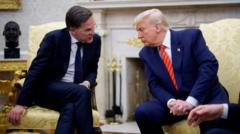
The looming NATO summit in The Hague is shaping up to be a focal point for Donald Trump’s many assertions regarding defense expenditures, overshadowing broader discussions among the 32 nations involved. NATO Secretary General Mark Rutte appears committed to appeasing Trump's agenda by emphasizing the need for increased military spending from European partners. The summit is scheduled over two days, featuring a condensed agenda of discussions, reportedly to accommodate Trump's preference for brevity in meetings. The U.S. President's staunch advocacy for the "America First" approach has historically put him at odds with NATO principles. Previously, he chastised European allies over perceived failures to meet their financial responsibilities. Notably, while European countries are beginning to align with Trump's push for higher GDP allocations for defense, the actual fulfillment of these financial commitments remains in question. Many NATO members continue to struggle to meet the existing benchmark of 2% of GDP, creating skepticism around the newly suggested 3.5% standard.Rutte has crafted a compromise that could see the promised spending attributed to “defense-related expenditures,” a term that may encompass a wide array of costs, including infrastructure improvements. Critics have expressed concerns that such allowances could lead to creative accounting tactics among member nations, clouding the true status of military funding. Although European nations like Poland and Lithuania are stepping up their defense budgets due to concerns over Russian aggression, conditions remain tense, particularly in light of the ongoing conflict in Ukraine. Discussions surrounding the war and its implications for NATO’s strategy may be notably absent, as leaders appear cautious not to exacerbate tensions, especially with Trump in attendance.In summary, as NATO convenes under a significant security operation costing nearly €183.4 million, the summit reveals fractures not only within the alliance but also in the approaches to national defense amid rising geopolitical threats. While Trump continues to be a dominating figure, the challenge for NATO leaders will be navigating these dynamics without undermining the integrity of the alliance’s collective commitments.
