In brief
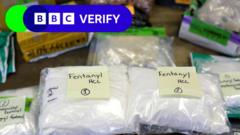
The influx of fentanyl into the U.S. primarily stems from China and Mexico, with U.S. officials highlighting the role of drug cartels and regulatory loopholes. Recent seizures indicate a majority of fentanyl comes from the U.S.-Mexico border, while Canada is increasingly implicated as well.
The United States faces a significant challenge in combating the influx of fentanyl, a potent synthetic opioid linked to over 74,000 overdose deaths in 2023, according to CDC statistics. The drug, initially approved in the 1960s for medical use, has become a major cause of death as it is often mixed with other illicit substances. Tackling this crisis has led to escalating tensions between the U.S. and China, where the majority of precursor chemicals for fentanyl production are sourced.Former President Donald Trump had imposed extensive tariffs on Chinese imports, accusing the country of failing to restrict the export of chemicals used in fentanyl production. In retaliation, China has also imposed tariffs. While much of the attention has been directed towards China, the role of Mexico is equally critical: nearly all fentanyl intercepted in the U.S.—about 98%—comes through the southern border, primarily facilitated by Mexican drug cartels like the Sinaloa Cartel.These organized crime groups are adept at smuggling operations, often camouflaging shipments among legitimate goods or illegally relabeling containers. In December, following threats of tariffs from the U.S., Mexico's security forces reported their largest fentanyl seizure to date, showcasing the seriousness of the issue.Recent developments have cast light on Canada's involvement in the fentanyl trade as well, with increases in chemical imports and collaborations between Canadian criminals and suppliers linked to fentanyl production. Although only about 0.2% of fentanyl seizures in the U.S. occur at the Canadian border, both cross-border trafficking and smuggling have grown.Amid regulatory measures, loopholes remain, allowing criminals to procure necessary chemicals for fentanyl production. China's efforts to tighten drug laws have had limited success, as traffickers continue to exploit legal products for illegal operations. Additionally, India's emergence as a significant supplier of fentanyl precursor chemicals poses a new challenge for U.S. authorities.As the U.S. continues to grapple with the fentanyl crisis, multifaceted solutions—including international collaboration and stringent law enforcement—are imperative to curb the flow of this deadly drug.