In brief
In recent months, Canada's political landscape has undergone a dramatic shift as the looming specter of US President Donald Trump's tariffs and aggressive rhetoric has reshaped voter priorities and sentiment ahead of the upcoming federal election. Not long ago, the Conservative Party, led by Pierre Poilievre, appeared poised for a decisive victory. However, his party's earlier advantage has diminished largely due to Trump's assertions about potentially treating Canada as "the 51st state."
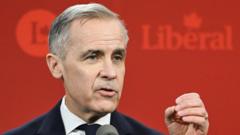
Political analysts, including Luc Turgeon of the University of Ottawa, have noted that Trump's focus on Canada has overshadowed many previous issues, significantly enhancing the Liberals' chances. With Prime Minister Justin Trudeau announcing his resignation earlier this year, the Liberal Party's fortunes appear to brighten—Trudeau's approval ratings have surged by 12 percentage points since December, raising questions about new party leadership under candidates like Mark Carney.As the Liberals prepare to elect a new leader, they must navigate responses to Trump's threats and consider the timing of the forthcoming election, which must occur by October 20. Polls indicate a split in public sentiment; while some Canadians yearn for a change in leadership, many are now more concerned about Trump's policies and their impact on the nation.Though the Conservatives maintain a slight polling lead at 40%, the Liberals have improved to just over 30%, a notable rebound fueled by public fears regarding the economic implications of potential tariffs on Canadian imports—a measure that could cost Canada up to a million jobs.Conservative messaging under Poilievre has focused on criticizing Trudeau's policies, linking them with issues like the increasing cost of living and healthcare. However, as Trump's threats rise to prominence on the political stage, this narrative is proving less effective. Attention is now turning towards who can best manage relations with the unpredictable Trump.As the political climate shifts, Conservative slogans have adapted to reflect rising nationalism, shifting from "Canada is Broken" to "Canada First." Tensions between the parties grow as the Liberals attempt to draw parallels between Poilievre and Trump, suggesting he would replicate the same contentious style of leadership.Issues regarding the integrity and loyalty of front-runner Carney have surfaced, heightening scrutiny as the election nears. His past role with Brookfield Asset Management has opened a debate about Canadian commitment, which could jeopardize his rise if not adequately addressed.Despite these uncertainties, it's evident that Trump's influence cannot be underestimated in shaping the upcoming Canadian election. The unfolding political narrative suggests that voters will increasingly consider national identity and sovereignty when deciding their preferred leadership. As the potential for immediate elections looms, Canadians await clarity on who will best advocate for their interests during these turbulent times.