In brief
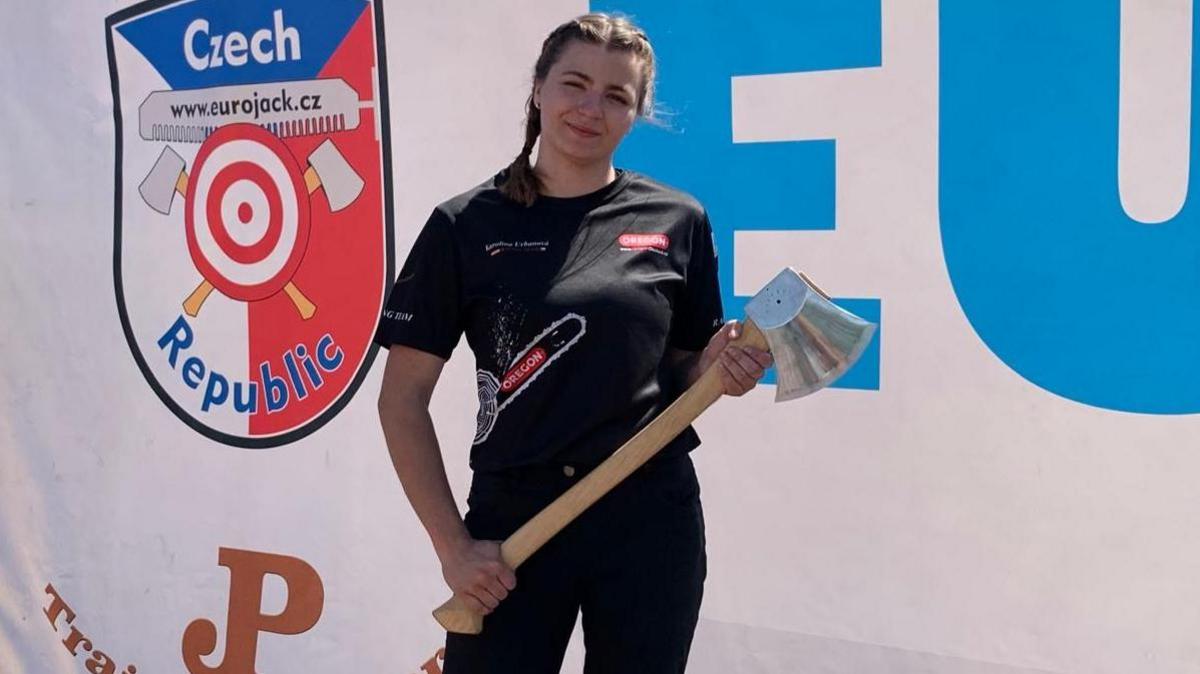
At the Wisconsin‑hosted Lumberjack World Championships, 24‑year‑old Karolina Urbanova from the Czech Republic set two new world records, cutting through a 9‑inch block in 19.38 seconds and an 11‑inch white pine in 21.28 seconds. Nearby, Hayward junior Meredith Ingbretson clinched the Women’s Boom Run with a 13.78‑second finish. Both athletes illustrate a dramatic rise in female participation – a trend that has more than trebled in the last three decades and now sees women competing in events once reserved for men. The sport’s growth is buoyed by community enthusiasm, social media exposure, and a supportive host‑family culture that invites competitors worldwide. Their stories underscore a broader shift toward inclusivity and strength in traditionally male‑dominated arenas.
Breaking Records, Breaking Stereotypes
In a sport that once echoed only in the timber towns of Wisconsin, female competitors are now cutting record times and carving out a place at the top of the leaderboard.
Karolina Urbanova, a 24‑year‑old from a quiet Czech village, entered lumberjack sports almost by accident when a new neighbour asked for help with village events. The 2026 Old‑Friday of the Lumberjack World Championships in Hayward saw her shatter two world records: a 9‑inch (23cm) white‑pine block in 19.38 seconds and an 11‑inch block in 21.28 seconds, breaking previous marks of 21.17 and 24.26 seconds respectively.
Behind her success is a routine of weight training, cardio and axe‑facing that she and her family practise daily in a barn, often under the watchful eye of seasoned competitors who have helped shape her technique.
Meredith Ingbretson, a lifelong Hayward resident, took advantage of the town’s long‑standing log‑rolling culture to claim the Women’s Boom Run title, racing fast across eight cedar logs in 13.78 seconds, a new record that edged out the old 13.98‑second benchmark by a fraction.
Ingbretson, who began in the sport as a toddler, now balances family life with a competitive schedule that spans waiting camps in Tasmania and volunteer work for local schools. “I’m lucky to have a community that sees me as a role model,” she says, underlining the way local support fuels performance.
The growth of female participation—from a handful of log‑rollers in the 1960s to 40 women over the winter – reflects a broader shift. Event director Samantha LaSalle explains that women began entering chopping and sawing contests only recently, with the Standing Block event for females added in 2022, and now dozens are competing at the highest level.
“We’re seeing record‑breaking times drop year after year, which shows how quickly the talent pool is improving,” LaSalle adds, noting that women continue to train full‑time, often traveling abroad to meet other athletes.
Both athletes credit social media and collegiate education programs for boosting visibility and bringing new participants to the sport. Ingbretson, who teaches at the high school, sees young students stepping onto logs as a daily reminder of the sport’s potential.
The chair of the world championships also notes that prize money rarely covers travel costs; one winning category nets only $1,000, so athletes often stay with host families or rely on community support. Urbanova, for example, stayed in Wisconsin with a welcoming host family during the finals.
What began as an unexpected side‑interest has become a story of empowerment, communal support, and record‑shattering grit—an inspiring reminder that talent, when nurtured, can defy tradition and leave a new mark on the ground.