In brief
Blazing fires across the south‑western Atlantic coast of France and the Madrid‑area have forced more than a quarter‑million people to flee overnight. Strong winds have turned the blaze into a threat for Bordeaux, prompting officials to halt the Tour de France. In Spain, a state of emergency and weather changes have helped firefighters in Madrid’s outskirts, though the situation remains dire with one death reported and 130,000 hectares burned. European nations are mobilising military and civilian resources, while EU leaders pledge support. The scale of the crisis surpasses last year’s record and may set new fire‑season benchmarks.
Wildfire Crisis Shakes France and Spain, Over 250,000 Evacuated
Firefighters in south‑western France are struggling to bring raging wildfires under control as fierce winds push the flames toward Bordeaux and the Gironde region. According to a local official, the situation is "far from having the fire under control," and the wind has carried a heavy scent of smoke into the city, prompting trouble‑free deterrents earlier this week.
In the last 24 hours of fighting, officials in France and Spain reported that more than 250,000 people have been forced to leave their homes. Seven towns west of Bordeaux were ordered evacuations at 12.00 am, while Spanish authorities declared a state of emergency in Madrid’s region.
The weather turned favorably for rescue crews in Spain, as humidity increased and temperatures dipped, giving the fire‑fighters on the outskirts of Madrid an advantage. Spanish PM Pedro Sánchez said Spain now had a "window of opportunity" even though strong wind still complicates the job.
One Spanish resident, aged in his 70s, lost his life when firefighters encountered a blaze in the Salt de l’Aigua ravine in Manises. The death was confirmed by local media.
France has pressed the military to aid the fight. Army units have been deployed to clear brush and build fire‑breaks, while the Civil Protection network has launched a reinforcement with water‑bombers from Croatia, Portugal, Czech Republic, Slovakia, and Romania. EU leaders have promised to bring an additional 11 aircraft and helicopters to the region.
Within just a week of the spring fires, France and Spain together have seen more than 130,000 hectares burn, outpacing the 100,000‑hectare annual average for the last decade.
The crisis has rippled across Europe: emergency teams in Italy have dealt with more than 350 fires on Sicily, and Scotland’s Fire Service declared a major incident after a 10‑day‑old blaze in the Cairngorms National Park. Emerging evidence suggests that the fire season in Europe could beat previous world‑wide numbers for the first time in recent memory.
As parliament convenes a meeting with ministers, French President Emmanuel Macron has flagged the fires as a once‑in‑a‑generation crisis. In the meantime, the Tour de France will be shortened from 133km to 89km to allow police to bolster areas under attack. Citizens, meanwhile, have taken to shelters and hotels, and some are still feeling the acrid smoke from several miles away.
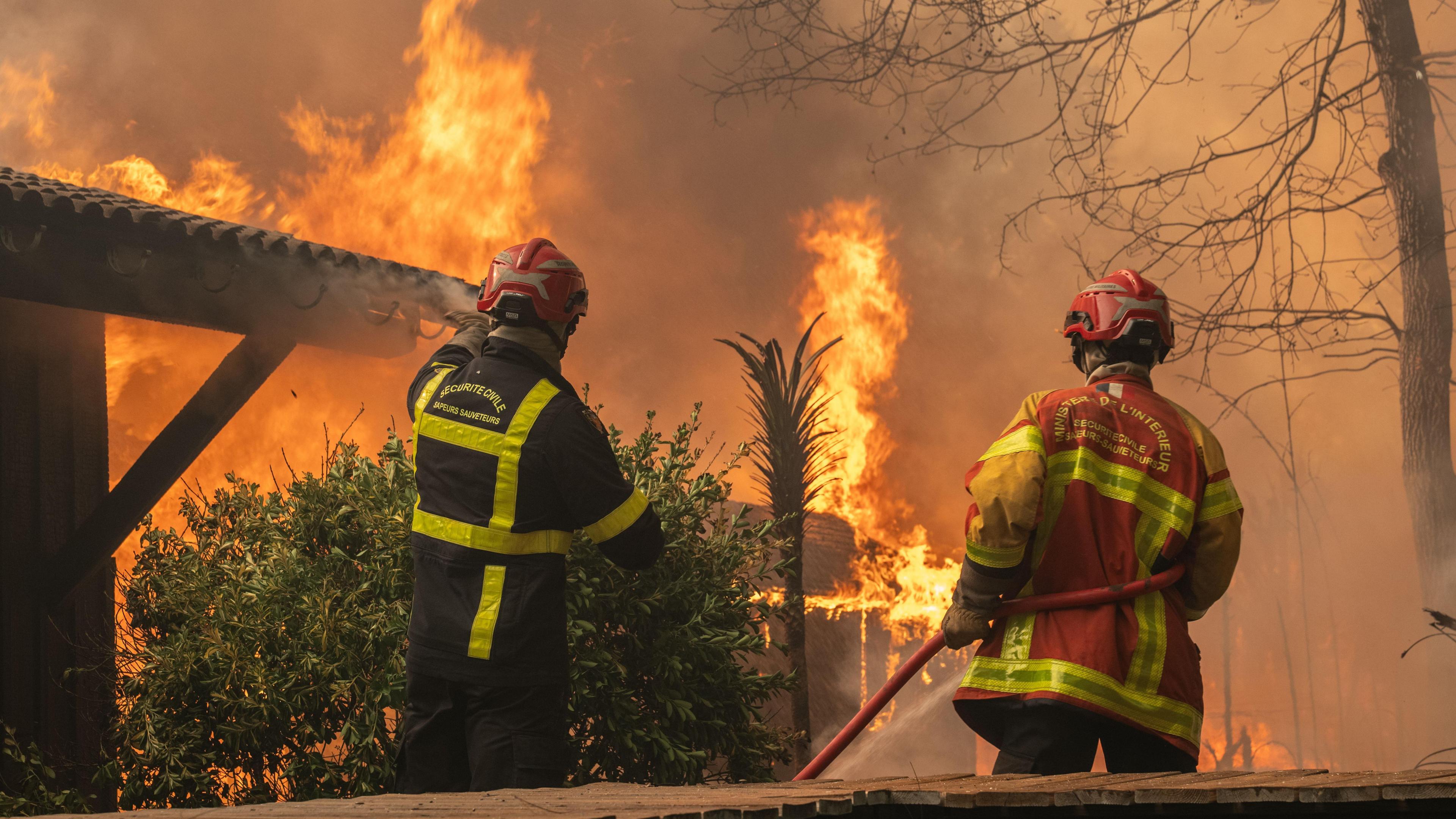
The picture, captured by the BBC’s weather coverage, shows firefighters battling an advancing blaze near Lege‑Cap‑Ferret. Citizens, tourists, and regular residents have expressed that the stakes are high, and the severity of the fires stands as a stark reminder of the growing fire threat across Europe.