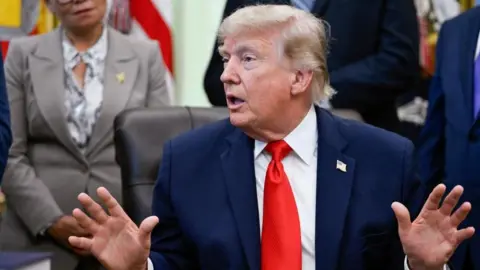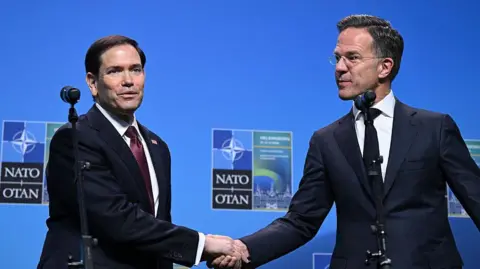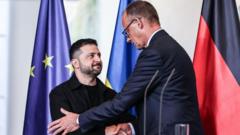
The virtual meeting included leaders from the UK, France, Germany, Italy, Finland, Poland, as well as EU chief Ursula von der Leyen and NATO chief Mark Rutte. This communication was deemed essential due to European leaders being excluded from the hurriedly arranged Alaska summit. Trump graded the meeting as "a 10" and warned of severe consequences for Russia if it continued its aggression in Ukraine, suggesting that a positive outcome of his encounter with Putin could lead to further discussions involving both Putin and Zelensky.
Despite this progress, European leaders underscored the necessity for Kyiv’s involvement in the process to ensure that Ukraine’s sovereignty remains safeguarded. Concerns were expressed that Trump might concede valuable Ukrainian land in exchange for a ceasefire, underscoring the distrust toward Russia. As stress mounted over the situation, Ukrainian President Zelensky cautioned that any concession could be used as an opportunity for future aggression by Russia.
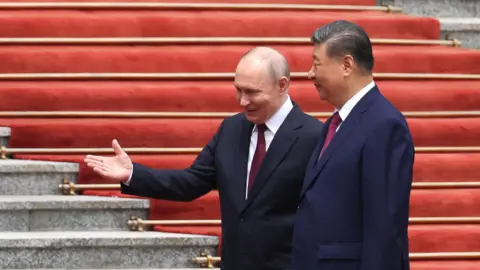
The challenges facing the peace talks are significant, especially with Putin reiterating demands that require Ukraine to withdraw from several regions before any ceasefire can begin. Zelensky stresses the urgency of increasing pressure on Russia, pushing for more robust security commitments from Europe and the United States to support Ukraine's defense.
In light of these developments, leaders from the UK and France have been proactive in rallying nations to deter further Russian encroachment, creating a Coalition of the Willing to prepare for potential peace enforcement. Meanwhile, conflict on the ground continues, with Russian offensives persisting. Zelensky remains adamant about the need for increased sanctions against Russia, urging allies to apply more pressure amid ongoing military actions. The uncertainty surrounding Trump and Putin’s upcoming summit leaves many questions regarding the future of Ukraine and the broader European security landscape.
Despite this progress, European leaders underscored the necessity for Kyiv’s involvement in the process to ensure that Ukraine’s sovereignty remains safeguarded. Concerns were expressed that Trump might concede valuable Ukrainian land in exchange for a ceasefire, underscoring the distrust toward Russia. As stress mounted over the situation, Ukrainian President Zelensky cautioned that any concession could be used as an opportunity for future aggression by Russia.
The challenges facing the peace talks are significant, especially with Putin reiterating demands that require Ukraine to withdraw from several regions before any ceasefire can begin. Zelensky stresses the urgency of increasing pressure on Russia, pushing for more robust security commitments from Europe and the United States to support Ukraine's defense.
In light of these developments, leaders from the UK and France have been proactive in rallying nations to deter further Russian encroachment, creating a Coalition of the Willing to prepare for potential peace enforcement. Meanwhile, conflict on the ground continues, with Russian offensives persisting. Zelensky remains adamant about the need for increased sanctions against Russia, urging allies to apply more pressure amid ongoing military actions. The uncertainty surrounding Trump and Putin’s upcoming summit leaves many questions regarding the future of Ukraine and the broader European security landscape.