
In brief
The conflict between Israel and Hamas has escalated, leading to severe accusations against both parties. While Hamas is charged with initiating the war through brutal attacks, Israel faces international scrutiny for its military actions in Gaza. With calls for accountability growing, Israel's diplomatic standing is increasingly precarious.
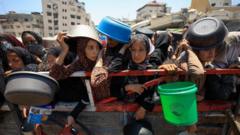
In an unfolding tale of conflict and accountability, Jeremy Bowen reports that the international landscape regarding the Israel-Gaza crisis has shifted dramatically since the onset of hostilities on October 7, 2023. Initially underestimating the threat from Hamas, Israeli Prime Minister Benjamin Netanyahu has faced backlash for failing to investigate the errors that allowed Hamas's attack to gain traction. In seeking to manage Palestinian dynamics, Netanyahu's focus on countering Iran and pursuing normalization with Saudi Arabia has given way to an escalating humanitarian crisis.The situation on the ground has proved challenging for journalists, particularly after Israel imposed restrictions that hindered independent reporting from Gaza. Nevertheless, Palestinian journalists have bravely documented the ongoing tragedy, which has seen significant casualties among both civilians and reporters. While Hamas's actions on October 7 are characterized as war crimes—resulting in the death of over a thousand people and the taking of hostages—evidence is also surfacing regarding alleged war crimes committed by Israel in response, including disproportionate military operations and a blockade that has starved the civilian population. Amidst deteriorating diplomatic relations, entities like the International Criminal Court have issued arrest warrants for Netanyahu, further complicating his position. Western allies that initially supported Israel have shown diminishing patience, indicating discontent with the humanitarian toll enforced by current Israeli tactics. Recent global statements have condemned Israel's handling of aid distribution, and criticisms have begun to extend to the fundamental humanitarian obligations of the state.With the threat of a no-confidence vote looming over Netanyahu and calls for more decisive action emerging from various factions, including the Labour party in the UK, the prospects for peace negotiations hang delicately in the balance. A ceasefire, though seen as a complex and nuanced path forward, may offer a temporary respite for both Gazan civilians and Israeli hostages, while leaving unaddressed the deeper, unresolved tensions that fuel the enduring conflict. The perceptions and actions of global leaders toward this grave situation will likely shape international relations for years to come.

