In brief
The interim leadership, backed by the Trump administration, has announced that it will hold formal talks with opposition lawmakers starting 1 August. This comes after U.S. forces seized former President Nicolás Maduro and took him to New York for drug‑trafficking charges. The talks also respond to the twin earthquakes that killed thousands in northern Venezuela, with leaders stressing the need for unity in reconstruction. Opposition says the meetings will chart a path back to democracy, and will focus on strengthening electoral systems and ensuring political participation.
Venezuela’s interim government, led by President Delcy Rodríguez, has announced a new phase of engagement with the opposition that will begin on 1 August. The initiative follows a dramatic U.S. raid that extracted former President Nicolás Maduro from Caracas and relocated him to New York on drug‑trafficking charges.
While the U.S. welcomed the removal of Maduro, the opposition has long insisted that the change should lead to a new governmental structure. The two sides now aim to lay a “route map towards democracy” through formal negotiations.
Incoming opposition leaders include former National Assembly member Dinorah Figuera, who returned to Venezuela in June after almost eight years in exile. Her presence signals a return of experienced lawmakers to the political arena.
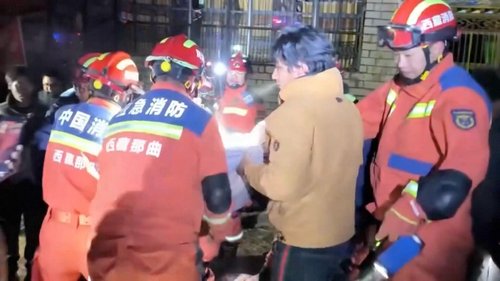
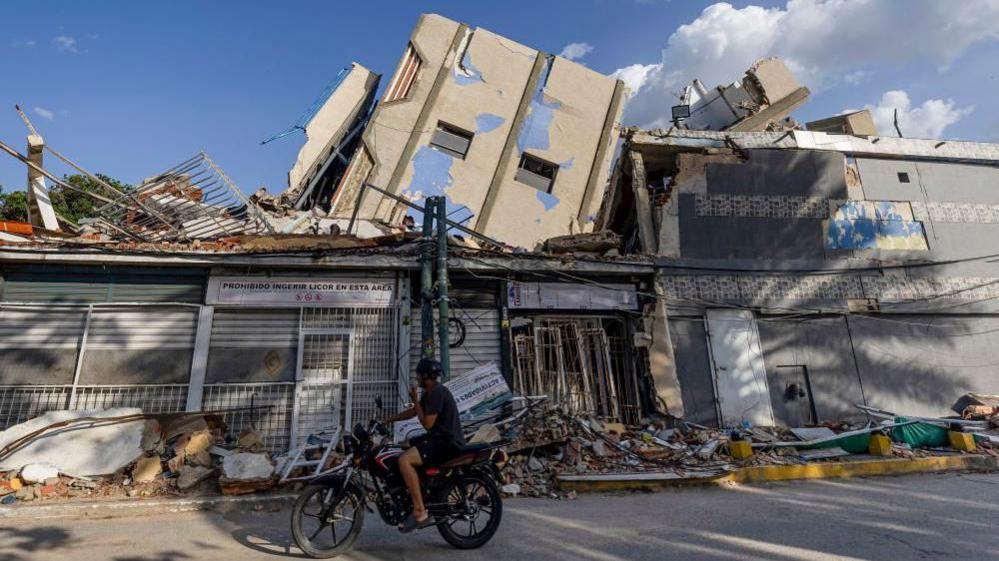
A chief reason for opening talks, according to Speaker Jorge Rodríguez, is the devastation caused by twin earthquakes that struck the north of the country on 24 June. The blasts killed at least 4,734 people and flattened numerous buildings, underscoring the pressing need for reconstruction and national unity.
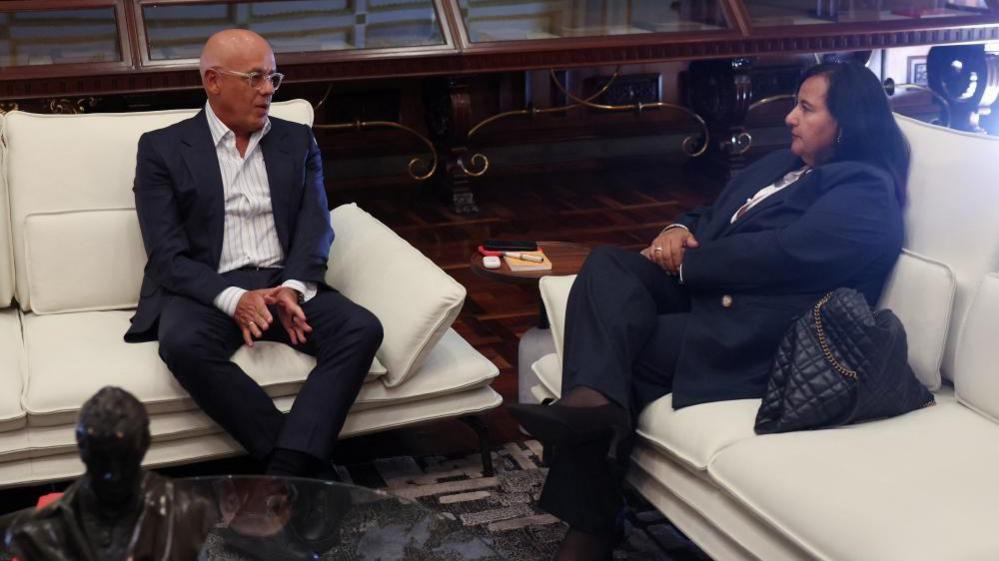
The opposition’s statement emphasizes that the priority of the meetings will be to strengthen democratic institutions and secure a fair electoral system. They also highlight international support, noting the U.S. assistance provided during the earthquake aftermath as evidence that “Venezuela is not alone.”
Several key opposition figures, such as María Corina Machado, remain blocked from returning to Caracas. Machado, a Nobel Peace Prize laureate, attempted to return secretly in November, but her entry was stalled by authorities citing post‑earthquake reconstruction concerns.
Both leaders underscore that unity is essential for Venezuela’s resurgence. The interim team will meet the opposition in a short series of negotiations, setting the stage for a potential democratic transition in the months ahead.