In brief
The Naga community is rallying for the repatriation of ancestral skulls after a 19th-century skull from Nagaland was unexpectedly listed for auction in the UK. Amid growing concerns over the ethics surrounding human remains, Naga leaders express their deep hurt and renewed determination to reclaim their ancestors' remains, which were historically taken during colonial rule.
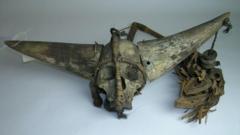
Naga human remains, including skulls, have long been a subject of concern for tribal groups in India, particularly following a recent shocking auction in the UK. Ellen Konyak from the Naga Forum for Reconciliation (NFR) shed light on this distressing event when she discovered a skull from her home state of Nagaland, which was sold as part of an antique auction, igniting protests from Naga scholars and community leaders alike. The auction house, Swan at Tetsworth, listed the skull among other artifacts including shrunken heads from South America, with a valuation significantly above average. Following widespread outcry—including a letter from the Nagaland Chief Minister condemning the auction as a continuation of "colonial violence"—the sale was promptly withdrawn. This incident has intensified the Naga community's calls for the repatriation of their ancestral artifacts that still reside abroad.Deeply intertwined with this issue is the historical context, as many of these human remains were taken without the consent of local populations during the colonial era. Alok Kumar Kanungo, a noted scholar on Naga culture, estimates approximately 50,000 Naga items are still held in UK collections, with the Pitt Rivers Museum possessing the largest collection of around 6,550 pieces, including human remains.Recent years have seen an ethical shift regarding the display and possession of human remains in museums globally. Institutions have begun to reconsider their holdings, often opting to return remains to the descendants of the communities from which they originated. This includes the Pitt Rivers Museum, which has initiated returns to countries like Australia and New Zealand; however, Naga remains remain in limbo.Navigating the repatriation process is challenging—it requires extensive research to verify the ethical acquisition of the remains as well as identifying suitable descendants. Konyak emphasizes the spiritual component of this endeavor, as the Naga people search for closure through the repatriation of their ancestors’ remains.The NFR has mobilized a dedicated group called Recover, Restore, and Decolonise to work through the complexities of the repatriation process. They are engaging with Naga elders, raising awareness about the situation and exploring traditional rituals regarding last rites, crucial for many in the community.The impact of colonial rule remains prevalent in the collective memory of the Naga people, evoking feelings of deep loss and cultural dislocation. Konyak’s personal connection to the remains has fueled a strong desire among community members to reclaim their history and assert their narrative against a backdrop of long-standing injustices.