In brief
South Korea’s Ministry of Employment and Labor has dismissed claims of workplace harassment involving NewJeans' member Hanni, stating that celebrities do not qualify as workers under existing labor laws. This controversial decision has reignited discussions on the oppressive work conditions faced by K-pop idols, highlighting the urgent need for reform in the entertainment industry.
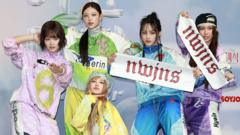
In a groundbreaking ruling, South Korea's Ministry of Employment and Labor has determined that K-pop stars, including the popular group NewJeans, are not considered workers under the nation's labor laws. This decision came in response to allegations of workplace harassment from group member Hanni, who expressed concerns about their treatment by their management, Ador, during a YouTube livestream on September 11. Despite NewJeans' striking success, with significant global sales and awards nominations, the government's stance reflects a wider issue within the entertainment sector.The ministry's refusal to recognize Hanni and her fellow band members as employees sparked backlash, as fans rallied under the hashtag "IdolsAreWorkers" to advocate for the rights of K-pop artists. Critics argue that South Korea's existing labor protections do not suit the unique challenges faced by idols, who often endure grueling work conditions devoid of clear breaks or support systems.Chunghwan Choi, a senior partner at Yulchon law firm, pointed out that the management contract's terms categorize such performers as independent contractors rather than employees, further complicating their claims for harassment protections. Hanni's assertive testimony described a toxic environment, where the pressures of fame contributed to widespread exploitation and neglect from agency staff.The absence of specific labor laws geared toward artists, combined with the lack of effective representation, culminates in a call for reforms similar to existing frameworks in places like Hollywood. Advocates argue that new regulations are essential to safeguard the mental health and rights of idols in an industry notorious for high stakes and even higher demands.Despite the government's position, commentators and activists continue to emphasize the need for visible change, insisting that the well-being of these public figures should be prioritized. With discussions about reform gaining momentum, the future of K-pop stars' labor rights hangs in the balance, as they navigate their careers amid an often unforgiving entertainment landscape.