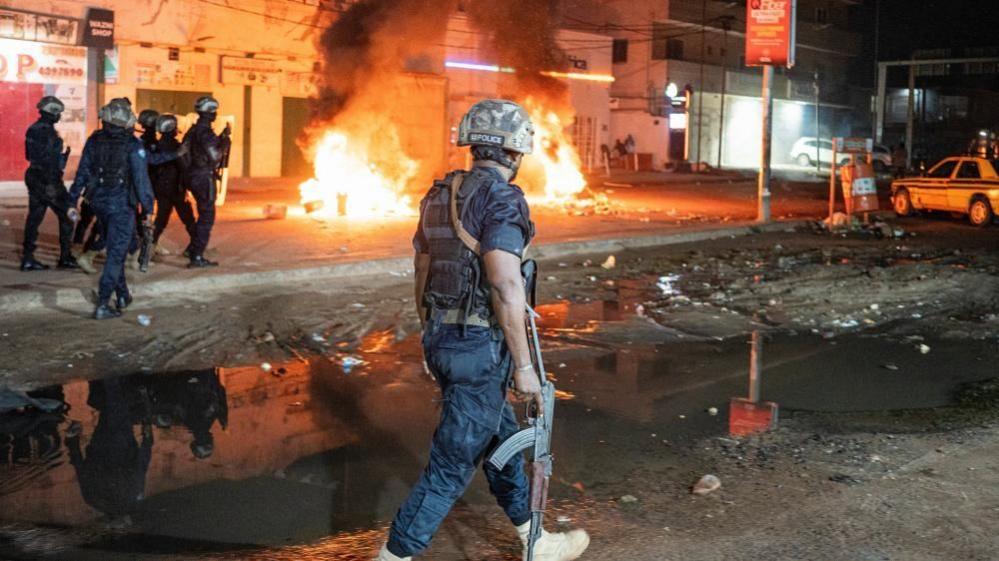
When Ukrainian President Volodymyr Zelensky announced the removal of Defence Minister Mykhailo Fedorov, troops on the front lines reacted not with silence but with indignation. The decision ignited sudden crowds in Kyiv, where soldiers and civilians alike surged onto the streets, holding cardboard signs and chanting for the return of the minister who had spearheaded the country’s digital transformation.
For these soldiers, Fedorov’s departure feels like a slap in the face. One veteran, who chose the pseudonym Maryna to maintain anonymity, described the protest as “a blunt rejection of our sacrifices.” The sentiment is echoed across the ranks, where many fear that the reforms — especially those that elevated drone warfare and data‑driven strategy — could be reversed.
Fedorov, 35, had risen to prominence after driving a digital war‑strategy that saw the Ministry of Defence endorse rogue technology such as Starlink blocks and a “Army of Drones” scoring system. His brief but impactful tenure is seen as a turning point that gave Ukraine a technological edge against a superior adversary.
Critics argue that his exit could undo critical strides. “The military reformation has faced institutional inertia,” said former intelligence officer Ivan Stupak, noting the age gap and differing visions between Fedorov and Chief of Armed Forces Gen Oleksandr Syrskyi.
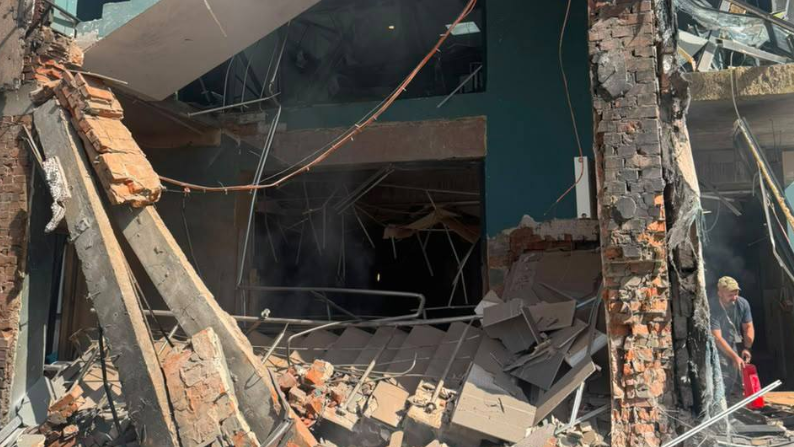
Despite the protests, the new interim security minister, Yevhenii Khmara, has pledged that operational programs will continue. However, war‑zone analysts caution that as the climate darkens, further Russian attacks on infrastructure are likely, and any pause in digital initiatives may prove costly.