In brief
With Fedorov’s exit, many soldiers feel a slap in the face, sparking protests in Kyiv. Veterans argue his digital reforms were key to Ukraine’s recent gains. While rallies grow, military leaders warn against political fragmentation. Analysts fear a halt to drone and AI initiatives, possibly weakening Ukraine’s defence.
At the heart of Ukraine’s war, a sudden cabinet change has left many soldiers fuming. President Volodymyr Zelensky’s decision to remove Defence Minister Mykhailo Fedorov sparked demonstrations across Kyiv, as troops whispered that it was a betrayal of the ground forces.
A wounded soldier, still recovering from a serious injury, filmed a short message on Telegram: "My operation is scheduled for tomorrow. I hope when I wake up after the anaesthetic, Fedorov will be back at the Ministry of Defence, otherwise everything I was fighting for will have been in vain." The video spread quickly among front‑line units, amplifying the grief among the ranks. Soldiers call the move a “blatant slap in the face” and a sign of a system that values political scheming over battlefield success.
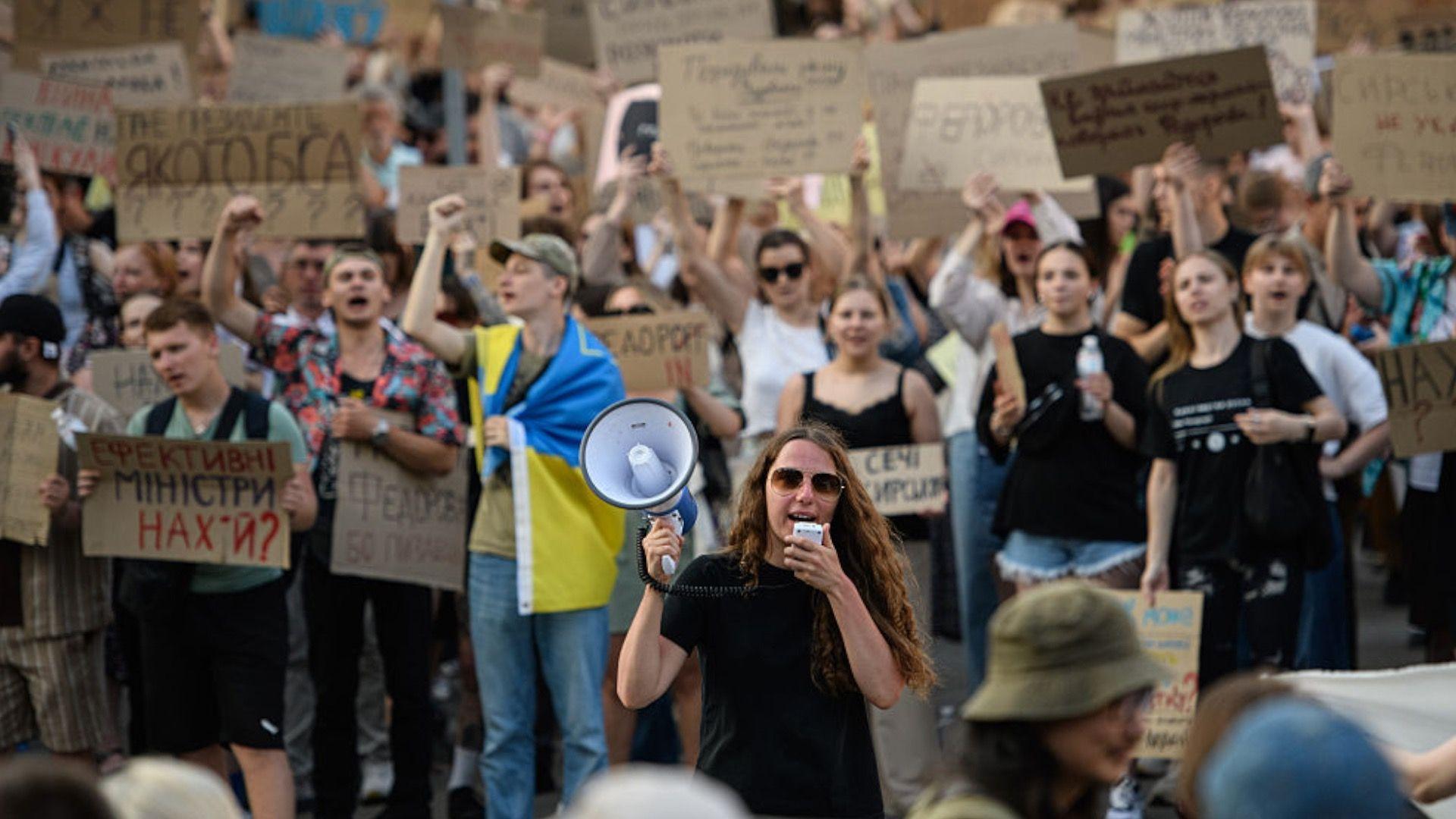
The protests, though small compared to rallies of the past, carry a heavy weight. Many soldiers, including a veteran named Natasha, stressed that the day’s bombardments by multiple‑launch rocket systems left them with fewer concerns about political gaffes. Still, dozens marched with cardboard placards demanding Fedorov’s return, a symbol of the broader appetite for reform within the military.
Fedorov, 35, rose through the ranks as a digital pioneer, pushing Ukraine to adopt drones, artificial intelligence and online analytics. His “Army of Drones: Bonus” scheme rewarded frontline units for targeting Russian forces, encouraging rapid procurement and innovation. He also negotiated with major tech firms, securing a blockade on Russian access to Starlink satellite internet, an act credited with stalling Russian advances.
Opposition within the military has hardened over time. Gen. Oleksandr Syrskyi, the 60‑year‑old commander‑in‑chief, represents a different generation of leadership, one tied to more traditional Soviet‑era doctrines. Many soldiers view Syrskyi as a “butcher” or a “Gen. 200,” highlighting a generational schism that mirrors the conflict on the front.
The fates of Fedorov and Syrskyi may have influenced Zelensky’s decision: the president cited an inability to create a unified focus as a key reason for Fedorov’s removal. Critics say the dismissal risks stalling digital initiatives at a time when Russia is likely to intensify attacks on Ukraine’s energy infrastructure. The loss of Fedorov’s leadership could mean delayed projects, reduced operational agility, and decreased troop morale.
As the protests continue, activists hope for a swift restoration of Fedorov’s programs. They fear that prolonged political infighting might erode the very innovations that have kept Ukrainian forces ahead. If the Ministry of Defence remains mired in bureaucratic opposition, the country could find itself more vulnerable as the war’s final chapters approach.
Protesters march in Kyiv following Mykhailo Fedorov’s removal of his position as defence minister, July 17, 2026