In brief
Ukraine’s forces launched a large‑scale drone and missile assault on the Russian port of Novorossiysk, crippling two key grain export facilities and damaging naval ships. Three civilians, including an eight‑year‑old, were killed with 24 injured. Russian President Vladimir Putin’s military denied the strike, while Ukraine’s Zelensky highlighted the operation’s uniqueness. Faced with the raid, Russia’s agriculture ministry redirected cargo to Baltic, Caspian and inland routes, underscoring the widening impact on global grain supplies.
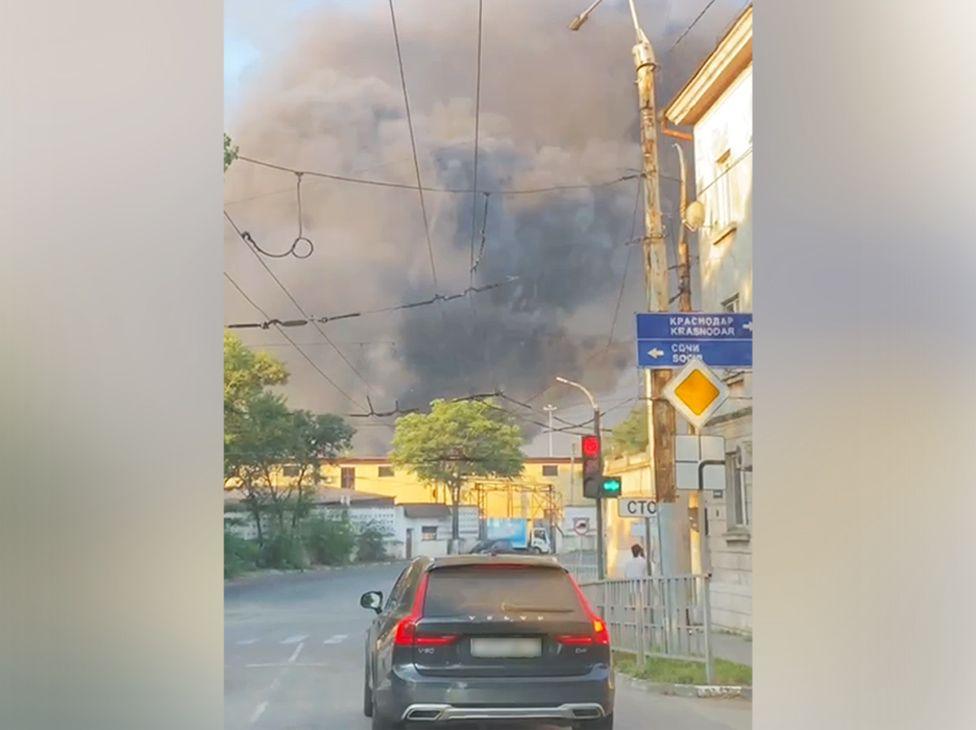
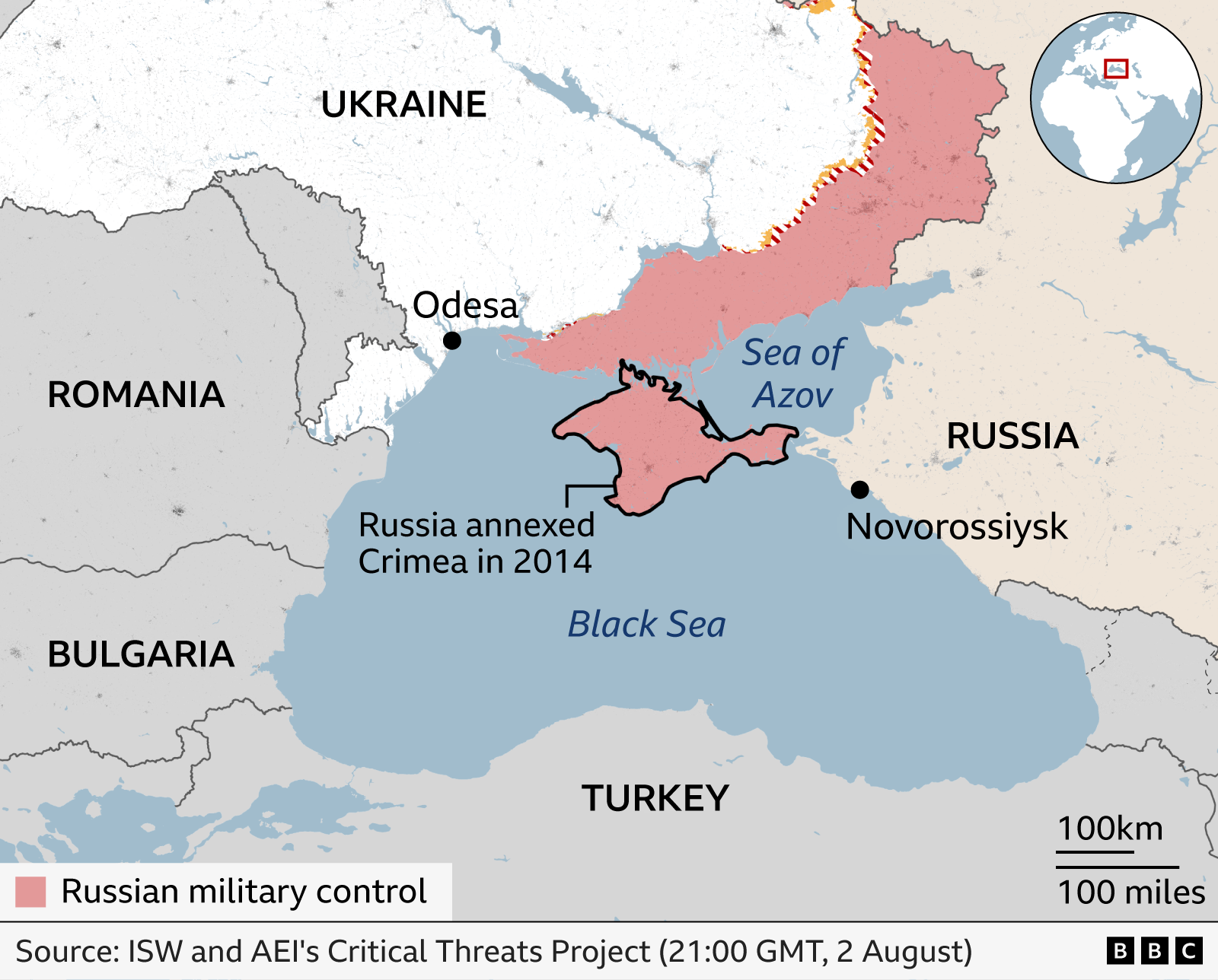
A massive strike by Ukrainian drones and missiles overnight on Novorossiysk, Russia’s key Black Sea port, destroyed two critical grain export terminals and inflicted damage on the navy's last substantial base on the sea.
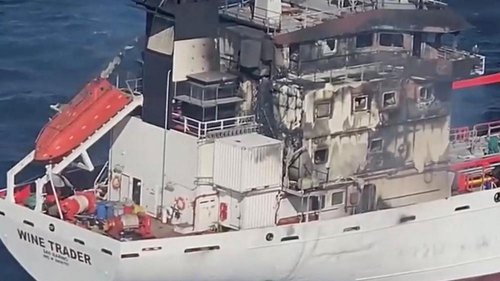
Three civilians, including an eight‑year‑old child, were killed and another 24 were wounded, according to local authorities. The attack, which involved numerous drones and ballistic missiles, also reportedly struck four Russian warships, including two frigates.
President Volodymyr Zelensky described the operation as “unique,” claiming that Kyiv launched jets, naval drones and missiles to target the base. He did not explicitly mention the grain terminals in his official statement.
Russia’s agricultural ministry announced it was re‑routing cargo to ports in the Baltic and Caspian seas, as well as overland routes, to mitigate the impact of the attacks. No direct comment has been made by Moscow’s military forces about the strike.
In the hours leading up to the attack, air defenses across Novorossiysk intercepted numerous aerial objects, and an emergency situation was declared after a barrage of drones shut down water pipelines, disrupting city services.
The attack falls into a broader pattern of intensified Black Sea hostilities since the summer of 2026, with Ukraine increasingly targeting Russian shipping lanes and port infrastructure. Analysts warn that such disruptions could knock Russian grain exports for August by more than half compared to previous years.
Following the raid, the Russian Foreign Ministry’s spokeswoman Maria Zakharova accused Ukraine of prompting a global rise in food prices by attacking grain infrastructure. She reiterated that Russia would continue striking facilities used by Ukrainian forces until threats to the Sea of Azov and Black Sea were eliminated.
This attack underscores the perilous ripple effects the conflict has on raw global food supplies, as both Russia and Ukraine account for a significant share of international grain trade, especially for markets in North Africa, the Middle East and Asia.