EU to Strip Sanctions on Alisher Usmanow and Mikhail Fridman
EU officials announced the removal of sanctions on two high‑profile Russian oligarchs, sparking sharp criticism from Ukrainian authorities and toppling the hard‑line stance of the sanctions regime.

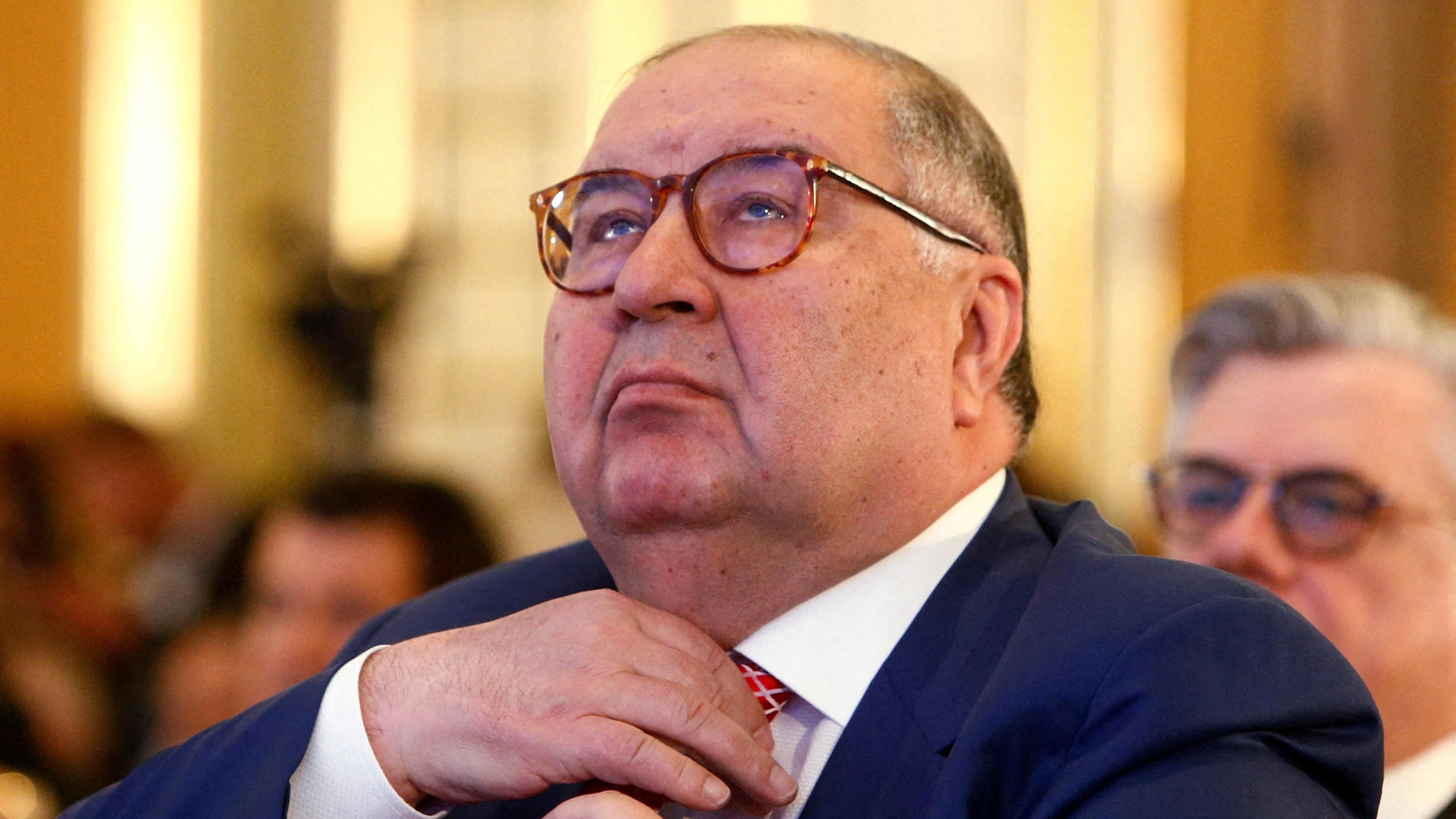
The decision follows a three‑party negotiation led by France, Luxembourg and Latvia. France campaigned for the removal of Usmanow, citing national‑security concerns, while Luxembourg called for Mikhail Fridman, a Russian‑Israeli businessman who has been fighting for the release of his frozen assets.
Latvia initially opposed the vote but finally accepted a compromise that would extend sanctions on approximately 3,000 additional individuals and entities for a three‑year period, compared with the previous six‑month renewal cycle.
Ukrainian officials condemned the move as "unacceptable," warning it would convey a message of impunity to Moscow. Foreign Minister Andriy Sybiha posted the criticism on X, urging EU members to announce national sanctions against the two oligarchs instead of a blanket removal. Latvia has already pledged to do so.
The Kremlin welcomed the decision and called the EU’s sanctions illegitimate, claiming all Russians should be removed. The move has intensified pressure on the EU to balance diplomatic interests with the broader war‑time sanctions agenda.
Usmanow and Fridman’s business portfolios, which include USM Holding, Megafon and several energy and banking interests, attract scrutiny for their strategic ties to the Kremlin. Analysts suggest the decision could be linked to a broader prisoner‑release agreement involving Azerbaijan.
The shift also highlights tensions between EU member states, with France’s diplomatic push for sanction relief potentially linked to security initiatives in the eastern bloc.