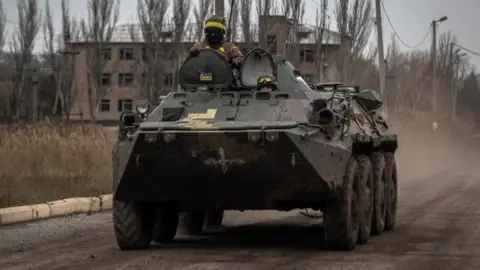
Ukrainian troops have now withdrawn from Siversk, an embattled town in the Donetsk region, following a prolonged and intense period of fighting. The move was announced by the Ukrainian military, which cited the need to 'preserve the lives of our soldiers and the combat capability of units' as Russian forces maintain a 'significant advantage in manpower.'
The loss of Siversk not only represents a tactical setback for Ukraine but also brings Russian troops closer to the strongholds of Sloviansk and Kramatorsk, two of the last cities within Ukrainian control in the industrial Donetsk region. This shift has heightened concerns as Russian military operations intensify across multiple fronts.
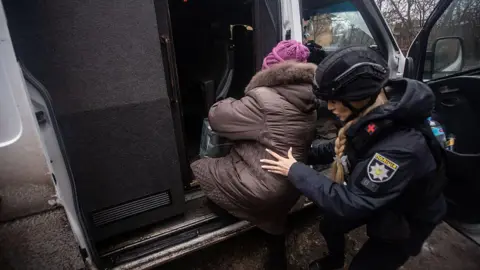
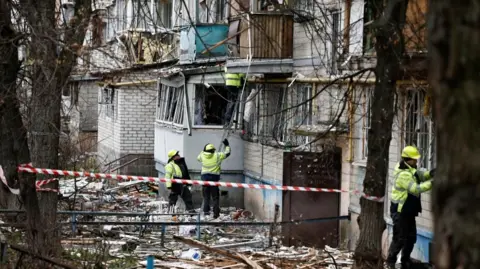
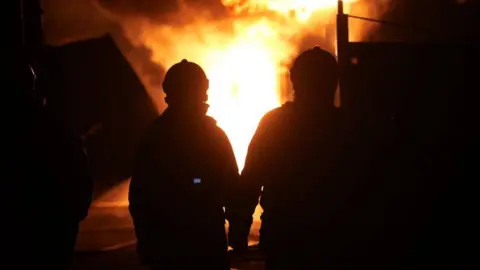
Earlier on the same day, devastating Russian drone and missile strikes resulted in multiple casualties across Ukraine, including the deaths of three individuals, among them a young child. The scale of the attacks underscores the severe challenges facing Ukraine as it grapples with ongoing assaults.
Since the onset of the Russian invasion in February 2022, the conflict has led to Russia controlling approximately 20% of Ukraine’s territory, with recent reports indicating that they now occupy around 75% of the Donetsk region and nearly all of Luhansk.
The Ukrainian military remarked that despite suffering significant losses, Russia continues to conduct 'active offensive actions' in the Siversk area. Prior to the invasion, Siversk had a population of about 11,000, but ongoing combat has virtually decimated it.
As winter approaches, worsening energy crises threaten Ukraine's infrastructure, with emergency power shutdowns likely as temperatures plummet. Ukrainian officials are urging citizens to conserve energy as a means to enhance resilience during these challenging times.
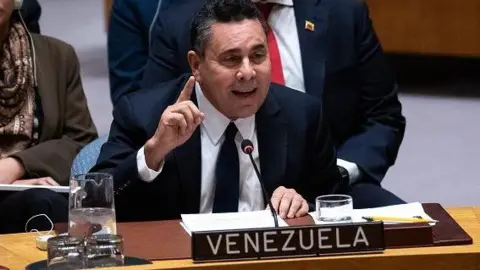
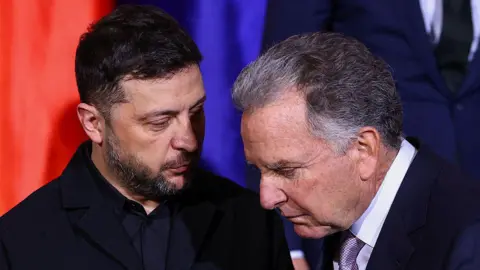
Moreover, Ukrainian President Volodymyr Zelensky faces immense pressure in ongoing peace negotiations, particularly concerning territorial integrity in the Donbas region. Despite calls for potential compromises, he has firmly resisted any territorial concessions, advocating instead for security guarantees in any peace agreements.