In brief
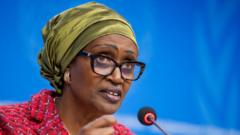
UNAids Executive Director Winnie Byanyima highlights alarming projections from US funding cuts, warning of 2,000 daily new infections and over six million additional deaths in the upcoming four years.
The article details the severe implications of cuts to US funding for international HIV programs, voicing concerns over a potential reversal of progress in the global fight against HIV. UNAids Executive Director Winnie Byanyima warns that halting foreign aid, including key HIV programs, will have devastating impacts, particularly on women and girls. The US has historically been the largest funder in this sector, and the current cuts could lead to an alarming increase of 2,000 new HIV infections every day and over six million deaths across the globe in the next four years. Byanyima cautions that the recent decrease in funding marks a regression to challenging times reminiscent of the 1990s when access to HIV medications was severely limited in poorer nations. The abrupt changes to the funding landscape – which came to light after President Trump halted foreign aid reviews – have already led to the shutdown of essential treatment programs and mother and baby clinics in Africa, as well as shortages of life-saving anti-retroviral drugs. In her remarks, Byanyima cited the case of Juliana, a young woman in Kenya, whose employment and healthcare options evaporated following the suspension of U.S.-backed programs. With reports from the World Health Organization indicating that countries like Nigeria, Kenya, and others could deplete their HIV medicine supplies, the urgency for a funding reversal is palpable. The UNAids chief's appeal for restarting aid is echoed by warnings from South Africa's Treatment Action Campaign, which stresses the critical need for secure access to HIV treatment services. Byanyima further proposed a partnership with the Trump administration involving the marketing of a new, US-developed HIV medication, Lenacapavir, as a potential avenue to restore funding and support. This reduction in aid is not an isolated issue; other UN agencies are grappling with similar funding cuts, affecting their operations and progress on various global health issues.