US Launches New Strikes on Iran Amid Trump’s Threat of Retaliation
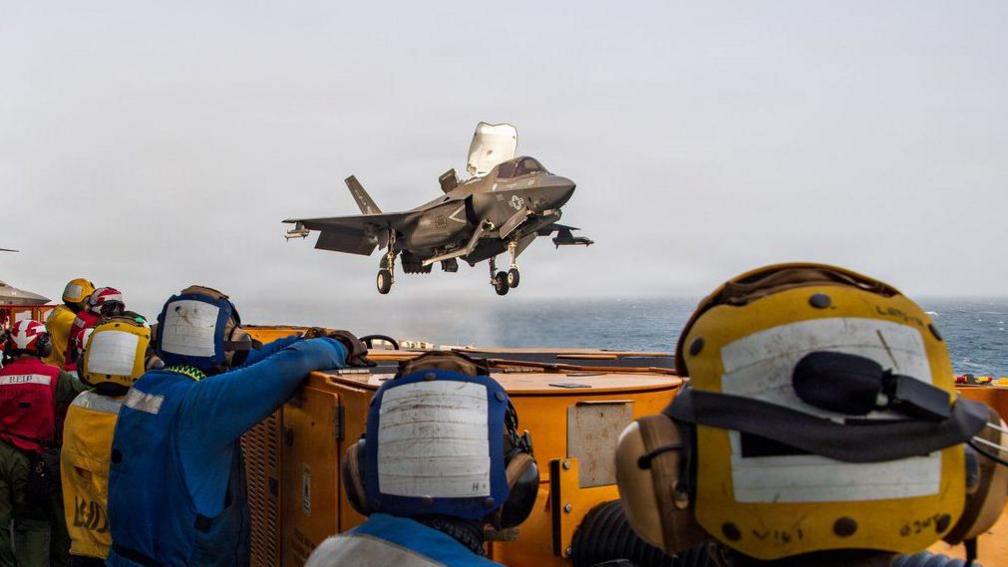
During a night of continued military action, US forces have struck Iranian targets, claiming to weaken the nation’s capacity to attack vessels in the Strait of Hormuz.
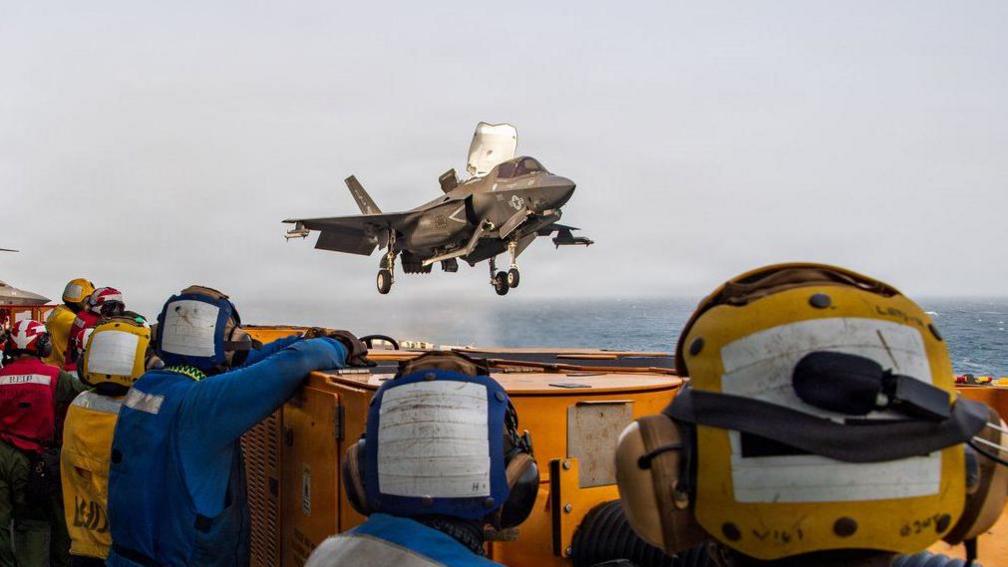
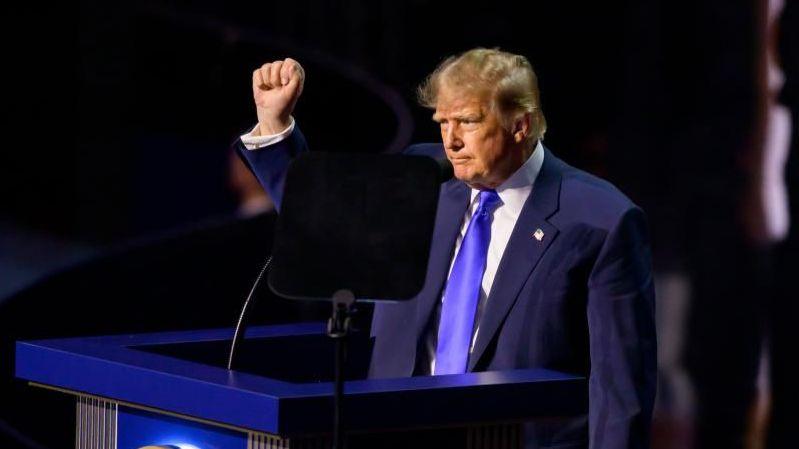
The latest attacks mark the tenth consecutive night of U.S. strikes, following President Donald Trump’s public promise to “pay many times over” for the deaths of three U.S. soldiers. Two of the casualties died in Jordan and the other in Iraq, prompting Trump to describe his response as “in honour” of the fallen.
National Iranian radio and television reported that Iranian forces targeted sites across Bahrain, Jordan and Syria, while Iranian President Masoud Pezeshkian declared that the country was now engaged in a “full‑scale war” with the United States. Tehran also maintained that diplomatic channels remained open, despite the collapse of a cease‑fire agreement.
Regional allies have responded to the escalating conflict: Jordan’s armed forces shot down three incoming Iranian missiles, and Kuwait intercepted drones launched by Iran. Bahrain reported that drones struck its air navigation systems, although commercial traffic continued unabated.
During the prior U.S. strike, Iranian semi‑official news agency Tasnim cited damage to several cities, including Tabriz, Chabahar, Konarak, Bandar Mahshahr and Bandar Imam Khomeini. Iranian state media additionally claimed that two oil tankers had exploded while attempting to transit the Strait of Hormuz, a statement contested by U.S. Central Command.
With tensions in the Middle East on a sharp edge, the United States and its regional partners plan further operations while cautioning against an expanded conflict that could destabilise the region.