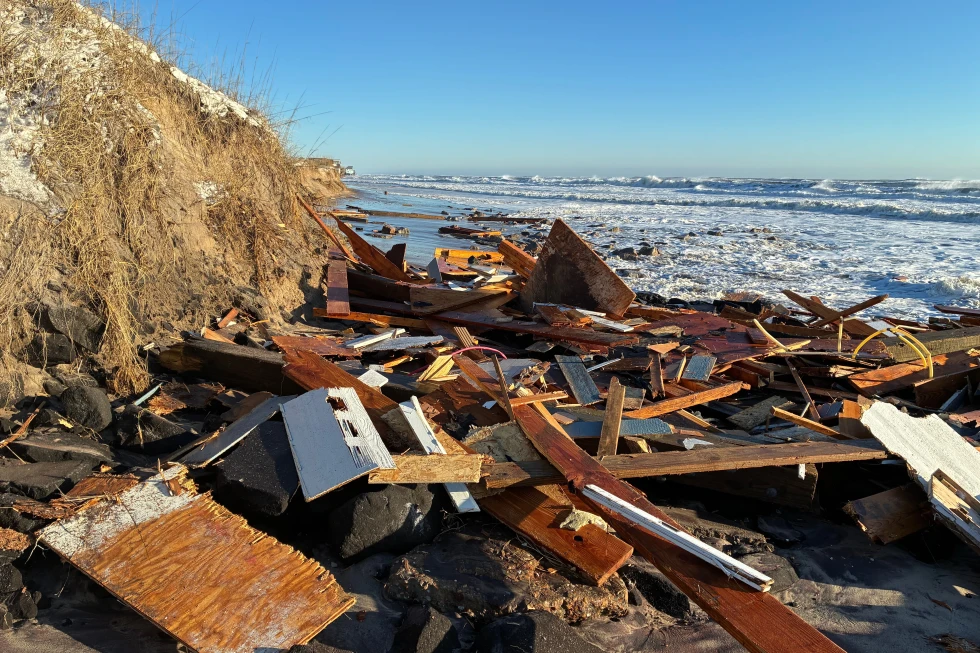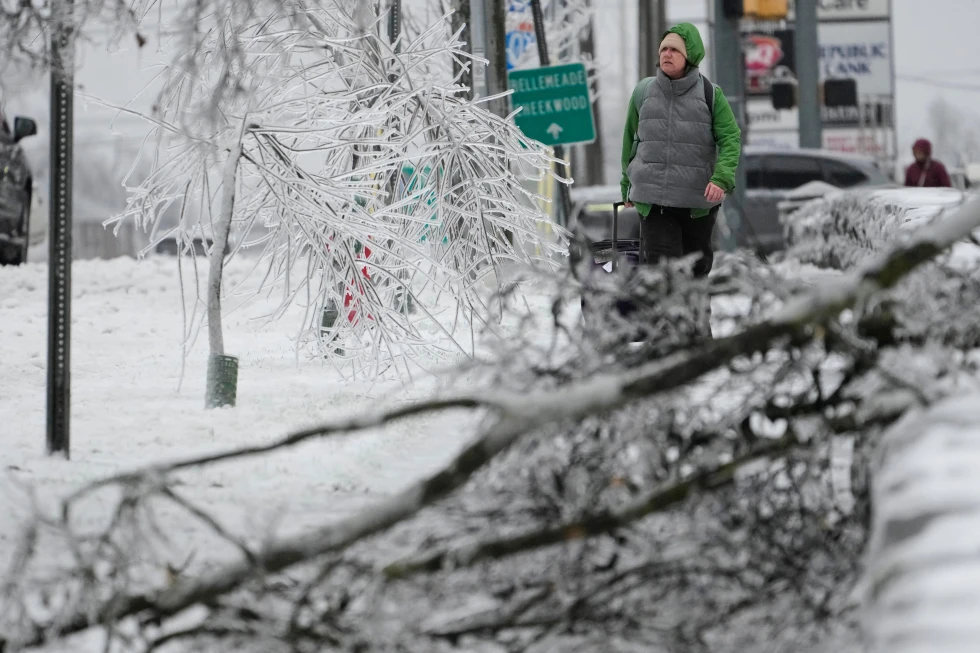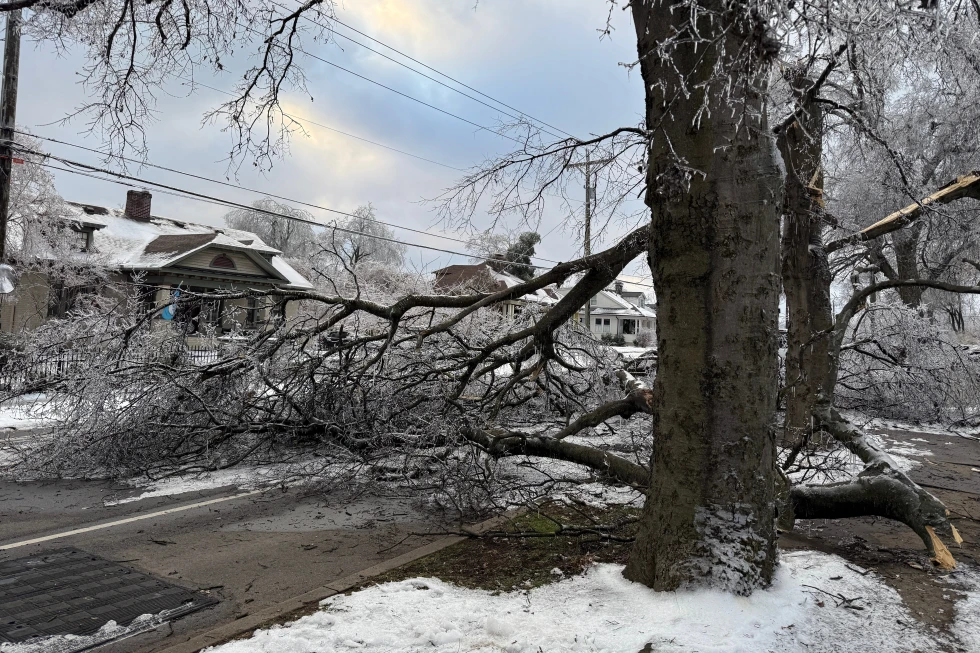
More than 160 million Americans are expected to face an unusually brutal winter storm from Friday, with heavy snows and freezing rains forecast.
The storm is expected to sweep through much of the United States, leaving extremely dangerous conditions in its wake as it tracks eastwards from the High Plains and Rockies, according to the National Weather Service (NWS).
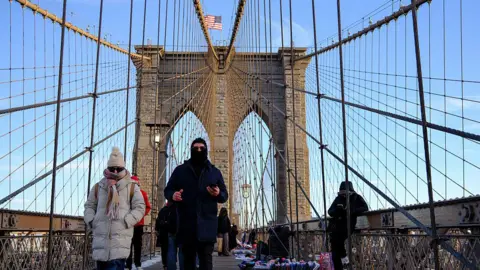
The NWS warned that the Arctic blast will bring sub-zero temperatures and wind chills that pose a life-threatening risk of hypothermia and frostbite to exposed skin.
US transportation officials, including airport authorities in several major cities, have warned of weekend travel disruptions, delays, and cancellations.
The winter storm is forecast to move slowly across the US, blanketing cities including Memphis, Nashville, Washington DC, Baltimore, Philadelphia, and New York with snow.
Heavy snow is predicted through the Southern Rockies and Plains, into the Mid-Atlantic and reaching the Northeast.
According to the NWS Probabilistic Precipitation Portal, regions that could see more than a foot of snow stretch from Colorado to West Virginia to Boston.
Numerous low temperature records are likely to be broken, with the coldest wind chills potentially falling below -50F (-46C) across the Northern Plains. A much wider area of the southeastern US is also forecast to experience freezing temperatures.
Governors in several US states, including Arkansas, Georgia, Texas, North Carolina, and South Carolina, have declared states of emergency, allowing emergency officials to begin mobilizing response efforts, including National Guard troops.
Some airlines have offered passengers the option to change their flights without incurring extra fees due to concerns about cancellations.
Motorists should avoid driving over the weekend, with travel expected to be nearly impossible during the peak of the storm, warned NWS meteorologists Rich Otto and Tony Fracasso.
Meanwhile, freezing temperatures are already gripping Canada, with snowfall expected in east and Atlantic regions on Monday, according to meteorologist Geoff Coulson.