In brief
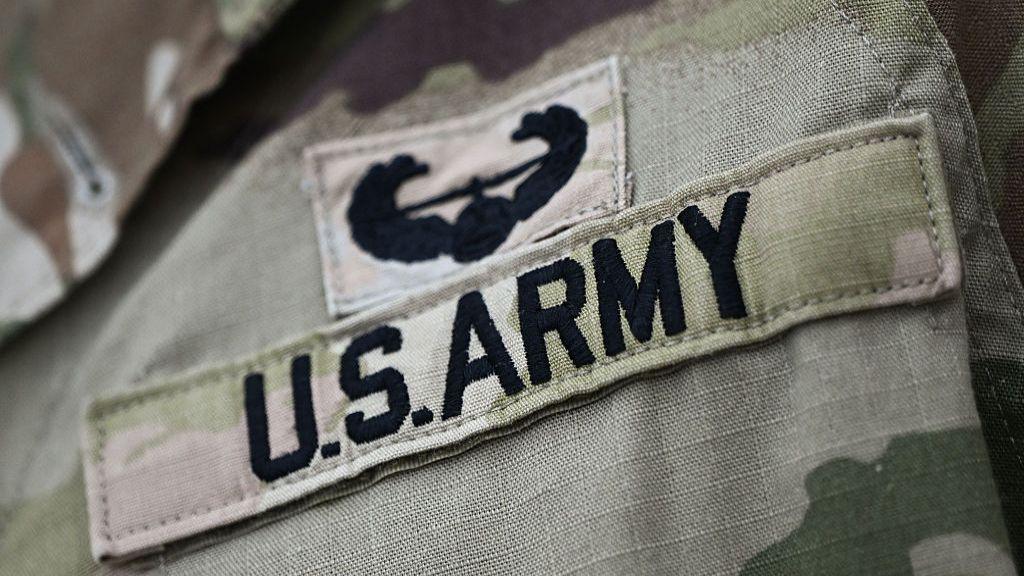
The United States announced the withdrawal of most of its troops deployed in Nigeria after a joint operation that closed in December was deemed successful. The campaign, which involved strikes on Christmas Day, led to the death of senior Islamic State commander Abu‑Bilal al‑Minuki and disrupted the group’s leadership structure. While Nigerian officials say the pull‑back will not affect their counter‑insurgency momentum, intelligence sharing with Washington will continue. U.S. commanders described the mission as a clear win, citing significant degradation of IS command and communication capabilities. US personnel already operating in the region remain on ground duty to counter both jihadist activity and other criminal violence spreading across Nigeria.
In a decisive move, the United States announced the withdrawal of the majority of its ~200 troops stationed in Nigeria as part of a counter‑insurgency campaign against Islamist militants.
The joint operation, launched in December and intensified on Christmas Day, led to the elimination of senior Islamic State commander Abu‑Bilal al‑Minuki and significant disruption of the group’s local command structure.
While the pullback could have been a blow, Nigeria’s military spokesperson said it would not affect the momentum against insurgents, emphasising ongoing intelligence exchanges with Washington.
Chief of Staff Air Forces in Africa Gen. Dagvin Anderson described the mission as a success, noting that the insurgents’ leadership was “significantly degraded” and their ability to communicate is now limited.
Despite the withdrawal, US personnel already operating in the region remain on ground duty, maintaining a forward presence to counter not only IS but also banditry and criminal violence spreading through central and southern Nigeria.