In brief
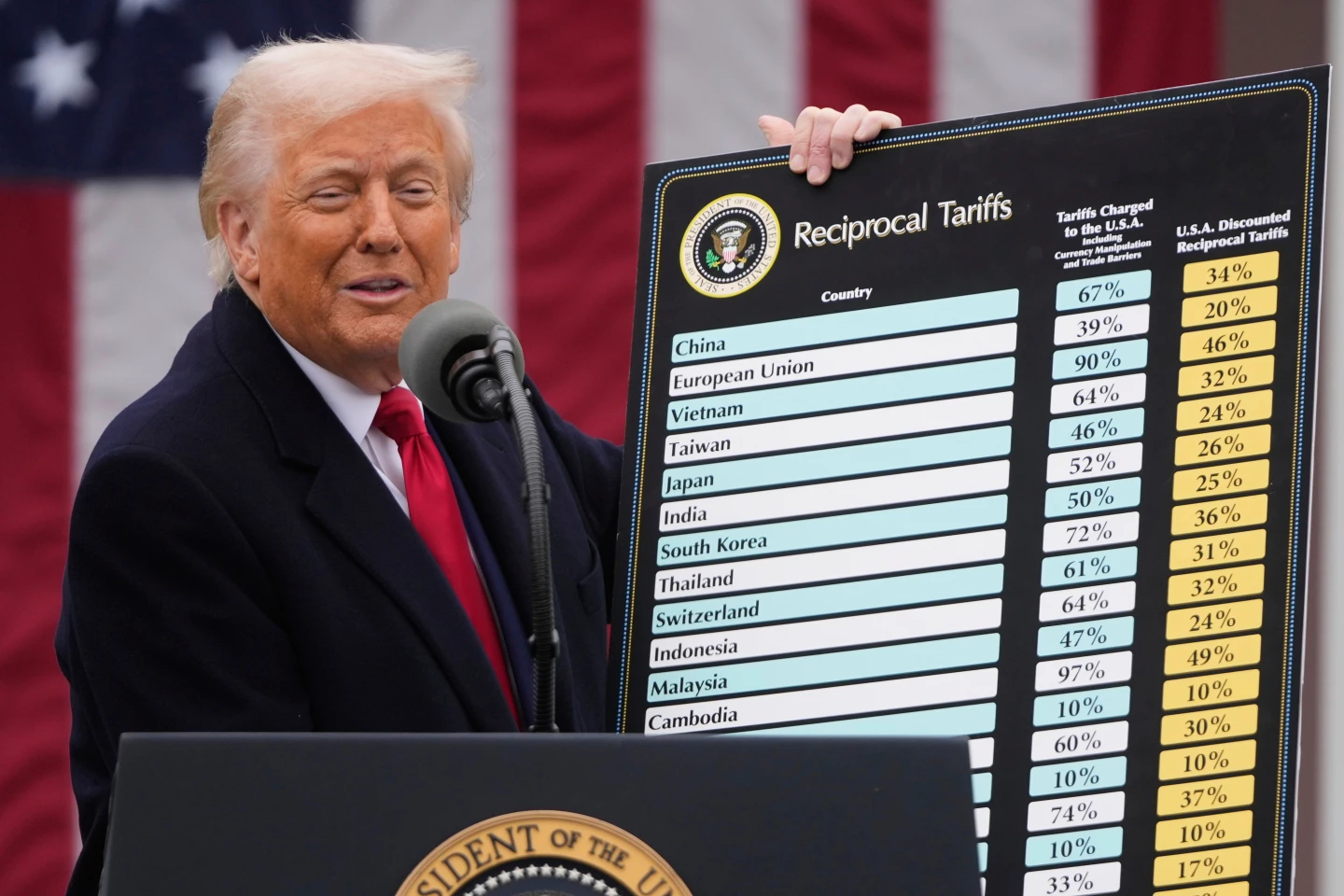
President Donald Trump's use of tariffs has been a cornerstone of his foreign policy, employing them as tools to influence global relations. With the Supreme Court set to adjudicate whether these tariffs exceed his legal authority, the outcome could reshape his administration's approach to international trade. Trump's concerns over the case's implications reveal his view of tariffs as vital to the U.S.'s economic and geopolitical standing.
WASHINGTON — President Donald Trump views tariffs not just as trade tools but as leverage in international relations. His administration employs them to influence foreign governments, making significant economic and diplomatic strides.
In an unprecedented approach, Trump has utilized tariffs to foster foreign policy goals, linking them to key issues such as drug trafficking and international warfare ceasefires. From exerting pressure on countries like Brazil and Canada to securing promises on border security, his tariff strategies have incited both support and backlash.
The upcoming Supreme Court hearing delves into whether Trump's aggressive use of tariffs violates the bounds of his authority. Critics argue that many judges have already indicated he overstepped his legal limits, casting uncertainty on the administration's use of the International Emergency Economic Powers Act (IEEPA) for implementing tariffs.
Trump, anticipating a 'disaster' if the Court rules against him, claims his actions fall within lawful exercises of executive power that safeguard American interests. Yet, he hints at the unprecedented nature of his use of tariffs, which diverges from historical precedents employed by past administrations.
Experts suggest that the Court's decision could disrupt long-standing trade partnerships and potentially alter geopolitical dynamics, as countries reassess agreements made under the Trump leadership.
As the nation stands on the brink of a decision that could reshape international trade policies, Trump continues his tariff-aligned tactics, illustrating the complexities and consequences of utilizing such powerful economic tools.