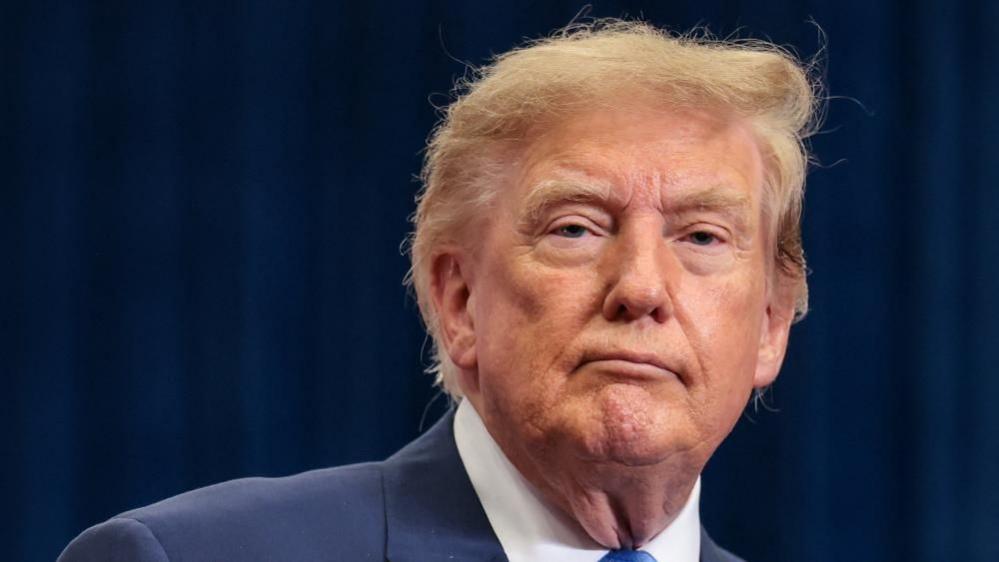
In the summer of 2025, Donald Trump’s sons launched Trump Mobile, a new U.S. consumer‑electronics venture. Their first product, the T1 smartphone, was billed as a ‘Made in the USA’ device that would be built domestically and shipped to customers within months.
Since the announcement, details about the phone’s assembly line, design specifications and delivery schedule have shifted repeatedly. The company initially claimed production would begin in a Chicago‑based factory, but later revisions cited a different U.S. location and extended the build‑to‑ship timeline by a nearly year‑long horizon.
Thomas Copeland, a senior executive at Trump Mobile, recently spoke to reporters about the delays: “We’re still finalizing the supply chain and quality‑control protocols,” he said. “Customers who ordered pre‑payments are still awaiting their first units, but the company is working to accelerate production.”
The shifting claims have sparked questions about the company’s supply‑chain strategy and its ability to compete with established brands that have global manufacturing networks. Analysts note that a U.S.‑made smartphone, while appealing to domestic consumers, faces higher cost challenges and supply‑chain bottlenecks, especially given the global semiconductor shortage that began in the early 2020s.
As Trump Mobile moves into the next quarter, investors and consumers alike will be watching closely to see whether the T1 can honor its promises and secure a foothold in a crowded smartphone market.