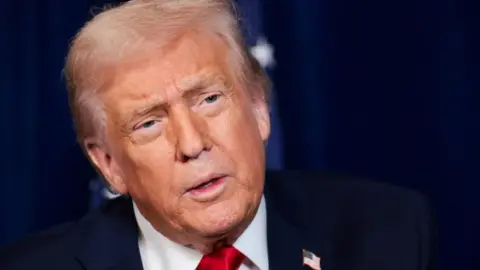
WASHINGTON (FlashPoint) — President Donald Trump issued his first vetoes of his second term on Tuesday, rejecting two bipartisan bills that were largely seen as uncontroversial until the Trump administration’s intervention. The vetoes have raised eyebrows regarding their implications of political retaliation against lawmakers who have crossed him on other significant issues.
The first bill, sponsored by Republican Rep. Lauren Boebert from Colorado, was designed to improve access to clean drinking water in eastern Colorado. This move by Trump comes after Boebert, typically a loyal ally, had revealed files related to convicted sex offender Jeffrey Epstein, leading to a rift between her and the president.
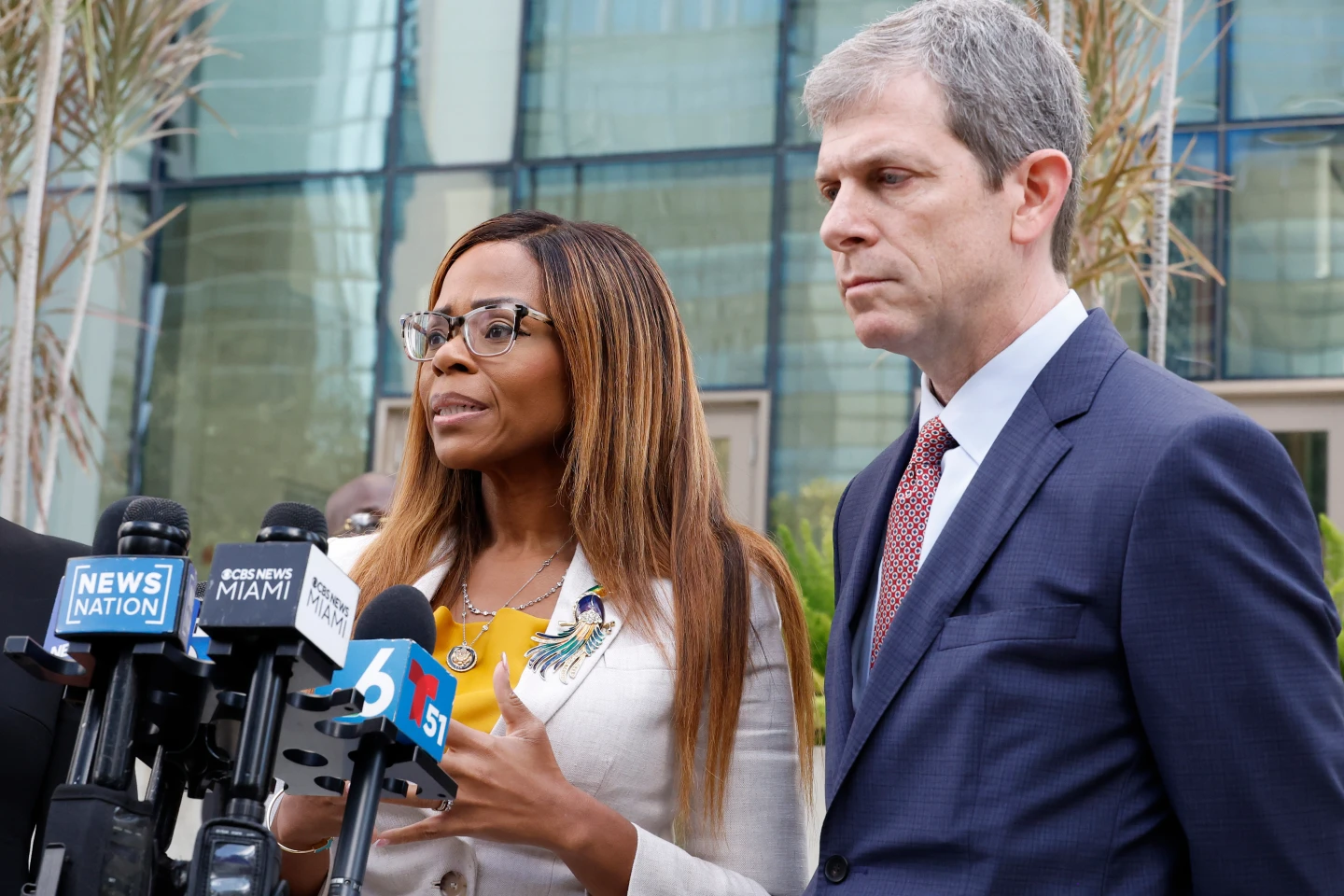
Additionally, Trump vetoed another piece of legislation aimed at granting the Miccosukee Tribe of Indians in Florida greater control over its lands. This tribe has been vocal in opposing the administration’s policies, particularly surrounding an immigration detention center situated in the Everglades.
Trump's veto letters indicate his dissatisfaction with the tribal group's actions, claiming they had actively sought to obstruct reasonable immigration policies supported by his administration. The vetoes have prompted speculation on whether this is a case of political revenge against those who opposed him, especially given the bipartisan support these bills had received.
Boebert publicly responded to the veto, suggesting it may be a retaliatory measure, saying in a statement, “I sincerely hope this veto has nothing to do with political retaliation for calling out corruption and demanding accountability.”
Despite bipartisan support, it remains uncertain whether Congress will successfully override Trump's vetoes, given the political dynamics ahead of the midterm elections where many lawmakers will seek Trump’s backing.
The essential focus now lies on whether both bills will see their intended outcomes achieved—or if they’ll remain casualties of a fraught political landscape.