
In brief
In a shocking reflection of the Trump administration’s stringent immigration policies, recent observations indicate a rise in courthouse arrests. These newly revealed tactics illustrate how asylum seekers are being taken into custody immediately after hearings, often resulting in distressing separations from their families. With judges being dismissed for perceived leniency and due process concerns mounting, many believe the immigration court system is being undermined to fulfill strict deportation quotas.
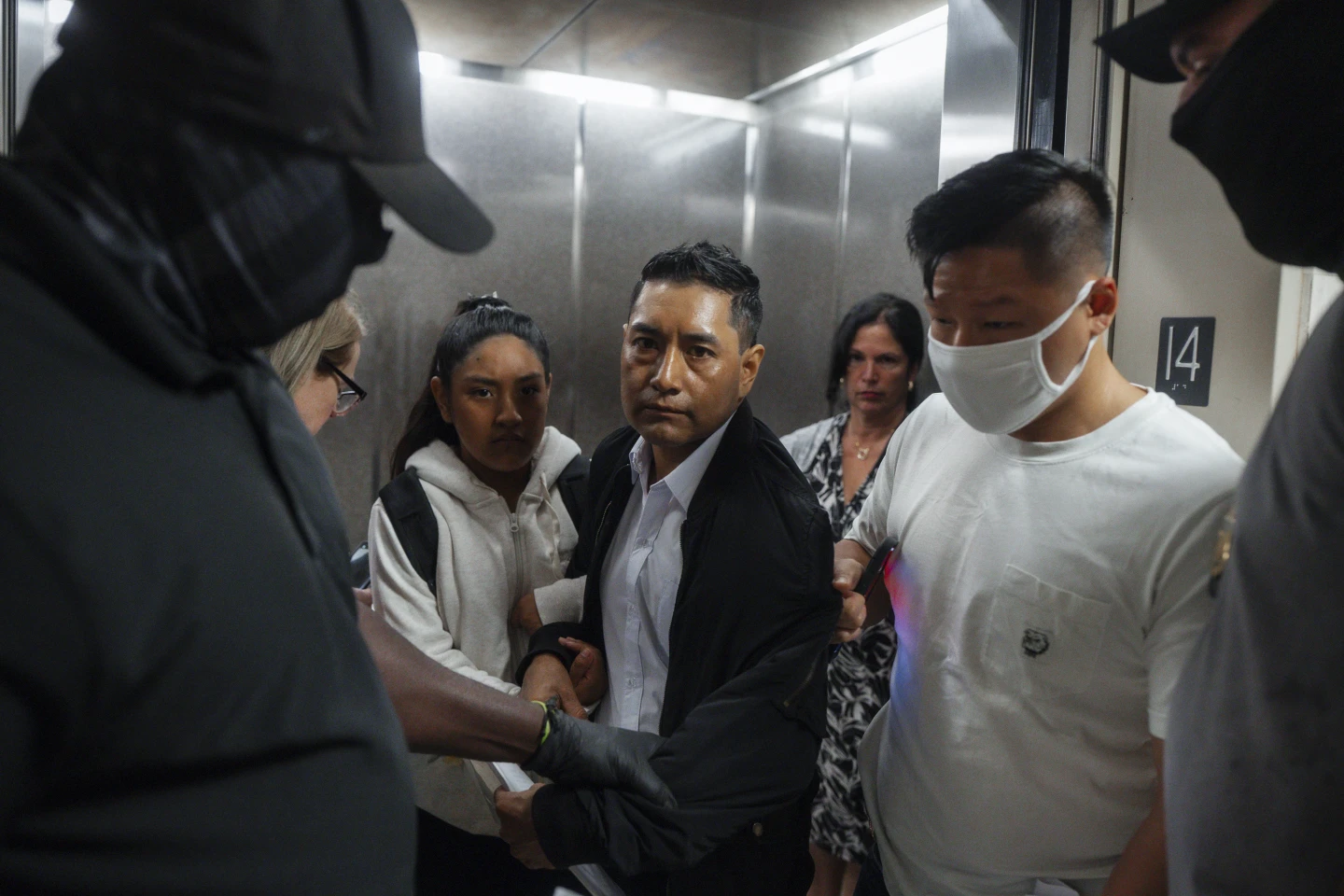
This year, reports have emerged regarding alarming practices occurring within immigration courthouses across the United States under the Trump administration. Observations from various court proceedings outline a pattern where immigration cases are dismissed, facilitating the immediate arrest of migrants by federal agents just outside courtroom doors.
One distressing incident involved a Cuban man who arrived at court for what he believed was a routine hearing. Instead, he was met by agents who swiftly detained him after a judge dismissed his asylum claim, leaving his family frantic and in tears.
The Associated Press documented numerous such cases, with reports highlighting significant emotional trauma experienced by families forcibly separated at the very moment they sought legal protection. Observers noted that many migrants, fearing similar fates, have started to avoid court appearances altogether.
Concerns are not limited to the migrants themselves; many attorneys now express unease about the legality and ethics of these procedures. Reports indicate that participation in these coercive practices has spurred government attorneys to reevaluate their roles.
“I can’t do this,” expressed one government attorney via text, reflecting the emotional toll of these proceedings. The text conversation illustrated how attorneys had to notify agents of case outcomes in real-time, employing texting as a method of coordination that betrayed the expected independence of judicial processes.
Under this emergency system, it has been reported that the government is systematically dismissing cases, with agents targeting lower-risk individuals to meet deportation quotas. This assembly-line approach has drawn criticism from legal experts, indicating a stark degradation of due process.
Several judges have been dismissed under pressure, accused of being too lenient. The reported mass firings begin to paint a picture of an immigration system operating without essential judicial independence, raising alarm over the implications for justice in America.
The ramifications of this strategy extend into federal courts, where the flood of habeas corpus petitions signal that many detainees seek reassessment of their unjust detention. Advocates argue that the carefully maintained procedures and independence of federal courts starkly contrast the chaotic environment fostered under the current administrative changes.
As intense scrutiny continues on immigration policy implementation, the need for a reassessment of the judicial framework in immigration courts is clear. This developing situation demands an urgent examination of the impacts on human rights and the legal integrity that underpin America’s promise of justice for all.

