In brief
In a primetime speech, Trump alleged that Beijing illegally obtained millions of U.S. voter files and threatened that the upcoming midterms could be compromised. He released heavily‑redacted intelligence documents but found no credible evidence of interference in 2020. Chinese officials dismissed the claims as fabricated, while Democrats accused Trump of sowing doubt about the integrity of upcoming elections. The remarks also called for the SAVE America Act to limit mail voting and require proof of citizenship. The speech is unlikely to quell bipartisan concerns over election security.
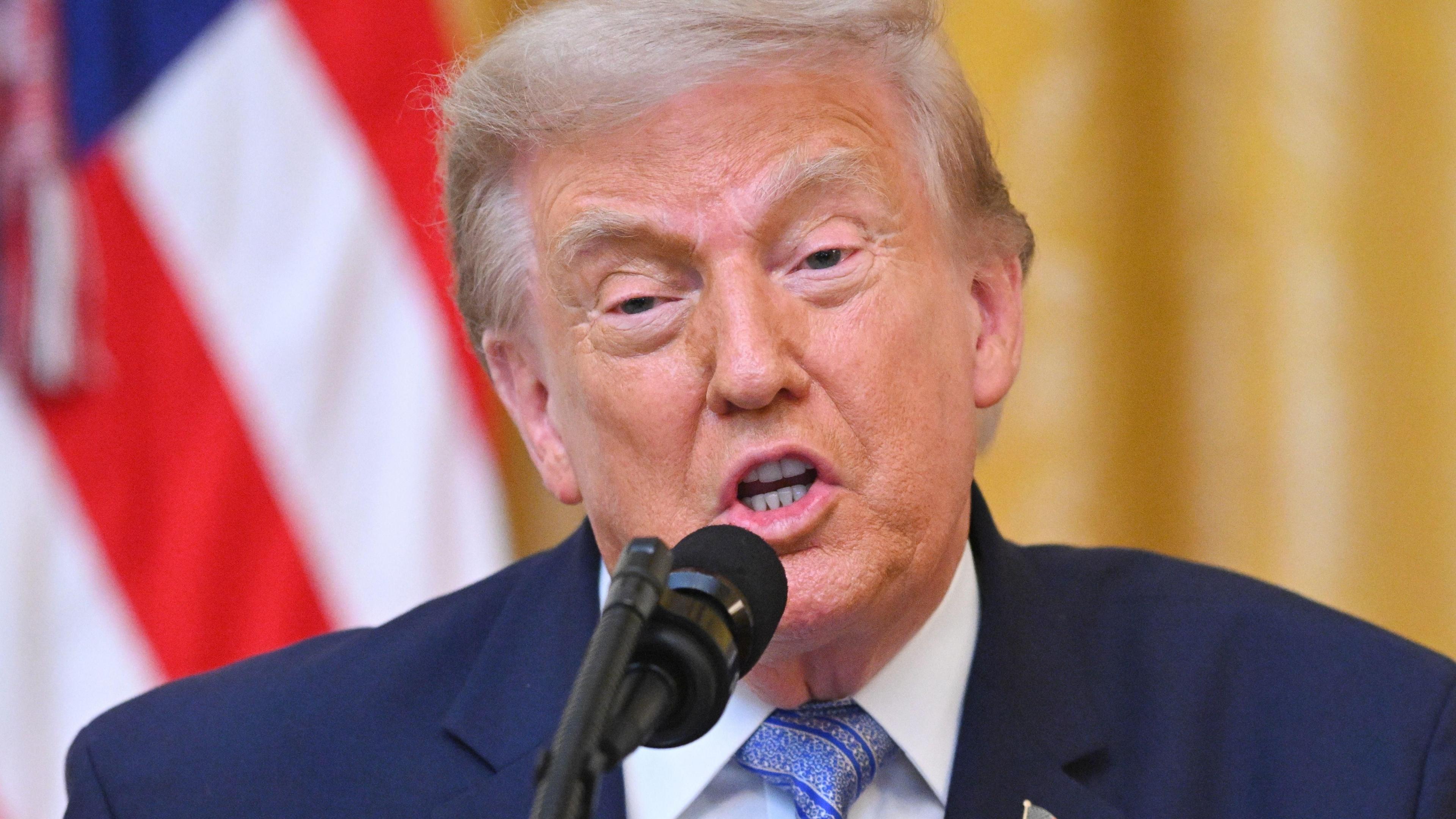
In a primetime address from the White House, former President Donald Trump accused China of attempting to interfere in the 2020 presidential election, claiming that Beijing illegally obtained 220 million voter files from 18 states.
Trump repeated unsubstantiated claims of foreign meddling and said that hundreds of declassified intelligence documents supported his allegations. However, the U.S. intelligence community has consistently concluded that China did not interfere in the 2020 election.
The Chinese foreign ministry categorically denied the accusations, calling them "entirely fabricated" and "malicious smears". In contrast, Democrats decried the speech as a tactic to undermine confidence in the electoral process before the November midterms, which will determine congressional control for the remainder of Trump’s presidency.
"Let’s be clear – in America, voters choose their leaders, not the other way around," said Senate Majority Leader Chuck Schumer on social media after the address, urging that every American voter could cast a ballot freely without interference.
Trump also highlighted alleged vulnerabilities in the U.S. voting infrastructure, claiming that machines were "extremely exposed" to foreign interference from nations including Russia, China and Iran. He cited a Michigan law‑enforcement investigation into voter registration fraud and a claim that 278,000 non‑citizens were registered to vote, though no data was provided on any impact on election outcomes.
The former president urged Congress to pass the SAVE America Act, which would ban most mail voting, require proof of citizenship for registration and mandate photo ID to vote. The bill, however, has stalled in the Senate and faces significant opposition from Republican lawmakers.
The speech came after a Washington Post‑Ipsos poll that showed Trump’s approval rating dropped to 37% and voters expressed frustration over the cost of living and the ongoing war with Iran.
With the 2028 midterms approaching, the U.S. cybersecurity community and election officials maintain that no voting systems were compromised in 2020, and the U.S. Cybersecurity and Infrastructure Security Agency stated that the election was the most secure in American history.