The Promise That Sold the Streaming Revolution
For years, Netflix positioned itself as the talent-friendly alternative to Hollywood — fewer notes, bigger budgets, creative freedom. What it didn’t advertise was the tradeoff. That tradeoff is now at the center of a growing backlash from top creators who say the platform’s revenue model and algorithmic control quietly stripped them of power, pay, and visibility. This isn’t about cancellations. It’s about what happens after a show succeeds.
When a Hit Doesn’t Pay
Creators and showrunners have increasingly spoken out — including during the WGA and SAG-AFTRA strikes — about Netflix’s compensation structure, which relies on upfront fees instead of traditional backend participation. In legacy Hollywood, success meant residuals and long-term upside. On Netflix, a hit can live forever in the library while the people who made it see nothing beyond the original deal.
The Algorithm Decides Who Exists
Multiple creators have raised concerns that Netflix’s recommendation system operates as a black-box gatekeeper, determining which shows are surfaced and which are quietly buried. Titles that fail to spike immediately on internal metrics often disappear from the home screen entirely. To creators, this isn’t neutral data science. It’s control.
Algorithmic Censorship Without the Headlines
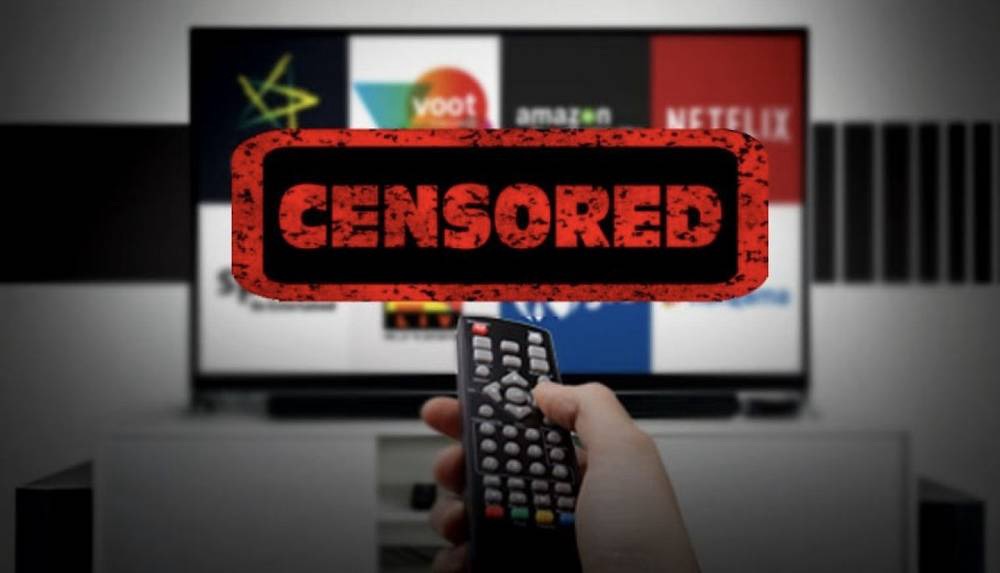
Behind closed doors, creators describe the system as algorithmic censorship — not ideological, but economic. Content that doesn’t feed rapid churn, binge velocity, or short-term subscriber behavior is deprioritized regardless of quality or cultural impact. The message is blunt: create for the machine, or be erased by it.
The Labor Wars Exposed the Cracks
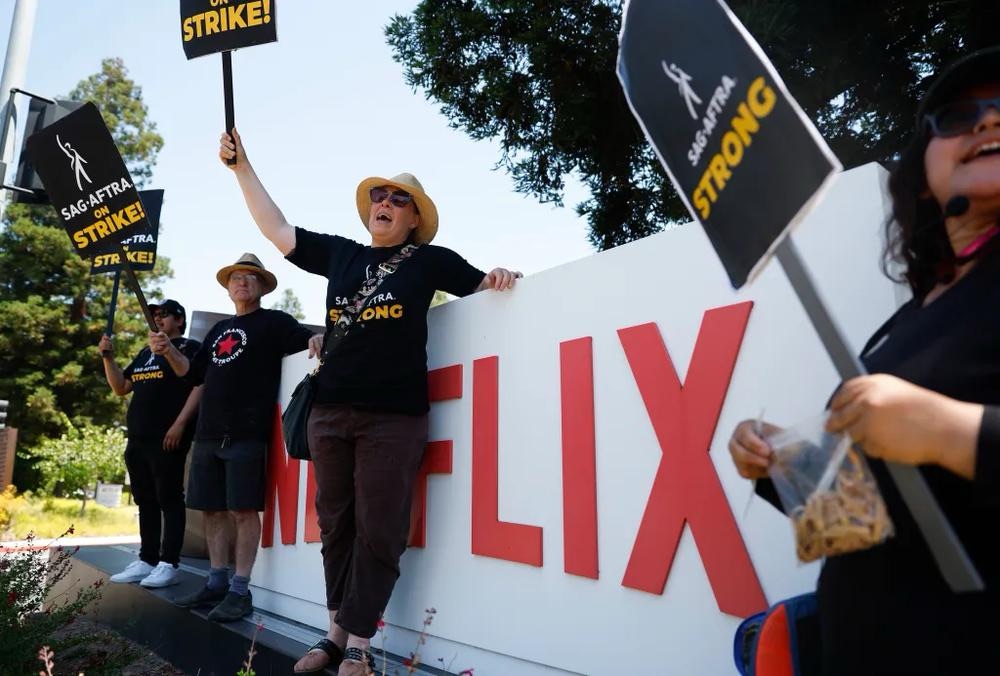
These grievances spilled into public view during the 2023 labor strikes, where streaming residuals and transparency became central demands. Union leaders warned that without reform, the streaming economy risks eliminating the creative middle class altogether.
Where FilmOn Fits Into the Fight
This is where FilmOn re-enters the conversation. Unlike algorithm-first subscription platforms, FilmOn emphasizes live television, archival programming, and direct audience access. Visibility isn’t something creators earn from a machine — it’s built into the platform by design. FilmOn doesn’t promise viral scale. It promises presence.
The Real War Isn’t Over Content
Netflix has not signaled any major reversal, and insiders say the system is essential to scale. But as frustration spreads and alternatives gain traction, the company’s once-disruptive model is starting to look rigid. The fight isn’t about one show. It’s about who gets paid when culture hits — and who disappears when it doesn’t. What’s emerging is no longer a creative dispute, but counterparty risk in a consolidated cultural market.
For years, Netflix positioned itself as the talent-friendly alternative to Hollywood — fewer notes, bigger budgets, creative freedom. What it didn’t advertise was the tradeoff. That tradeoff is now at the center of a growing backlash from top creators who say the platform’s revenue model and algorithmic control quietly stripped them of power, pay, and visibility. This isn’t about cancellations. It’s about what happens after a show succeeds.
When a Hit Doesn’t Pay
Creators and showrunners have increasingly spoken out — including during the WGA and SAG-AFTRA strikes — about Netflix’s compensation structure, which relies on upfront fees instead of traditional backend participation. In legacy Hollywood, success meant residuals and long-term upside. On Netflix, a hit can live forever in the library while the people who made it see nothing beyond the original deal.
The Algorithm Decides Who Exists
Multiple creators have raised concerns that Netflix’s recommendation system operates as a black-box gatekeeper, determining which shows are surfaced and which are quietly buried. Titles that fail to spike immediately on internal metrics often disappear from the home screen entirely. To creators, this isn’t neutral data science. It’s control.
Algorithmic Censorship Without the Headlines
Behind closed doors, creators describe the system as algorithmic censorship — not ideological, but economic. Content that doesn’t feed rapid churn, binge velocity, or short-term subscriber behavior is deprioritized regardless of quality or cultural impact. The message is blunt: create for the machine, or be erased by it.
The Labor Wars Exposed the Cracks
These grievances spilled into public view during the 2023 labor strikes, where streaming residuals and transparency became central demands. Union leaders warned that without reform, the streaming economy risks eliminating the creative middle class altogether.
Where FilmOn Fits Into the Fight
This is where FilmOn re-enters the conversation. Unlike algorithm-first subscription platforms, FilmOn emphasizes live television, archival programming, and direct audience access. Visibility isn’t something creators earn from a machine — it’s built into the platform by design. FilmOn doesn’t promise viral scale. It promises presence.
The Real War Isn’t Over Content
Netflix has not signaled any major reversal, and insiders say the system is essential to scale. But as frustration spreads and alternatives gain traction, the company’s once-disruptive model is starting to look rigid. The fight isn’t about one show. It’s about who gets paid when culture hits — and who disappears when it doesn’t. What’s emerging is no longer a creative dispute, but counterparty risk in a consolidated cultural market.