In brief
After enduring three years of imprisonment in Belarus, journalist Andrei Kuznechyk was shocked to learn that Radio Free Europe/Radio Liberty, the organization that once protected his voice, may soon be forced to close due to an executive order from President Trump. His story highlights the growing challenges from both authoritarian regimes abroad and political changes at home.
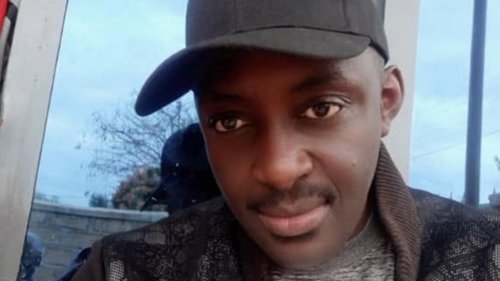
Elation overcame Andrei Kuznechyk when he was freed in February after three years of imprisonment in Belarus, where he was charged with leading an “extremist organization," a label used by authorities against his work at the Belarus service of Radio Free Europe/Radio Liberty. However, as joy turned to sorrow, Kuznechyk realized that his freedom came with the heavy price of exile, living in Lithuania and unable to return to his homeland. His reunion with his 5-year-old son was bittersweet, as the child had forgotten his father.Upon arrival in Lithuania, Kuznechyk was met by the outlet’s president, who offered him support as he faced the reality of starting over, including purchasing new clothes after significant weight loss in prison. The most distressing news was yet to come: Radio Free Europe/Radio Liberty, which has historically stood against authoritarianism and advocated for human rights since the 1950s, may face closure due to an executive order from President Trump.Just one month following Kuznechyk’s release, President Trump initiated a plan to dismantle the U.S. Agency for Global Media, which oversees funding for Radio Free Europe/Radio Liberty through Congress. This unprecedented move signifies a shift, as the organization now faces a threat not only from oppressive regimes like that of Belarus but from the highest levels of the U.S. government, raising serious concerns among journalists dedicated to free expression and accurate reporting.