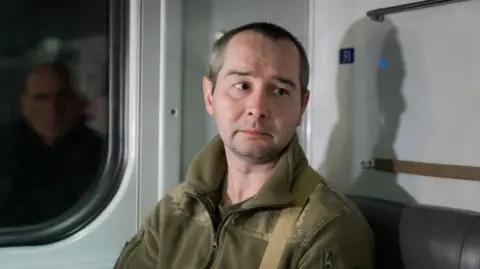
Trains no longer run to Ukraine's eastern Donetsk region - part of the Donbas claimed in its entirety by Russia's President Vladimir Putin. It's another sign of the steady Russian advance.
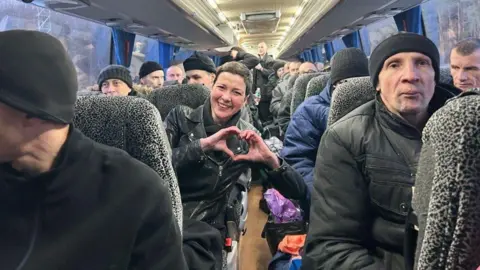
Instead, the last station is now on the western side of the Donetsk border. Civilians and soldiers wait for a ride toward relative safety - seeking to escape the fighting.
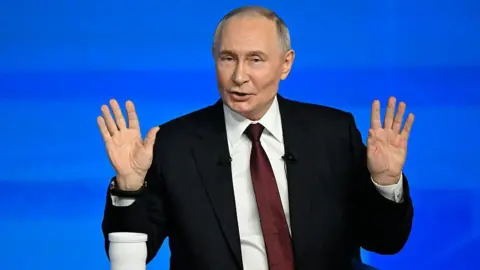
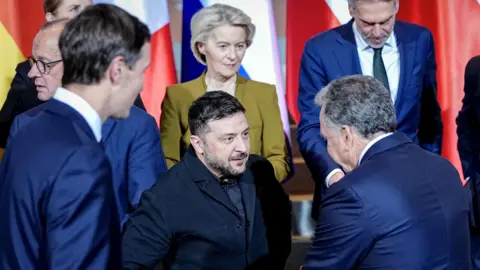
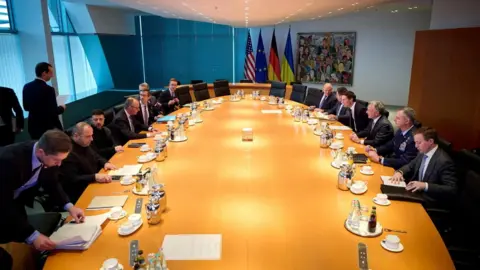
Putin has been sounding more bullish since the leak of US proposals to end the war, widely seen as being in tune with his maximalist demands. Ukraine's President Volodymyr Zelensky says territory remains the most difficult issue facing US-led peace talks.
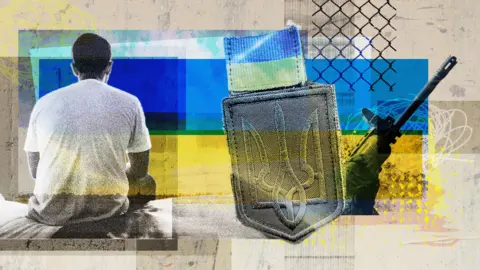
At the last station, soldier Andrii and his girlfriend Polina part after a brief visit, unsure when they will meet again. He dismisses peace talks as mere 'chatter,' believing the war will continue.
The evidence on the ground suggests urgency, as Russian forces control approximately 85% of the Donbas region, with key towns falling. Civilians continue to flee to seek refuge, navigating dangers heightened by increased drone activity.
In conversations with evacuees, conflicting perspectives emerge. Some express willingness to contemplate concessions for peace, while others adamantly refuse to cede territory. The war-weary populace grapples with their dislocation and the emotional toll of an unyielding conflict.
US officials suggest that Ukraine faces significant disadvantages in terms of numbers and resources, prompting fears that the ongoing hostilities may not relent soon.
As despair grows over the current situation, some individuals openly discuss abandoning their homes for the promise of safety, indicating a profound desire for peace, even at a personal cost.
With a backdrop of despair, dreams of return and rebuilding linger, showcasing human resilience amid adversity.