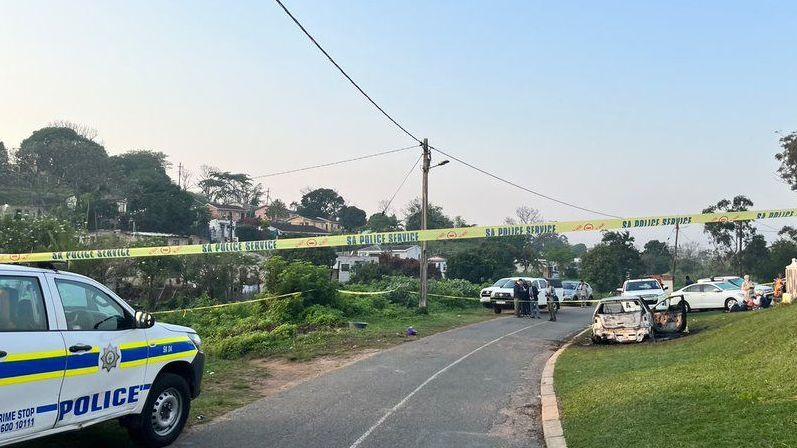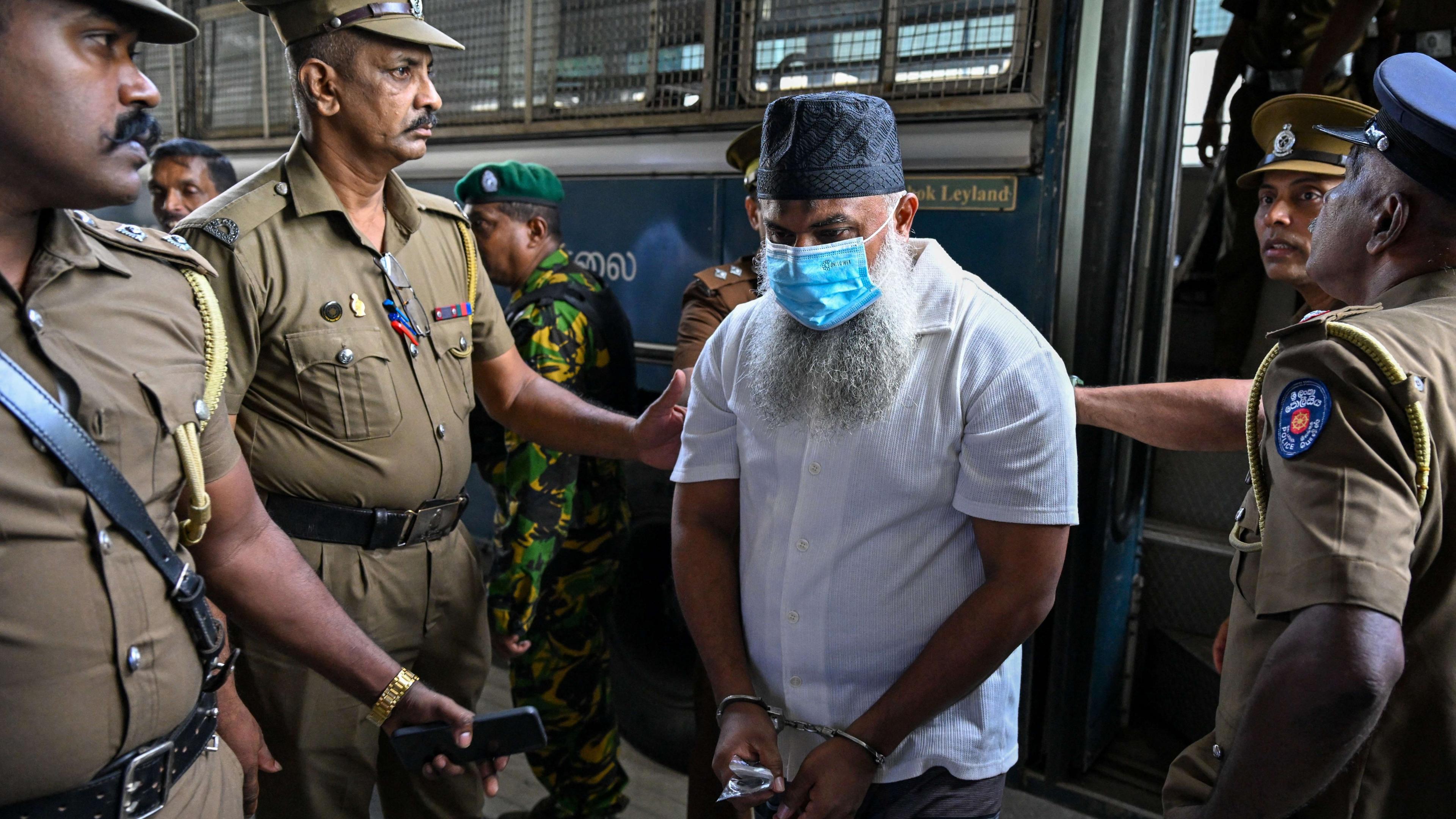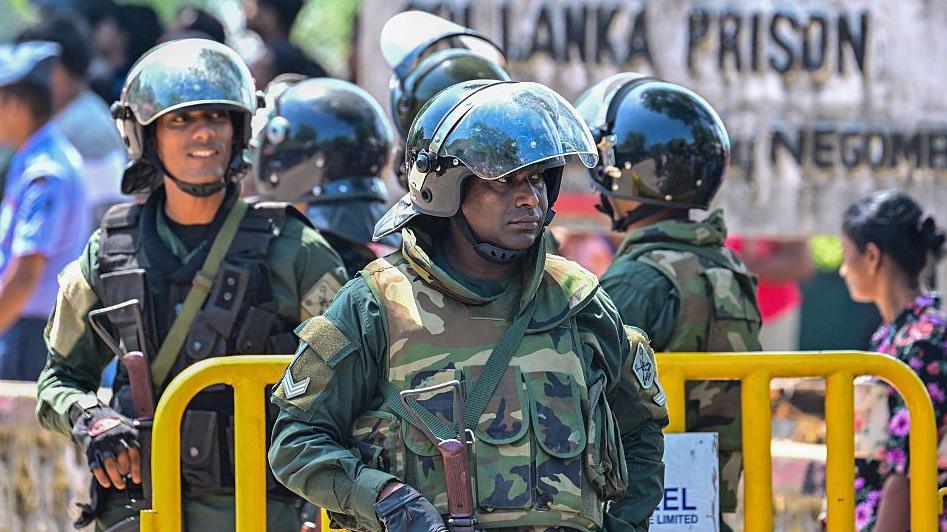
A violent uprising erupted at Negombo Prison on Sunday, killing a total of 26 people—including seven guards—and leaving more than 100 wounded. The incident, which spanned two days, is believed to have been sparked by a clash over an inmate who was rumored to have been an informant on a drug‑trafficking operation inside the facility.
Amid the chaos, prisoners seized weapons that had been assigned to guards. Two inmates were killed during the first day of fighting, while dozens suffered injuries ranging from bullet wounds to cuts and bruises. The riot escalated as groups of male inmates and women from an adjoining unit reached the prison rooftops demanding release, prompting guards to return fire.
Security forces arrived on Monday after inmates attempted to break the prison gates. Multiple shots were exchanged, and the roof of the southern ward partially collapsed, injuring some women who had taken shelter there. Hospitals in Negombo and Colombo received the heavily wounded, including those with gunshot injuries and severe bruises.
Police reports confirm that 23 officers and 54 inmates are currently receiving medical care. As the situation unfolded, families gathered outside the prison; many complained of limited information about the status of their relatives, some of whom may have survived the violence while others are missing or dead.
The military was called in to assist after police requested additional support. Authorities are clearing the prison and have begun transferring inmates to other correctional facilities to prevent further unrest. The commissioner of prisons, AC Gajanayake, announced that steps were being taken to relocate prisoners amid concerns that the riots could spread to other overcrowded facilities.
The Sri Lankan justice ministry is demanding a comprehensive investigation. Justice Minister Harshana Nanayakkara has ordered an inquiry and a formal report to be submitted, underlining the severity of this incident. Historically, prison riots in Sri Lanka have been common, but the scale of this outbreak—the highest in recent memory—heightened the urgency of reviewing prison conditions and security protocols. As of the latest figures, the country’s prisons house 41,250 inmates, quadruple the designed capacity.