
In brief
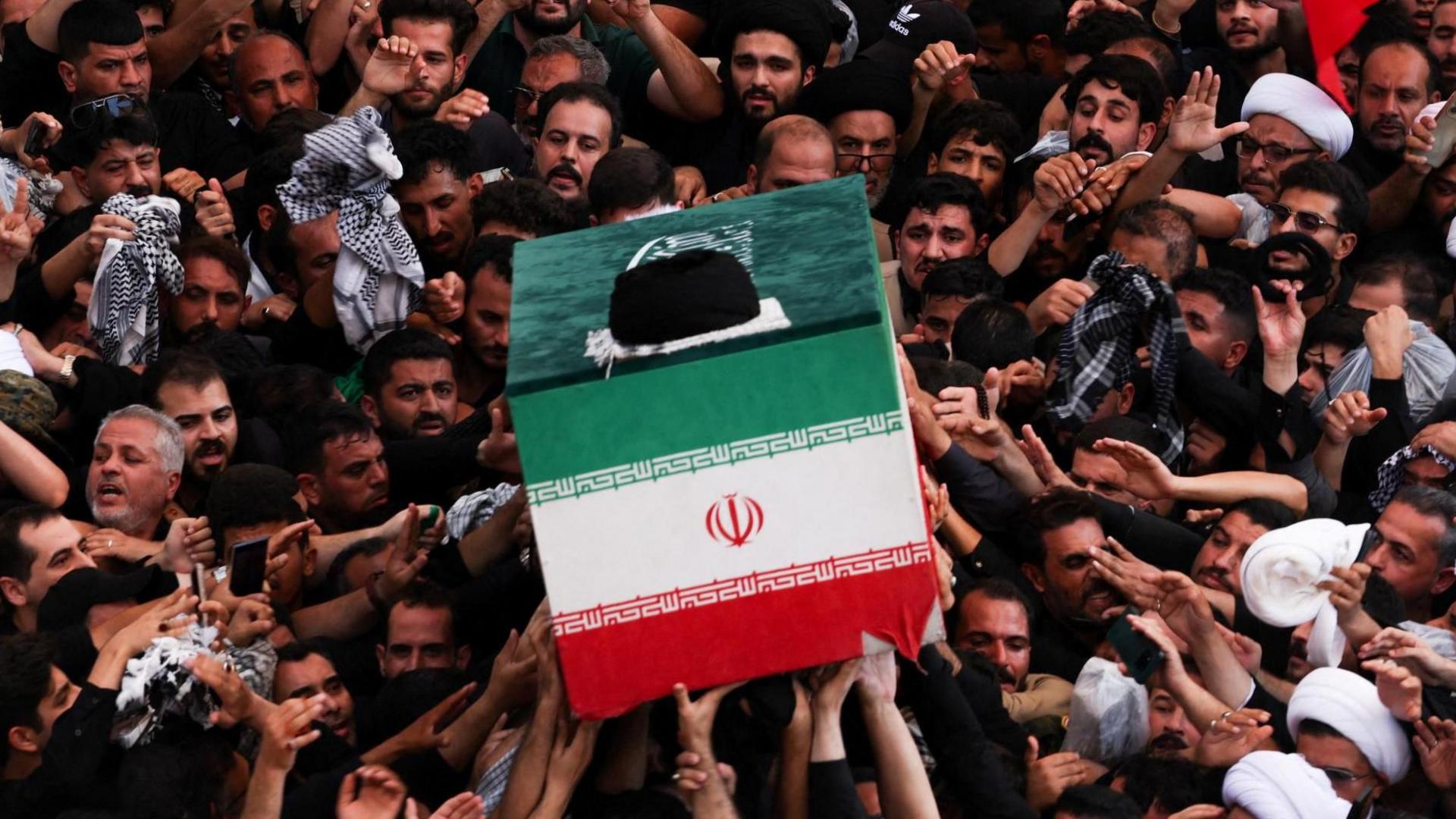
The coffin of Iran’s former Supreme Leader, Ayatollah Ali Khamenei, was moved through the Imam Ali shrine in Najaf and later to the mausoleum of Imam Hussein in Karbala. Tens of thousands of mourners, some chanting anti‑American slogans, pressed to touch the casket inside the halls of these holy sites. A senior cleric led prayers at Imam Ali’s shrine, while the procession to Karbala ended with similar rites. The ceremonies are set to conclude Thursday with burial in Mashhad, the death of Khamenei occurring during a battle that deepened Sunni‑Shia divisions. The event drew a delegation of Iranian officials who arrived to participate, as the region remains tense over recent naval strikes.
The remains of Iran’s former Supreme Leader, Ayatollah Ali Khamenei, were carried through two of the world’s most important Shia shrines in Iraq as funeral ceremonies enter the fifth day.
The procession through Najaf's imam‑Ali shrine drew tens of thousands of mourners who pushed and shoved to reach the coffin. Some shouted anti‑American chants as the casket was carried across the shrine’s marble halls, after which a senior cleric led prayers inside the mausoleum.
The coffin was later flown to Karbala, about 60 kilometres north of Najaf, where another mass procession ended at the shrine of Imam Hussein. The burial is scheduled for the following Thursday in Mashhad, in north‑east Iran, where Khamenei will be interred.
An Iranian delegation headed by President Masoud Pezeshkian arrived in Iraq to attend the ceremonies; the Iraqi Prime Minister welcomed them and declared the day a public holiday. The presence of international delegations reflects the intense regional significance of the funeral amid recent tensions between Iran and the United States over naval strikes in the Strait of Hormuz.
