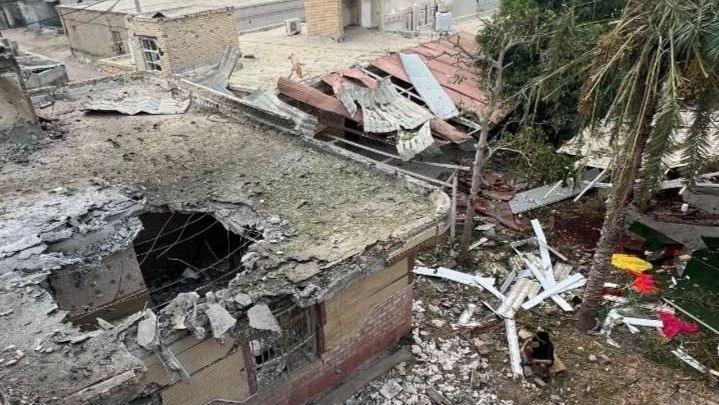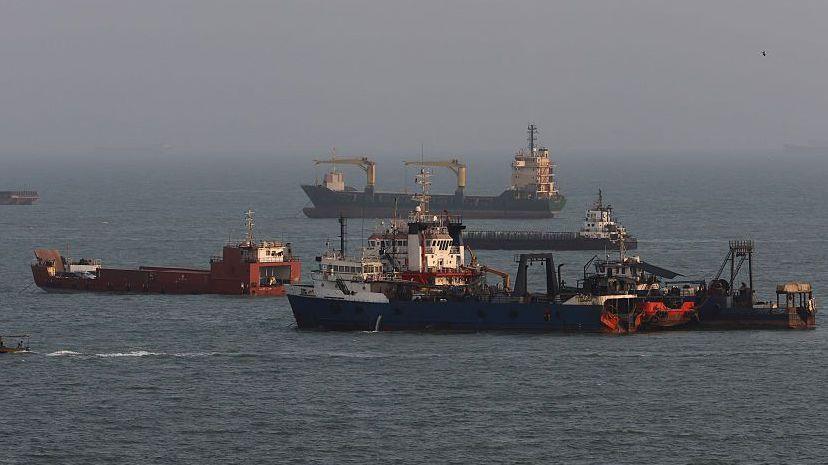
Saudi Arabia launched airstrikes on Friday on the Yemeni port of Hodeida and the nearby island of Kamaran after the Houthi movement, backed by Iran, announced a maritime blockade and attacked Saudi vessels.
Saudi authorities later issued emergency alerts for the Jizan province after the Houthi group claimed responsibility for a missile strike that caused fires in the city.
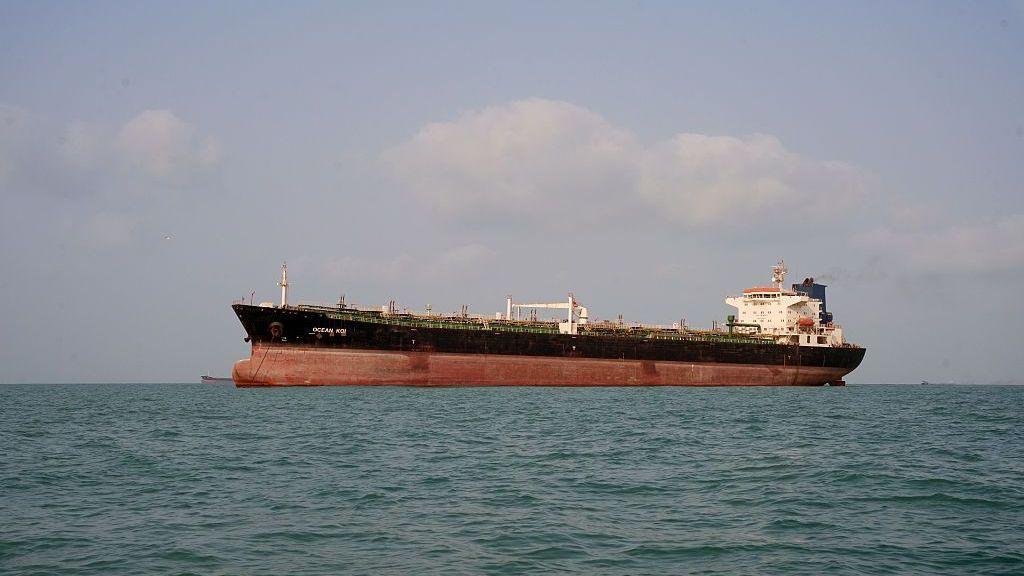
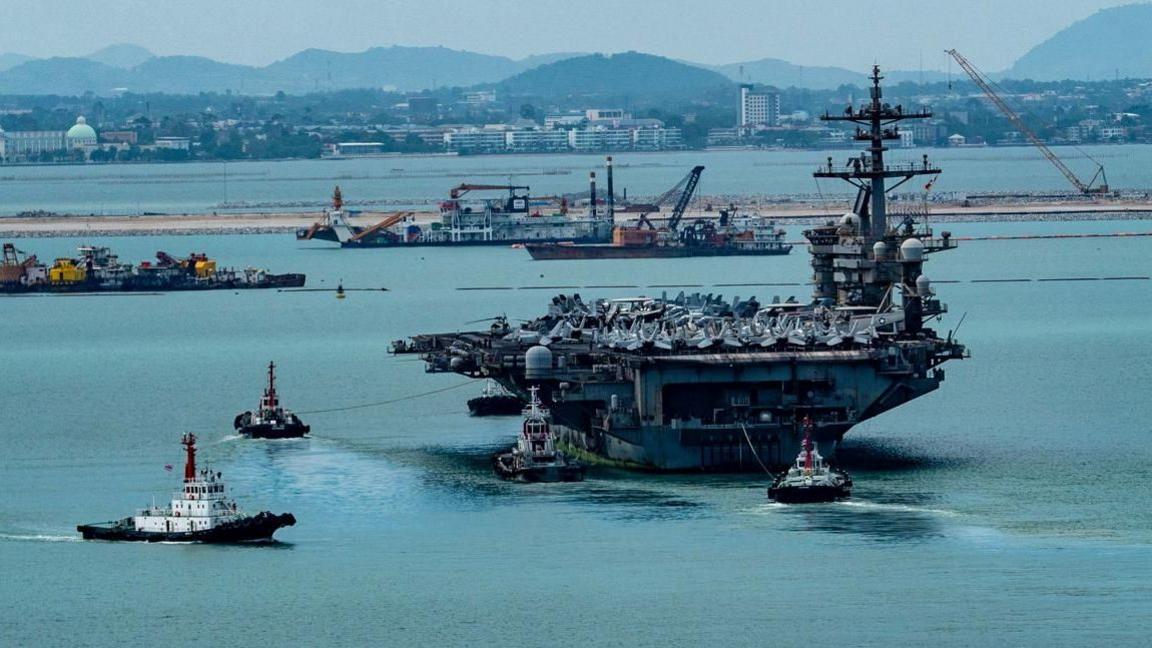
While a Houthi‑legitimate “Yemeni missile strike” was reported on Telegram, a U.S. warship fired on and disabled a tanker in the Gulf of Oman that had tried to evade the U.S. blockade on Iranian ports.
According to Navy Captain Tim Hawkins, spokesman for U.S. Central Command, the tanker was disabled after the crew attempted to run the blockade at least four times, having been warned repeatedly by U.S. forces.
The incident marks the second commercial ship the United States has disabled since it re‑imposed its blockade earlier this month.
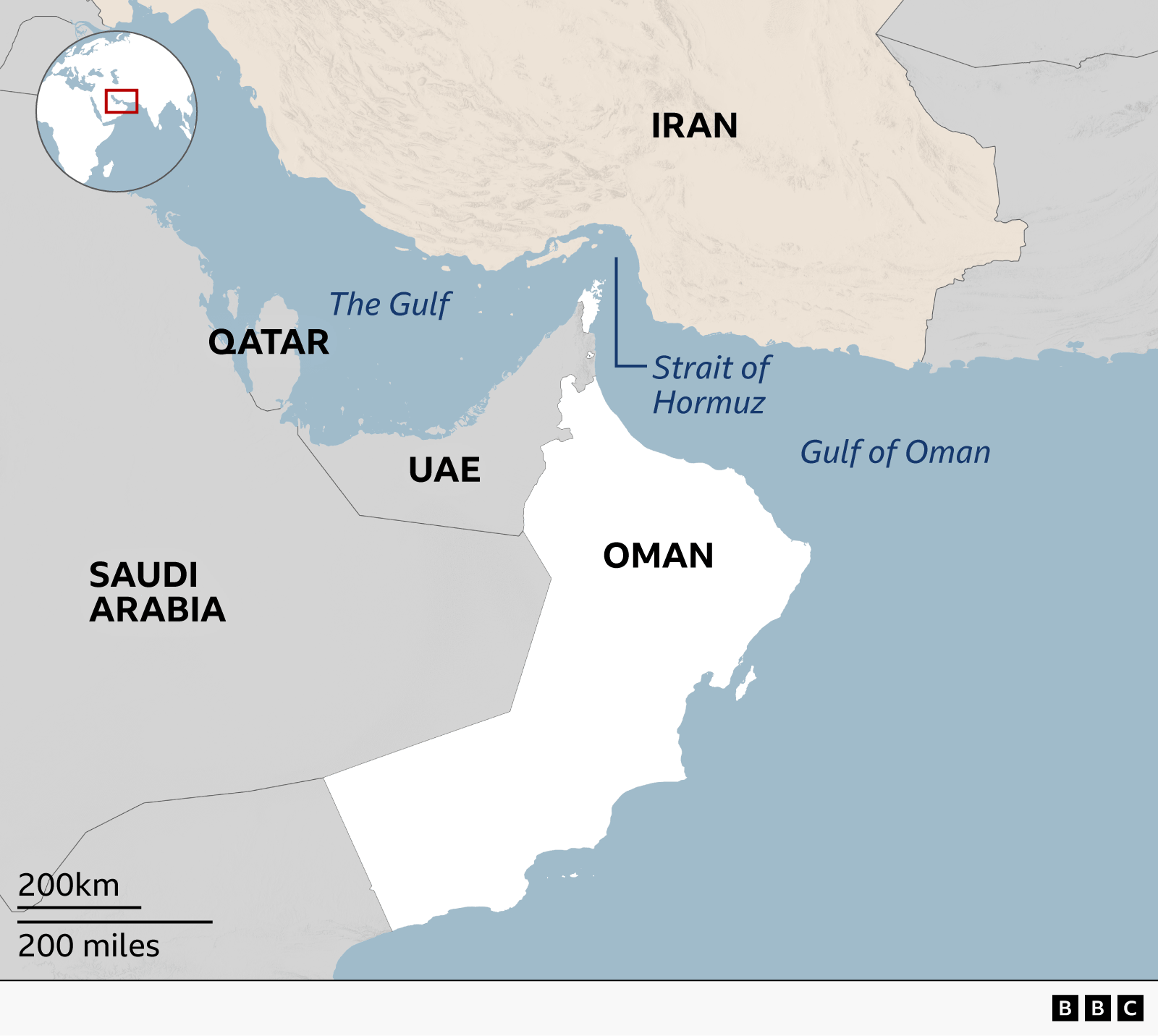
In an attempt to ease tensions over the Strait of Hormuz, a delegation from Oman visited Tehran for talks that may influence shipping lanes, with Oman controlling the strait’s southern coast.
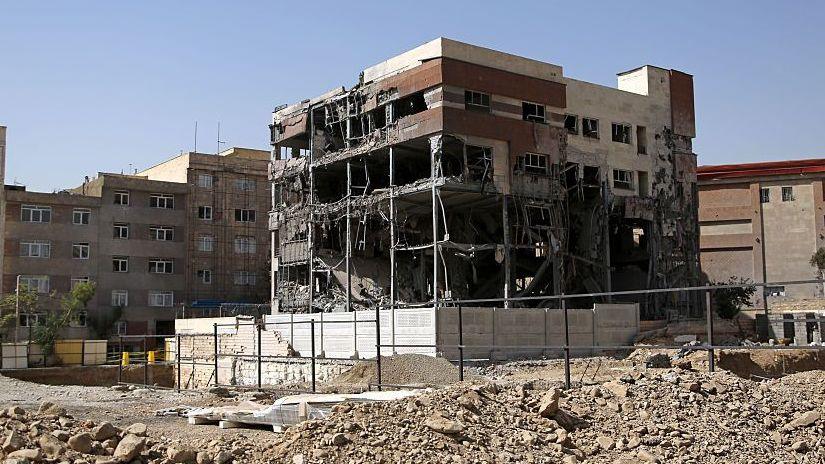
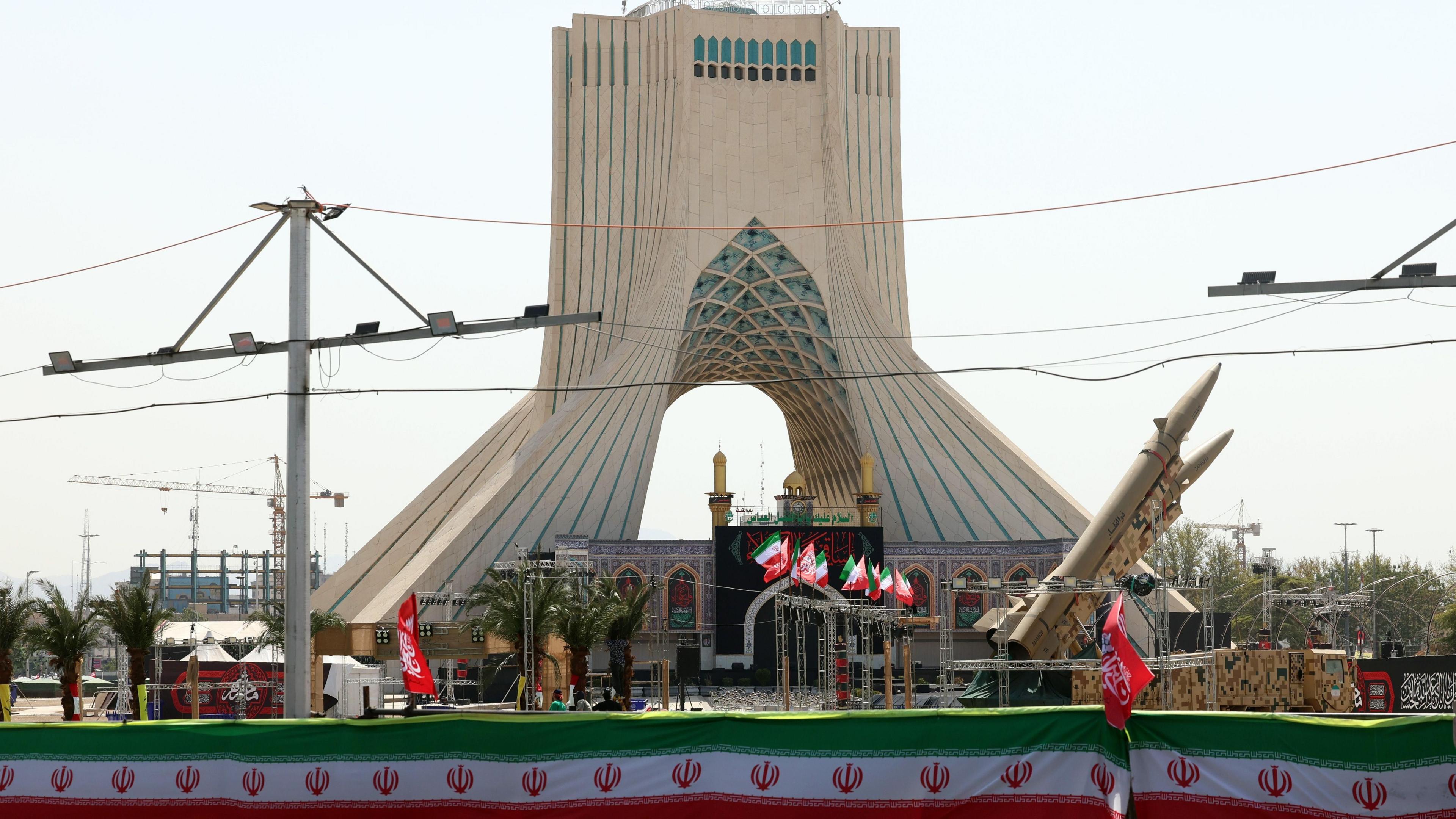
The U.S. and Iran have exchanged fire for almost two weeks after the U.S. launched nightly strikes on Iranian targets. Iran’s IRNA agency reports that Iran carried out drone strikes on U.S. military facilities in retaliation for the 13th consecutive night of attacks.
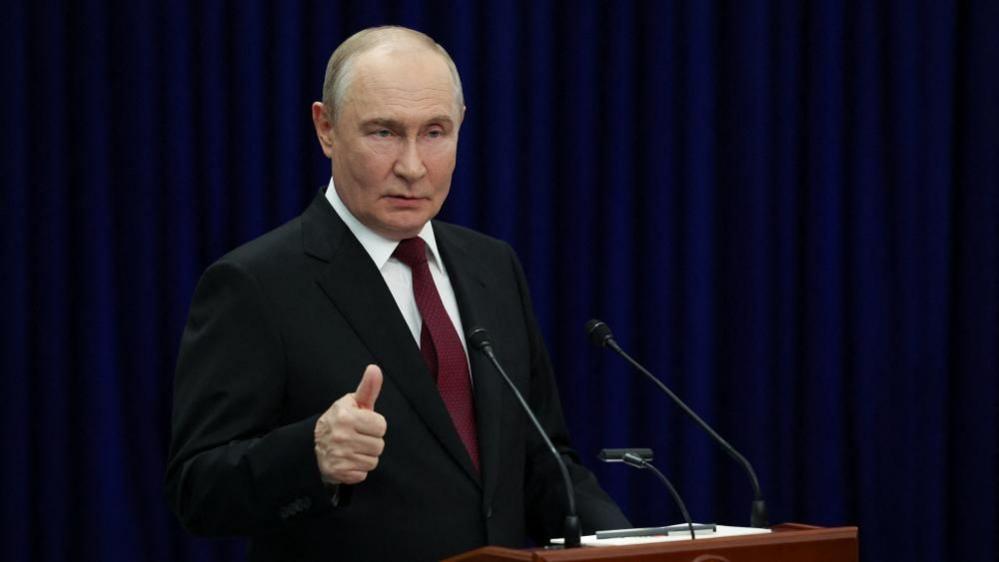
President Trump, speaking at the White House, pledged further U.S. aggression while saying negotiations continue, noting a “smarter strategy” that could lead to a deal but emphasizing readiness for continued conflict.
Oil market volatility is on the rise as shipping fears in the Red Sea push crude to over $100 a barrel for the first time since May, though Brent futures fell to just above $96 after two Chinese‑chartered supertanker’s passage through the Bab el‑Mandeb Strait.
The escalating blame between Saudi airstrikes and Houthi missile attacks was amplified by the Houthi Ansarollah media, which described Saudi strikes as a “dangerous escalation” that would not remain unanswered.
U.S. and U.K. officials plan a London conference next week, with U.S. Defence Secretary Pete Hegseth and Chairman of the Joint Chiefs of Staff Dan Caine slated to attend, per Axios reports. Israeli Prime Minister Benjamin Netanyahu is also scheduled to meet the U.S. president at the White House on Tuesday.
In June, both nations signed a 14‑point Memorandum of Understanding to halt military operations and reopen the Strait of Hormuz, but three weeks later President Trump declared the ceasefire “over” after Iranian attacks on ships in the strait, leading to U.S. strikes in retaliation.