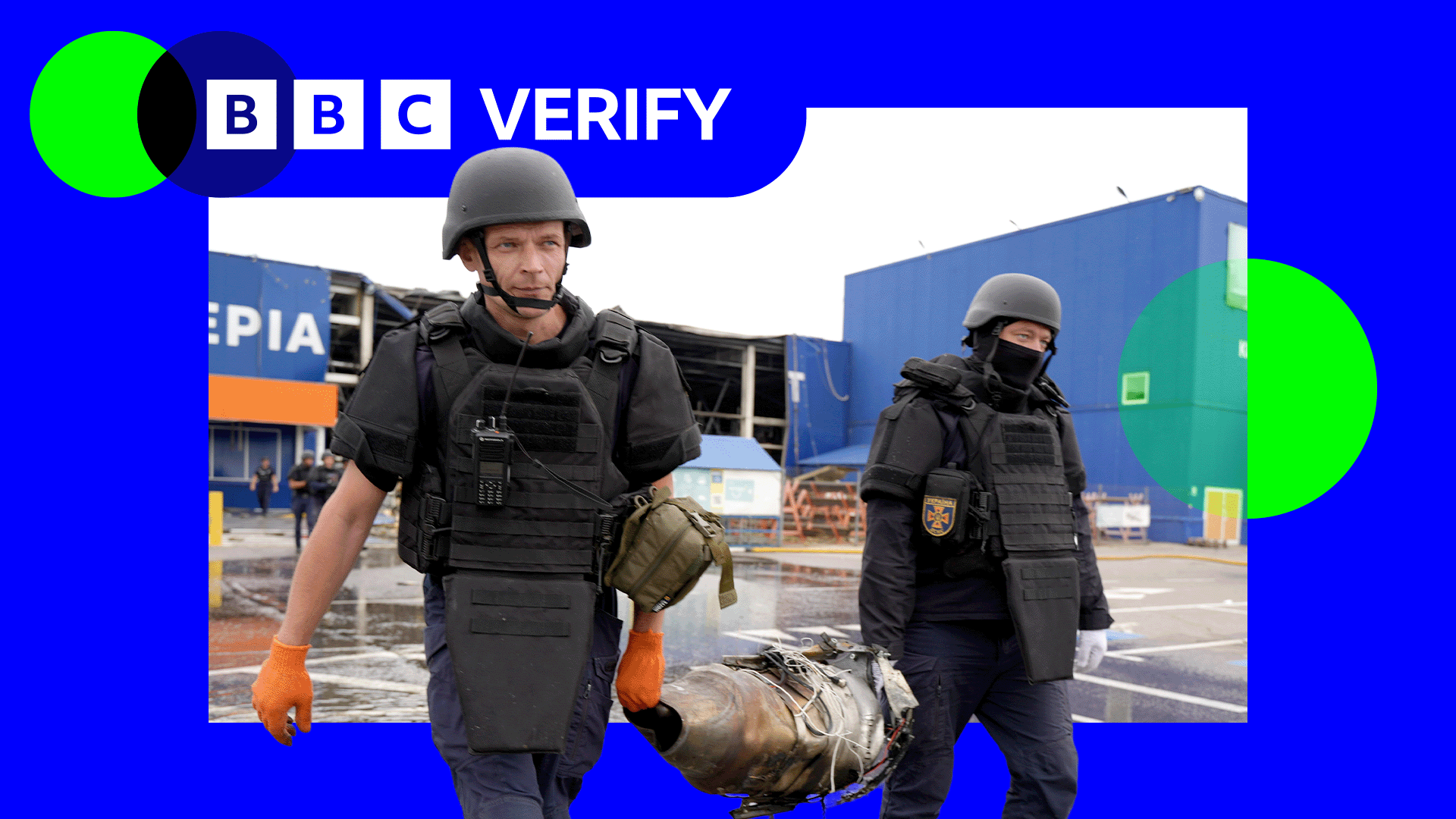
Russia fired its new rapid, jet‑powered drones against Ukraine every day throughout August, BBC Verify analysis of Ukrainian Air Force data has found. This marks the first time daily attacks by Moscow’s upgraded Geran drones were recorded.
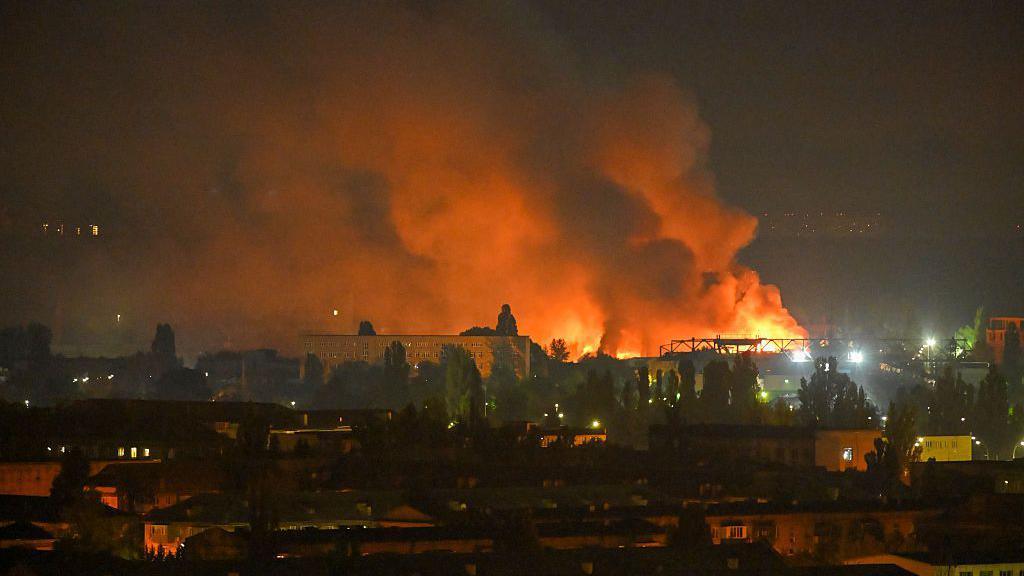
The growing use of jet‑propelled and other varieties of drones prompted President Volodymyr Zelensky to condemn what he called an unfolding "horror" over the skies of Kyiv.
Ukraine’s military reported jet‑powered drone attacks rose from 350 in June to 1,600 in July and 2,800 in August. In five of the nightly attacks in August, these drones outnumbered older, slower models.
"The reason for turning to jet‑powered drones is that they are much faster than the previous generation and it makes it much more difficult for Ukraine to intercept them," said Dr Marina Miron, an expert at King’s College London.
The upgraded munitions can cruise at more than 300mph, well beyond the top speed of Kyiv’s interceptors. The drones are powered by turbojet engines, some of which, Ukrainian intelligence says, come from China.
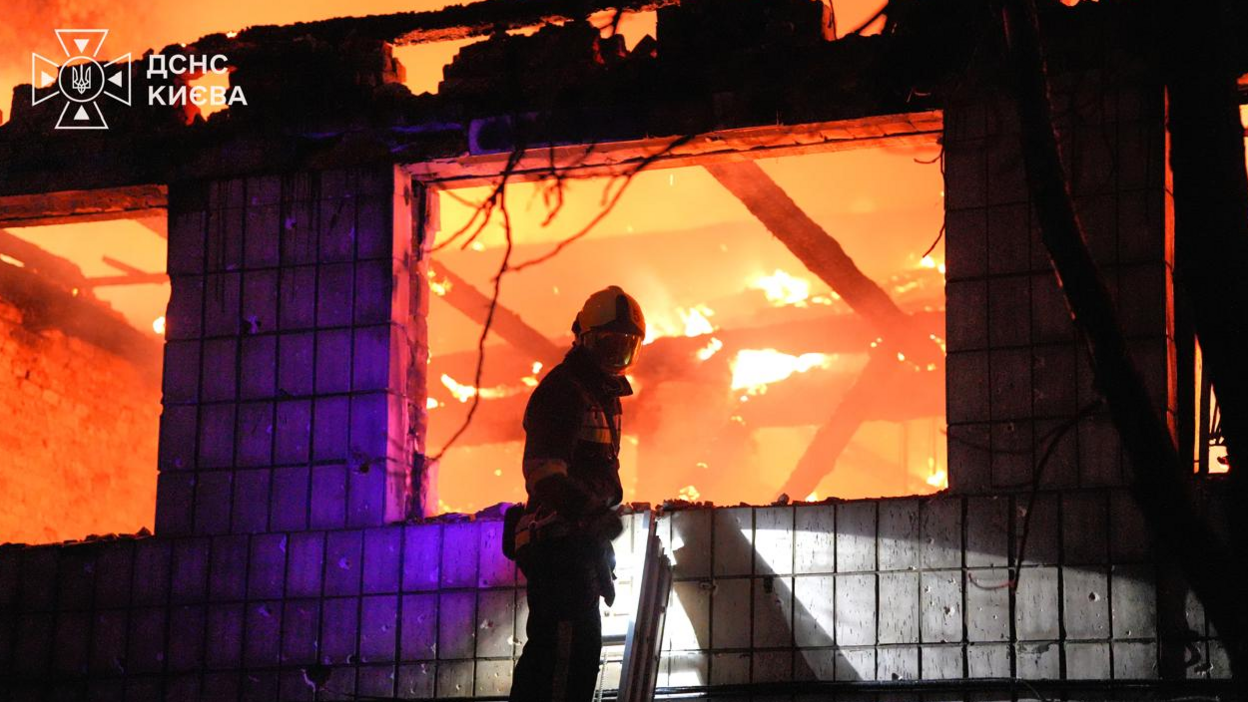
According to Zelensky, the drones were part of attacks that killed at least 12 people and injured 20 on 1 September, including six railway workers at a depot in Kyiv.
Earlier this year Ukraine had a 94% interception rate of long‑range drones, but the speed of the newer drones prompted the latest attacks. On 10 August, Ukraine’s deputy head of military intelligence, Maj Gen Vadym Skibitskyi, said his forces needed new interceptor missiles “capable of matching jet‑drones’ speed”.
Four Ukrainian companies have reportedly started testing missiles that can shoot down the new Geran models. The defence minister, Yevhenii Khmara, has tasked them to produce thousands of units as quickly as possible.
Russia also invested economically in the jet‑powered drones. The increased speed and manoeuvrability blur the line between them and more expensive cruise missiles, says John Hardie, a think‑tank analyst.
"Long‑range one‑way attack drones are basically a poor man’s cruise missile," he said. "The more you add capability to a drone the less meaningful the distinction between the drone and a lower‑end cruise missile."
Conflict Armament Research notes that jet‑drones are not yet as advanced as cruise missiles, with shorter attack ranges, smaller warheads, and higher susceptibility to jamming.
The proliferation of jet‑powered drones coincides with BBC Verify finding that Russia is striking Ukraine with complex attacks involving hundreds of drones and missiles about once a week.
Russia is now using over 15 times more drones per attack than it did four years ago. The complex assaults coupled with a global shortage of capable air defences, partly due to the US-Israeli war with Iran, have caused falling interception rates in Ukraine.
Ukraine’s Air Force data shows a drop in interceptions of ballistic missiles up to the end of July, and August saw a lack of published figures on interception rates.