In brief
The recent escalation of conflict between the US, Israel, and Iran has dramatically altered traditional norms of warfare. Threats of overwhelming attacks on Iranian infrastructure and subsequent retaliations highlight a departure from established international practices. Legal experts warn that such actions could constitute crimes of aggression, further straining the already fragile global rules-based order. The situation poses unprecedented challenges as nations grapple with violations of humanitarian law and the potential ramifications of military actions against civilian targets.
The US-Israeli attacks against Iran, and the threats against its energy infrastructure, as well as Tehran's retaliation on its Gulf neighbors underline how the norms of starting and escalating international wars have been upended.
US President Donald Trump has at least twice threatened to use overwhelming force against Iranian energy facilities. Last week, he said he would massively blow up Iran's South Pars gas field if Iran further retaliated against Qatari energy sites. And on Saturday, he said the US would obliterate Iran's various power plants, starting with the biggest one first if its leaders did not reopen the Strait of Hormuz.
It comes amid mounting concern that the nature of this war is putting further, unprecedented strain on the global rules-based order.
Luis Moreno Ocampo, founding chief prosecutor of the International Criminal Court (ICC), said the global rules-based order was designed to protect civilians and prevent nations from resorting to war other than in self-defense, or when approved by the UN Security Council.
He told the BBC that the war on Iran amounts to a crime of aggression under international law.
Moreno Ocampo also said Trump's threats to bomb Iranian power plants, as well as attacks by both Iran and Israel on energy infrastructure, do not amount to legitimate targets. He likened such strikes to Russia's attacks on energy sites in Ukraine which led to Russian officials being indicted by the ICC for alleged war crimes.
The cases of Russia in Ukraine or the US in Iran or in Venezuela is… called a crime of aggression. That means the use of armed forces by a state against the sovereignty, the territorial integrity or the political independence of another state, that's it, said Moreno Ocampo.
Now we go [from the rules-based system] to the rule of the man, whatever today President Trump decides will be the rule. That's not a viable world, he said.
The White House characterized Moreno Ocampo's statement as ridiculous, asserting that Trump is engaged in bold action to eliminate the threat posed by a rogue, terrorist regime. The administration's stance contends that Iran's actions exemplify the necessity for such measures.
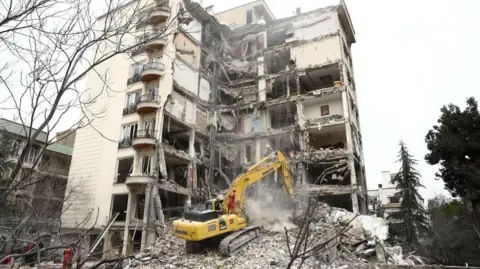
Rights groups warn that aggressive strikes on Iranian power plants could devastate civilian life amidst existing power shortages, endangering water supply systems in Iran and heightening regional tensions.
As the conflict unfolds, its implications extend far beyond the region, challenging existing global norms and potentially reshaping the future of international relations.