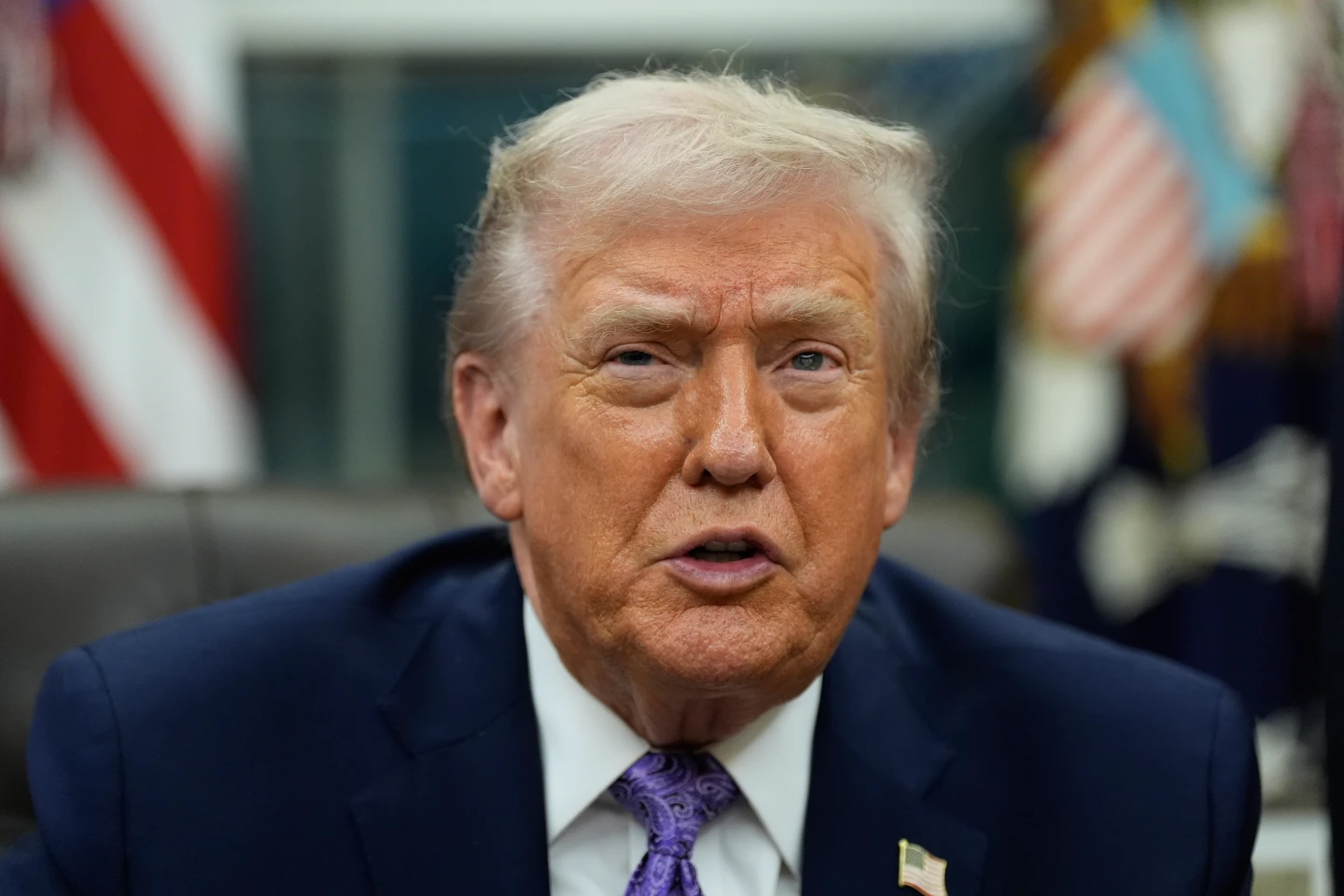
WASHINGTON (AP) — In response to President Donald Trump's repeated assertions regarding the acquisition of Greenland, Republican lawmakers are exhibiting a rare but notable level of opposition. They have begun actively voicing concerns over the implications of Trump's foreign policy choices, particularly in relation to NATO. This discontent has manifested in floor speeches, legislative proposals aimed at safeguarding Denmark from potential military threats, and diplomatic trips to Copenhagen.
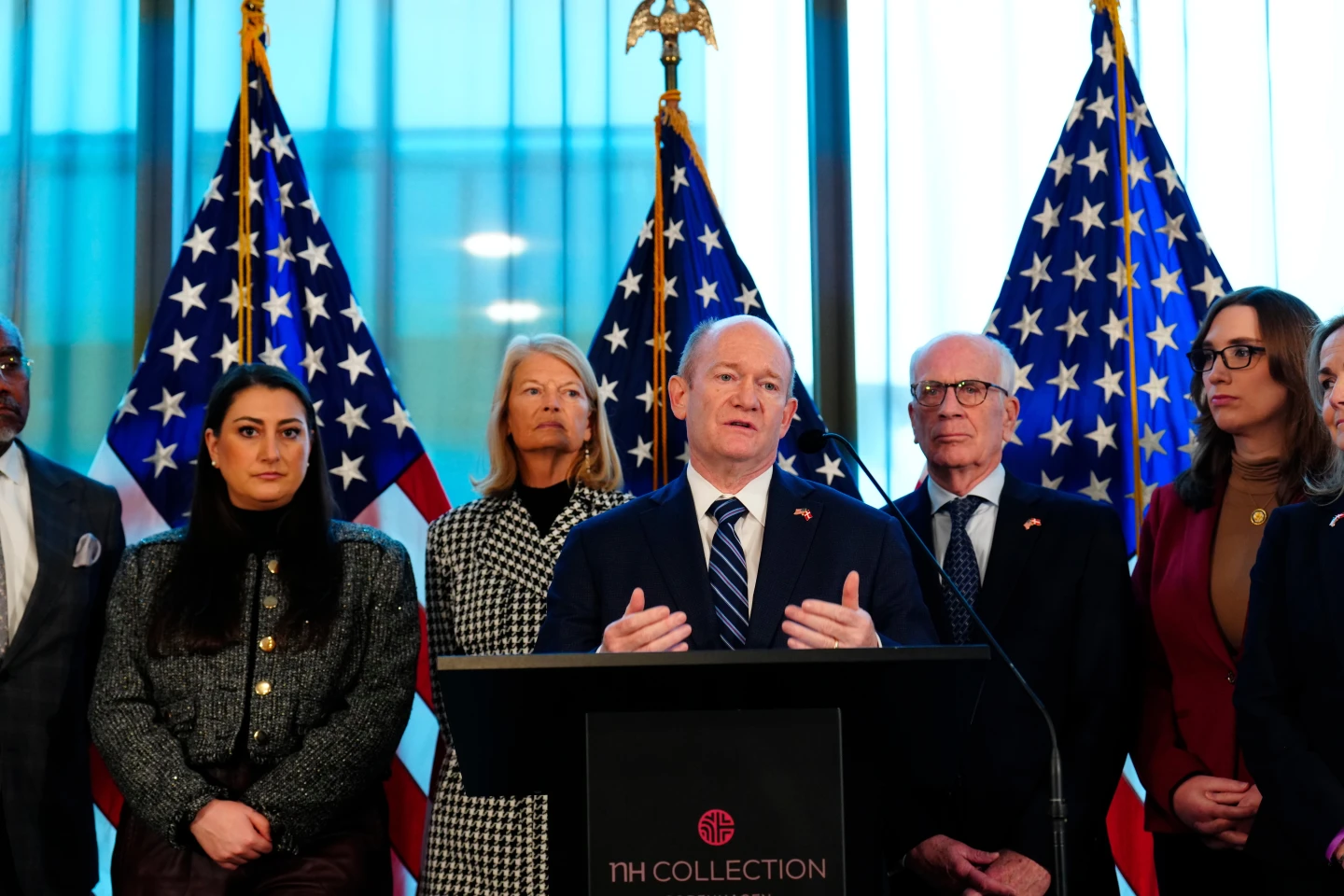
This bipartisan pushback stems from fears that Trump's aggressive stance towards Greenland could jeopardize NATO, a long-standing alliance vital for American interests globally. Senator Chris Coons, a Delaware Democrat, articulated these concerns, noting that when a powerful nation threatens your territory, it prompts serious consideration and action. Coons organized a visit to Denmark with a group of senators to alleviate tensions and discuss military cooperation.
Lawmakers are also pushing against Trump's proposed tariffs on eight European countries, which he announced as punishment for their resistance to his Greenland plans. The overarching sentiment among some Republicans is that taking Greenland would result in significant repercussions for both international relations and Trump's legacy.
While key Republicans have indicated that taking Greenland by force is unacceptable, many remain cautious about openly criticizing Trump. Legislators are exploring legal measures to prevent military action against NATO allies without congressional approval, including legislation that would restrict funding for such actions.
As the situation unfolds, Trump continues to advocate for increasing U.S. presence in Greenland, alleging threats from nations like China and Russia. However, the response from Congress reflects a growing commitment to maintain alliances and avoid actions that could undermine global diplomatic relations.
The tensions surrounding Greenland underscore a broader debate on U.S. foreign policy under Trump's administration, highlighting the complexities of military engagement and the intricacies of managing alliances in a rapidly changing geopolitical landscape.